
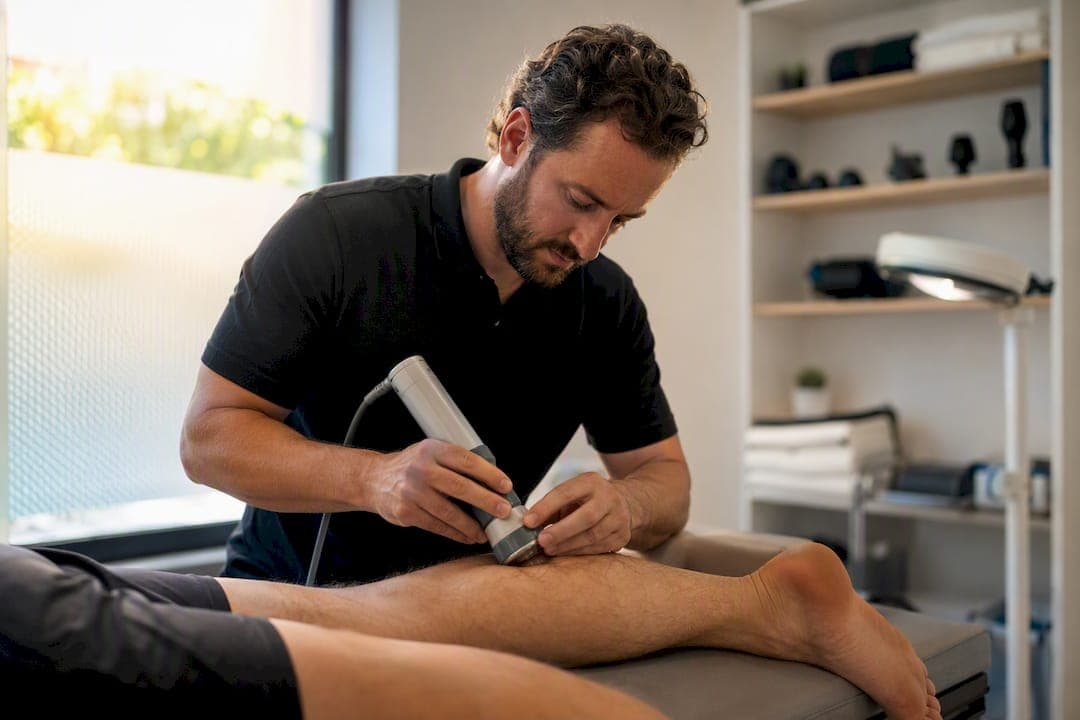
Most people pay $100 to $500 per shockwave therapy session in the United States, with a full musculoskeletal course landing between $300 and $1,800 and a full erectile dysfunction protocol running $1,800 to $6,000 or more because it requires more sessions. Most commercial insurance plans treat extracorporeal shockwave therapy as investigational and won't cover it, but HSA and FSA dollars almost always qualify.
TL;DR:
- The cost per shockwave therapy session usually ranges from $100 to $500, with full treatment courses for tendinopathies totaling $300 to $1,800.
- Erectile dysfunction protocols often require 6 to 12 sessions, pushing the total cost between $1,800 and $6,000 or more.
- Prices vary significantly depending on device type, provider setting, location, and bundling practices, with focused machines generally costing more upfront.
- Most insurance plans consider shockwave therapy investigational and typically do not cover it, but HSA and FSA funds usually qualify.
- Patients should obtain a detailed written estimate, clarify insurance coverage, and consider discounts or financing options before committing to treatment.
Table of Contents
- How Much Does Shockwave Therapy Cost Per Session and Per Course?
- Why Do Shockwave Therapy Prices Vary So Much?
- Does Insurance Cover Shockwave Therapy?
- How Do You Estimate Your Actual Out-of-Pocket Cost?
- What Are Your Payment Options if Insurance Won't Cover It?
- Is Shockwave Therapy Worth It Compared to Other Treatments?
- What to Expect When You Book Shockwave Therapy at Sparkmed
- Balancing Cost Against What Actually Gets You Better
- Get a Written Shockwave Therapy Estimate From Sparkmed
- Sources
How Much Does Shockwave Therapy Cost Per Session and Per Course?
The per-session price for extracorporeal shock wave therapy (ESWT) sits mostly in a $100 to $500 range, though the number you get quoted depends heavily on what's being treated and how the clinic bundles sessions. Plantar fasciitis and Achilles tendinopathy patients typically need three to six sessions spaced about a week apart, so the total bill for those conditions usually falls in the $300 to $1,800 range once you add consultation and imaging.
Calcific shoulder tendinopathy tends to land in a similar bracket, though stubborn cases sometimes need an extra round. Erectile dysfunction protocols are a different animal entirely. They typically call for six to twelve sessions, and university health system pricing pages show per-treatment costs often between $400 and $500 for ED specifically, which pushes a full course toward $3,000 to $6,000 for many patients.
Clinic packaging varies more than most people expect. Some hospital systems structure a single session as multiple short pulses, and one health system example shows a package priced around $550 for up to six segments in one visit, which changes how you should compare quotes across providers.
A few reference points worth keeping in mind:
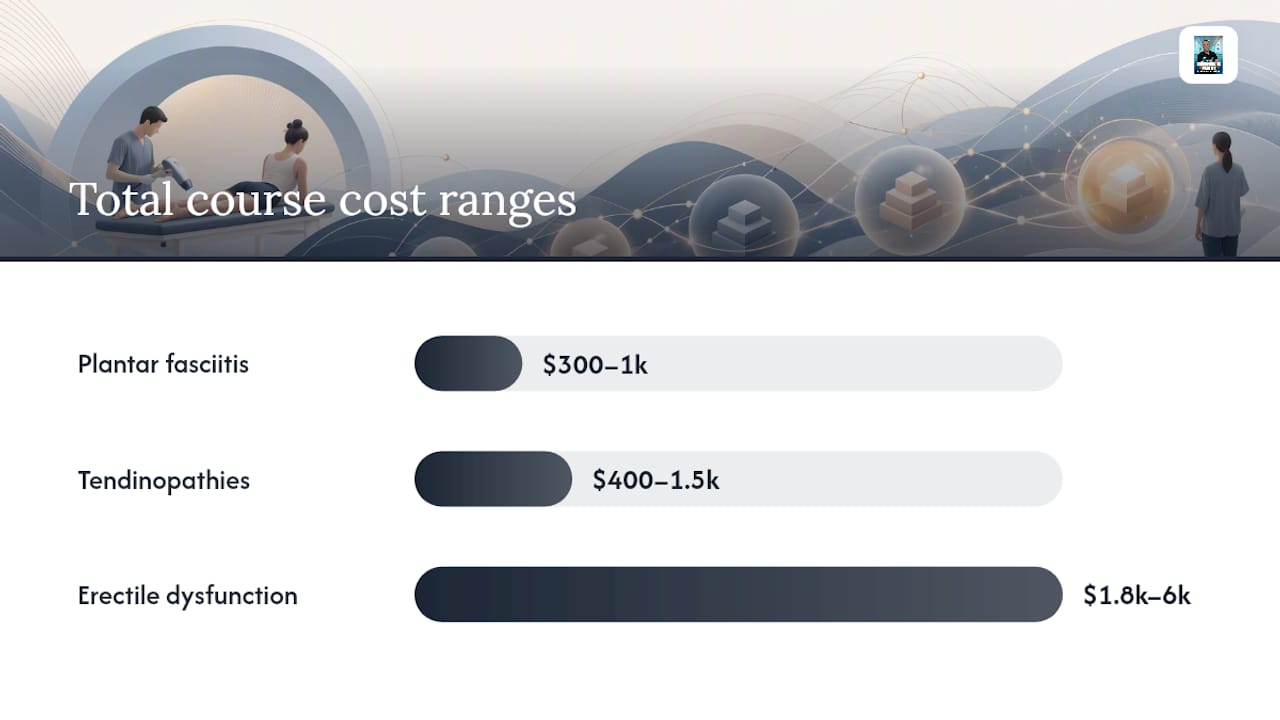
- Plantar fasciitis: 3 to 5 sessions, often $300 to $1,000 total
- Tendinopathies (Achilles, patellar, shoulder): 3 to 6 sessions, often $400 to $1,500 total
- Erectile dysfunction: 6 to 12 sessions, often $1,800 to $6,000+ total
- Discovery or first-visit pricing: sometimes discounted to assess candidacy before you commit to a package
Two clinics twenty miles apart can quote wildly different numbers for what sounds like the same treatment, and the reason usually comes down to equipment and setting, not just location.
Why Do Shockwave Therapy Prices Vary So Much?
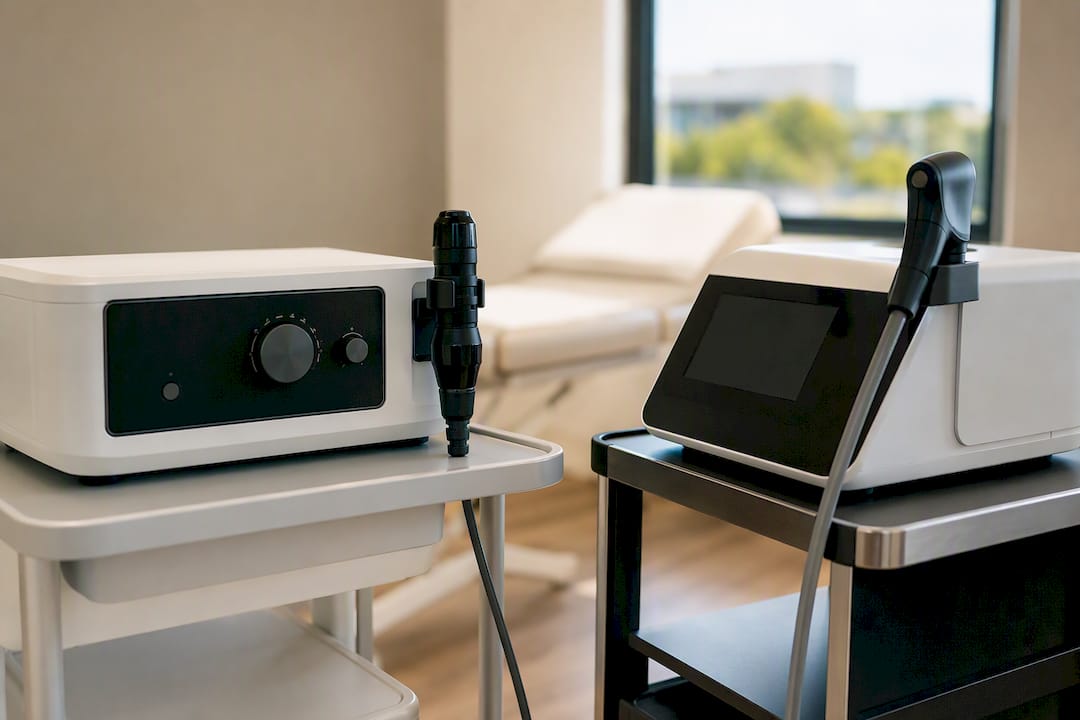
Device type is the single biggest lever on price. Radial (acoustic) devices are cheaper to buy and operate, so clinics using them often charge less per session, but they typically require more visits to get the same result. Focused ESWT machines and branded systems like SoftWave cost clinics more upfront, and that shows up in higher per-session fees, sometimes offset by needing fewer total treatments.
Who delivers the treatment matters just as much. A physical therapy or chiropractic office typically prices shockwave therapy lower than an orthopedic surgeon's practice, and both usually undercut a hospital outpatient department, which often tacks on a separate facility fee on top of the procedure charge.
A handful of other factors nudge the quote up or down:
- Bilateral treatment (both feet, both shoulders) usually costs more than a single site, though not always double
- Multiple treatment areas in one visit often get bundled at a discount
- Initial consultation and imaging fees sometimes get folded into the package, sometimes billed separately
- Local cost of living pushes prices higher in major metro areas compared to smaller markets
Pro Tip: Ask the clinic directly what device they use. A radial device marketed simply as "shockwave" isn't the same technology as focused ESWT, and knowing the difference helps you compare quotes on an apples-to-apples basis instead of just chasing the lowest number.
Does Insurance Cover Shockwave Therapy?
Most commercial insurance plans classify ESWT as investigational for many of the conditions it treats, which is insurance-speak for "not enough long-term data to justify routine coverage." That classification means a plan can deny the claim outright regardless of how well the treatment worked for you, and it's the single biggest reason patients get surprised by a bill after assuming their health insurance would kick in.
Medicare follows a similar pattern in most regions. Coverage decisions run through local coverage determinations, meaning what's covered in one state or Medicare Administrative Contractor region can differ from another, and ED-specific protocols in particular are rarely covered anywhere.
Diagnosis coding and documentation occasionally change the outcome. A claim tied to a well-supported diagnosis with a clear treatment failure history (say, six months of physical therapy that didn't resolve plantar fasciitis) sometimes gets a different response than a vague or undocumented one.
Before you book, work through this checklist:
- Ask your clinic for the exact CPT code they'll bill and the ICD-10 diagnosis code tied to your case.
- Call your insurer's member services line and ask specifically whether that CPT code is covered for that diagnosis, not just whether "shockwave therapy" is covered in general.
- Ask whether prior authorization is required and, if so, what documentation the insurer needs from your provider.
- Request the insurer's own investigational or experimental therapy policy in writing so you have it on file.
- If you're on Medicare, ask your clinic whether they've checked the local coverage determination for your region.
Our guide to maximizing insurance for chiropractic care after an accident walks through similar documentation strategies that apply here too.
How Do You Estimate Your Actual Out-of-Pocket Cost?
Turning a clinic's quoted price into what you'll actually pay takes a few extra steps most patients skip. Start by gathering three numbers: the per-session or package price, your insurance deductible status, and whether the clinic offers a self-pay discount if insurance denies the claim.
- Get the clinic's full package price in writing, including consultation and any imaging fees.
- Call your insurer using the CPT code checklist above and get a written coverage determination if possible.
- If covered, multiply the total cost by your expected coinsurance percentage after your deductible is met.
- If not covered, ask the clinic for their cash-pay or package discount rate.
- Subtract your marginal tax savings if you're paying with HSA or FSA funds.
Worked example B (self-pay with package discount): A $2,400 quoted ED protocol, clinic offers a 20% package discount for paying upfront, bringing it to $1,920, then paid with FSA funds.
Using HSA or FSA dollars effectively discounts your cost by your marginal tax rate, since that money was never taxed in the first place. On a $1,920 self-pay balance, someone in a 22% bracket effectively saves over $400 compared to paying with post-tax income.
What Are Your Payment Options if Insurance Won't Cover It?
HSA and FSA funds are the most straightforward way to soften the blow, since that money comes out pre-tax and shockwave therapy typically qualifies as an eligible medical expense. Package discounts are common too. Clinics frequently knock 10% to 30% off the per-session rate when you commit to a full course upfront rather than paying visit by visit.
Always ask for that discounted price in writing before you commit. A few more ways to bring the number down:
- Request written cash or package pricing before your first visit, not after
- Ask about a discounted discovery session to confirm you're a good candidate before buying a full package
- Look into clinic financing only if the terms are interest-free or low-interest for a short window
- File a formal appeal with your insurer if you have strong documentation of failed conservative treatment
Pro Tip: Avoid financing plans with deferred interest clauses. If you don't pay the full balance before the promotional period ends, some plans retroactively charge interest on the entire original amount, not just what's left. Our breakdown of chiropractic cost saving strategies covers several of these tactics in more depth.
Is Shockwave Therapy Worth It Compared to Other Treatments?
ESWT sits in an unusual middle spot on the cost and invasiveness spectrum. It's pricier than a cortisone injection but dramatically cheaper and less invasive than surgery, and clinical review evidence supports its use for a range of tendinopathies and plantar fasciitis specifically.
| Treatment | Typical total cost | Invasiveness | Recovery time |
|---|---|---|---|
| Physical therapy course | $500 to $1,800 | Non-invasive | Weeks to months |
| Cortisone injection | $100 to $300 | Minimally invasive | Days |
| Shockwave therapy (ESWT) | $300 to $1,800 | Non-invasive | Minimal downtime |
| PRP injection | $500 to $1,800 | Minimally invasive | Days to weeks |
| Surgery | $1,800 to $6,000+ | Invasive | Weeks to months |
If you've already tried a few months of physical therapy without lasting relief and you're trying to avoid surgery, ESWT is a reasonable next step to discuss with your provider before scheduling anything invasive.
What to Expect When You Book Shockwave Therapy at Sparkmed
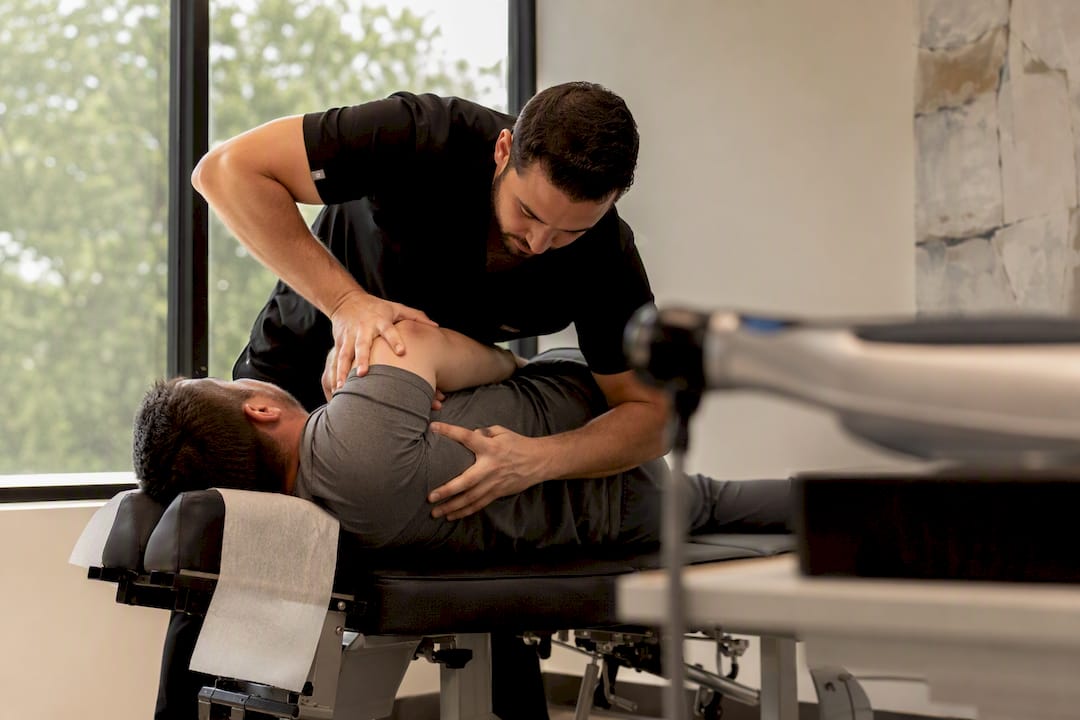
Sparkmed treats shockwave therapy as part of a broader recovery plan rather than a standalone add-on, often paired with spinal adjustments, ultrasound, and rehab work depending on what brought you in, especially after a car accident or work injury. Pricing is presented upfront in writing, following the same transparent pricing philosophy behind Sparkmed's well-known $25 no-insurance adjustment offer.
Patients without insurance coverage for ESWT can typically combine package pricing with HSA or FSA payment, and the clinic walks through documentation needs before committing to a full course. Detailed provider credentials and specific patient outcome data for shockwave therapy at Sparkmed are best confirmed directly with the North Miami office.
Balancing Cost Against What Actually Gets You Better
Shockwave therapy earns its place when conservative care has stalled and surgery feels premature. I'd rather see a patient get a written estimate and a real insurance answer before their first session than discover the bill three weeks in. Ask for both, every time, and let the numbers guide the decision instead of guessing.
— Spark
Get a Written Shockwave Therapy Estimate From Sparkmed
Sparkmed gives you a direct, local alternative to guessing at package prices online. Instead of piecing together national averages, you get a written cost estimate specific to your condition, built around the same transparent pricing model behind the clinic's $25 no-insurance adjustment offer.

A cost estimate from Sparkmed typically includes:
- A breakdown of session count and per-session pricing based on your specific condition
- Clarity on what your insurance may or may not cover, plus HSA and FSA payment options
- Package pricing alongside financing alternatives when a full course makes more financial sense
If you're trying to figure out whether shockwave therapy fits your budget, request a written estimate or book a discovery visit through Sparkmed's blog and resources to get answers specific to your situation before you commit to anything.
This article is general information, not a substitute for advice from a qualified doctor. Consult a qualified healthcare professional about your own circumstances before acting on anything here.
Sources
- PMC article on ESWT (clinical review) | PubMed Central
- How Much Does Shockwave Therapy Cost? (2026) | The RVO
- Shockwave Therapy: Erectile Dysfunction (ED) Treatment | University of Utah Health