
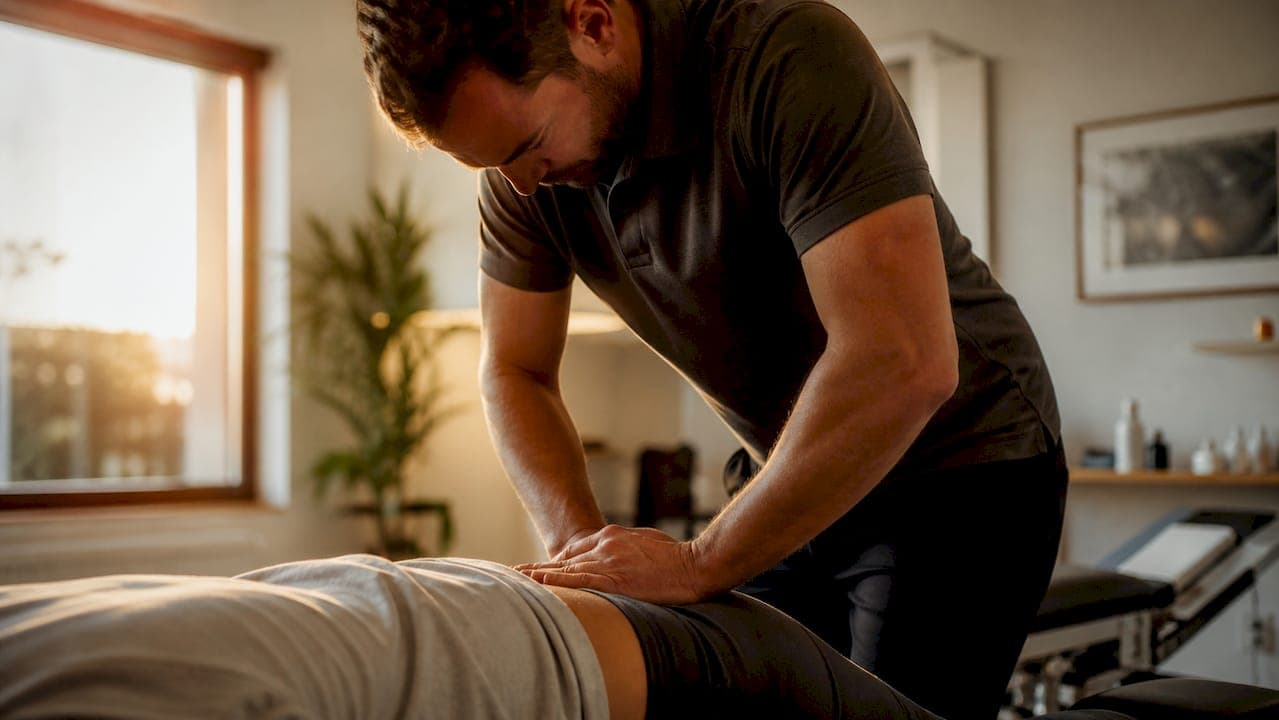
Structured non-surgical care, meaning supervised exercise, multidisciplinary rehabilitation, and targeted behavioral therapy, is the recommended first step for most non-specific back pain, according to major clinical guidelines. Injections and short-term medications can ease symptoms but don't fix the underlying problem. Get urgent care immediately if you notice progressive leg weakness, changes in bowel or bladder control, or fever alongside back pain.
TL;DR:
- Supervised, active exercise programs adjusted by a physical therapist show the best results, with noticeable improvements typically occurring within four to six weeks.
- Behavioral therapies like cognitive behavioral therapy and mindfulness are now recommended as first-line treatments for chronic back pain, especially when combined with physical activity.
- Injections such as epidural steroids are effective for short-term relief but do not reduce the likelihood of needing surgery later on and are best used as interim solutions.
- Medications like NSAIDs are helpful as short-term pain relievers but should not replace active rehabilitation, and long-term opioid use is strongly discouraged.
- Combining movement, education, and behavioral therapy produces greater benefits than single interventions, emphasizing the importance of multidisciplinary, structured care.
Table of Contents
- What The Major Back Pain Guidelines Actually Recommend
- Supervised Exercise And Physical Therapy: The Backbone Of Recovery
- When Pain Lives In The Brain As Much As The Back: Behavioral Therapies
- Spinal Manipulation And Manual Therapy: What The Evidence Actually Shows
- Injections And Procedures: Useful Bridges, Not Fixes
- Medications: A Supporting Role, Not The Main Event
- Heat, Ice, TENS, Acupuncture, And Other Adjuncts: Sorting Signal From Noise
- Matching Treatment To Diagnosis: How Clinicians Decide What You Need
- A Six To Twelve Week Roadmap You Can Actually Follow
- Why Spark Treats Conservative Care As A System, Not A Menu
- How To Start Conservative Care At Sparkmed
- Where This Evidence Comes From
- Sources
What The Major Back Pain Guidelines Actually Recommend
Clinical guidelines have converged on a consistent message over the past decade: try movement and behavior-based care before drugs, and try drugs before procedures. The American College of Physicians and comparable evidence reviews place non-drug approaches such as supervised exercise, multidisciplinary rehabilitation, spinal manipulation, and mindfulness-based therapies as first-line options for chronic non-specific low back pain. That's a real shift from a generation ago, when bed rest and muscle relaxants were the default advice.
A broad review of noninvasive treatments found that most of these options produce small-to-moderate benefits, and mostly in the short term. Exercise therapy, multidisciplinary rehab, acupuncture, and select psychological therapies had the strongest supporting evidence. None of them cure back pain outright. They reduce pain scores and improve function enough that patients can return to normal activity faster, which is the actual goal.
Why do combined programs consistently beat single-modality care? A few reasons show up across the research:
- Pain from the low back rarely has one cause, so treating it with one tool undershoots the problem.
- Programs pairing movement with education address both the physical and psychological drivers of chronic pain.
- Passive treatments alone (heat, massage, rest) tend to plateau quickly without an active component.
- Reviews on active rehabilitation note that passive-only care commonly underperforms compared to individualized, active plans.
Supervised Exercise And Physical Therapy: The Backbone Of Recovery
If one intervention deserves top billing among alternatives to back surgery, it's supervised, progressive exercise. Not stretching videos. Not a one-time handout. A program built and adjusted by a physical therapist based on how your body responds week to week.
Four approaches show up most often in the research and in clinics:
- Motor-control exercise retrains the deep stabilizing muscles around the spine, useful when pain seems tied to poor movement patterns.
- Graded activity gradually increases activity levels on a schedule, regardless of daily pain fluctuations, to break the cycle of avoidance.
- Core-strength training builds the muscular support system around the lumbar spine, often paired with the other approaches rather than used alone.
- Aerobic conditioning (walking, cycling, swimming) improves circulation and mood, and it's frequently underused despite consistent evidence of benefit.
What separates a program that works from one that doesn't is supervision and progression. A therapist who adjusts your load and range weekly gets better outcomes than a printed sheet of exercises you do unsupervised. Most patients notice measurable improvement in pain and function within four to six weeks of consistent, supervised work, though full functional recovery can take longer for chronic cases.
Pro Tip: Ask a prospective physical therapist how they'll measure your progress, not just how they'll treat your pain. If they can't name a specific functional metric, like walking distance, lifting capacity, or a sit-to-stand test, keep looking.
When Pain Lives In The Brain As Much As The Back: Behavioral Therapies
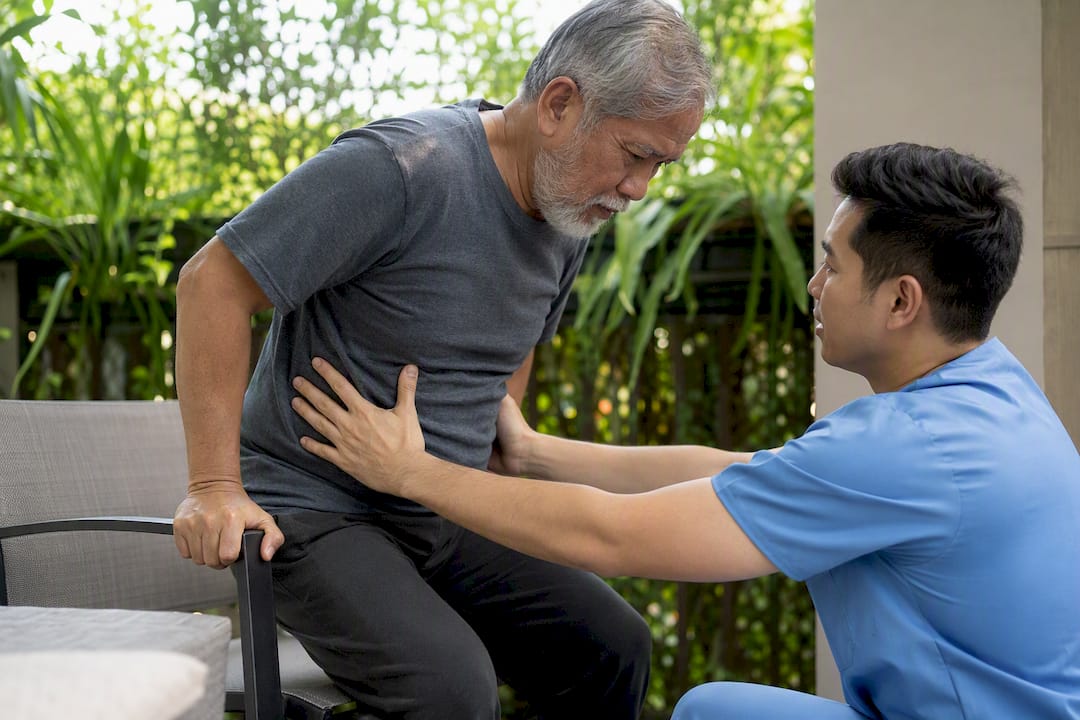
Chronic back pain rewires how the nervous system processes signals, which is why brain-focused therapies belong in a serious treatment plan, not as a last resort after "real" treatments fail.
A few distinct approaches fall under this umbrella:
- Cognitive behavioral therapy (CBT) helps patients identify and change thought patterns that amplify pain and drive avoidance behavior.
- Mindfulness-based stress reduction (MBSR) uses meditation and body awareness to change the relationship between attention and pain signals.
- Acceptance and commitment therapy (ACT) focuses on functioning well despite pain rather than eliminating it entirely.
- Pain reprocessing therapy (PRT) teaches patients that persistent pain, in many chronic cases, reflects a sensitized nervous system rather than ongoing tissue damage.
Behavioral alternatives research suggests pain reprocessing therapy can produce durable, clinically meaningful improvement in selected patients, especially when combined with an active exercise component rather than used in isolation. Guidelines increasingly list behavioral therapy as first-line care for chronic non-specific low back pain, not an add-on. A typical program runs eight to twelve structured sessions, often coordinated through the same clinician managing your physical rehab, and referral usually starts with a conversation about how pain is affecting sleep, mood, and daily function.
Spinal Manipulation And Manual Therapy: What The Evidence Actually Shows
Chiropractic adjustment and osteopathic manipulative treatment (OMT) apply controlled force to spinal joints to improve mobility and reduce pain. Manual therapy also includes soft-tissue mobilization and myofascial release, typically used alongside adjustment rather than as standalone care.
The clearest trial evidence comes from a randomized, sham-controlled study on OMT. Here's what it found:
- Patients receiving OMT showed moderate to substantial short-term improvement in chronic low back pain by 12 weeks.
- Patients receiving ultrasound therapy in the same trial showed no meaningful benefit over sham treatment.
- The effect held up under blinding, which matters, since manual therapy trials are notoriously hard to control for placebo response.
Manual therapy fits best as one piece of an active plan, not a substitute for exercise. It can reduce reliance on medication in the short term, but without concurrent strengthening or graded activity, the functional gains tend to fade. Spinal manipulation isn't appropriate for everyone. Patients with suspected fractures, severe osteoporosis, spinal infection, or progressive neurological symptoms should avoid it and pursue imaging or a surgical opinion instead. For a deeper look at how adjustments work and where the evidence stands, see this evidence guide on spinal adjustments.
Injections And Procedures: Useful Bridges, Not Fixes
Epidural steroid injections and related procedures earn a specific, limited role in non-invasive back treatments: short-term relief for radiculopathy, the sharp, shooting leg pain caused by a compressed nerve root.
What the evidence actually supports:
- Epidural steroid injections probably reduce short-term pain for lumbar radiculopathy, often enough to let a patient tolerate physical therapy they couldn't otherwise do.
- These injections do not reliably lower the odds of eventually needing surgery, so they function as bridge therapy, not a cure.
- Radiofrequency ablation and facet joint procedures can help a narrower group of patients whose pain is confirmed to originate from those specific joints.
- Effects from injections commonly last weeks to a few months, and most guidelines cap the number of injections given in a year due to diminishing returns and tissue effects.
- Risks include infection, bleeding, and temporary symptom flare, which is why these procedures are typically reserved for patients who haven't responded to several weeks of conservative care.
Think of injections as a tool that buys time for rehab to work, not a replacement for it.
Medications: A Supporting Role, Not The Main Event
Drug therapy for back pain works best as a short-term bridge that makes exercise and rehab tolerable, not as the primary treatment.
- NSAIDs (ibuprofen, naproxen) are the first-line medication choice, used at the lowest effective dose for the shortest duration needed.
- Muscle relaxants can help during acute flares but carry sedation risk and shouldn't be used long-term.
- Duloxetine and tramadol serve as second-line options for select patients with chronic pain that hasn't responded to first-line approaches.
- Opioids should be avoided for long-term back pain management whenever possible, given the well-documented risks of dependence without corresponding functional benefit.
- Anyone on any of these medications for more than a few weeks should have a clinician actively reassessing dose, side effects, and whether the medication is still earning its place.
Medication buys comfort. It doesn't rebuild strength or fix movement patterns, which is why guidelines pair it with active therapy rather than let it stand alone.
Heat, Ice, TENS, Acupuncture, And Other Adjuncts: Sorting Signal From Noise
Not every popular back pain remedy has equal evidence behind it, and knowing which ones to spend time and money on matters.
- Heat and topical agents provide reliable short-term symptomatic relief, especially for acute flares, though the effect is modest and temporary.
- Acupuncture shows moderate evidence of benefit for chronic pain in multiple trials, making it a reasonable complementary option rather than a fringe one.
- Yoga and tai chi produce similar moderate benefit for chronic low back pain, likely through a combination of gentle strengthening and stress reduction.
- TENS units and therapeutic ultrasound show inconsistent results across studies. The same OMT trial that found manual therapy effective found no benefit from ultrasound.
- Massage offers short-term relief for many patients but rarely produces lasting functional improvement on its own.
None of these replace exercise or behavioral therapy. They're reasonable add-ons when they help you stay active, and a fair way to think about them is “inconsistent, but low-risk enough to try if it helps you move more.”
Matching Treatment To Diagnosis: How Clinicians Decide What You Need
Not all back pain is the same problem, and the right treatment hinges on which category yours falls into.
- Non-specific low back pain (roughly 85% of cases) has no clear structural cause identifiable on imaging, and it responds best to the active, combined approach outlined above.
- Radicular pain involves nerve root compression, typically from a disc herniation, causing leg pain that may respond to injections plus targeted physical therapy.
- Serious underlying pathology, fracture, infection, tumor, or cauda equina syndrome, requires urgent imaging and specialist referral, not a trial of conservative care.
Red flags that should prompt immediate evaluation include progressive leg weakness, saddle numbness, loss of bowel or bladder control, unexplained weight loss, fever, or pain following significant trauma. Absent those signs, the standard approach is a structured trial of conservative care for six to twelve weeks before elective surgery even enters the conversation, a timeline supported by comparative outcomes research showing structured non-surgical rehab can match surgical outcomes for many patients.
A Six To Twelve Week Roadmap You Can Actually Follow
Evidence is only useful if it turns into a plan. Here's a practical structure to discuss with your clinician:
- Weeks 1 to 2: Stay active rather than resting. Evidence consistently shows that staying mobile beats bed rest for short-term pain and function. Begin tracking a simple 0 to 10 pain score daily.
- Weeks 2 to 4: Start supervised physical therapy with a defined functional goal, like walking distance or return to a specific activity.
- Weeks 4 to 8: If pain persists or shows a psychological component (fear of movement, catastrophic thinking), add CBT or a related behavioral therapy alongside continued PT.
- Weeks 4 to 8 (parallel track): If radicular leg pain is present and limiting your ability to do PT, discuss an epidural steroid injection as a bridge.
- Week 12: Reassess. Meaningful improvement in pain and function means continuing the current plan; minimal progress means it's time for imaging or a second opinion.
Pro Tip: Track function, not just pain. A pain score alone can mislead you, since it fluctuates daily. Function (can you sit through a meeting, carry groceries, sleep through the night) shows the real trend.
Why Spark Treats Conservative Care As A System, Not A Menu
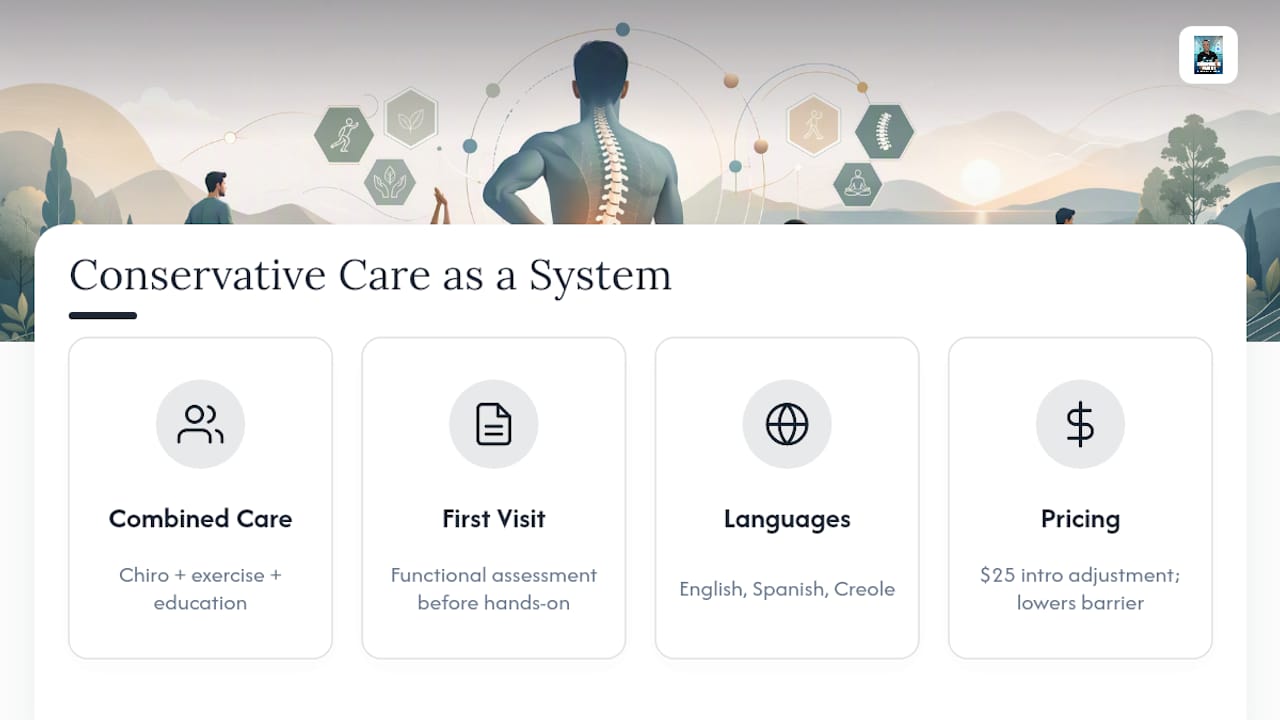
Spark's clinical model starts from the same principle the guidelines emphasize: back pain responds better to combined, active care than to any single treatment done in isolation. Our approach pairs chiropractic adjustments with exercise prescriptions, patient education, and referral to behavioral therapy when a patient's pain has a clear psychological or fear-avoidance component.
At a first visit, expect a functional assessment before any hands-on treatment, not just a quick adjustment. Care is delivered in English, Spanish, and Creole, since a treatment plan only works if a patient fully understands it. We've built our pricing, including a $25 introductory adjustment offer, around removing cost as a barrier to starting care early, which matters given how much the first few weeks influence long-term outcomes.
— Spark
How To Start Conservative Care At Sparkmed
Sparkmed treats back pain the way the research says it should be treated: as an active, coordinated program rather than a single service. Our North Miami clinic combines chiropractic adjustments, spinal decompression, shockwave and ultrasound therapy, and guided exercise progression under one roof, with multilingual support so nothing gets lost in translation between visit one and visit twelve.
Getting started is simple. Bring any prior imaging or medical records if you have them, wear clothing you can move in, and ask about the $25 chiropractic adjustment offer available to new patients without insurance. Uber Health transport is available for patients who need help getting to appointments, a detail that matters more than it sounds for anyone dealing with acute pain. If you're recovering from a car accident, work injury, or slip-and-fall, our team builds the same structured, guideline-informed plan outlined above, adjusted to your specific injury. Read through our step-by-step chiropractic treatment guide to see what a first visit actually looks like, then book your appointment to get a structured plan started this week instead of waiting for the pain to force the decision.
Where This Evidence Comes From
The clinical claims in this piece rely on guideline-level and trial-level sources: the systematic review evidence behind nonpharmacologic first-line care, the broader synthesis of noninvasive back pain treatments, the randomized OMT and ultrasound trial, and comparative outcomes data on surgical versus non-surgical care. Patient-facing guidance draws from the Mayo Clinic's treatment overview and Cochrane-level findings on staying active, both useful starting points for a conversation with your own clinician.
Sources
- Guideline / systematic-review evidence for nonpharmacologic first-line care
- Noninvasive Treatments for Low Back Pain (systematic review summary)
- Cochrane review summary in American Family Physician (2026)
- Mayo Clinic: back pain — diagnosis and treatment overview