
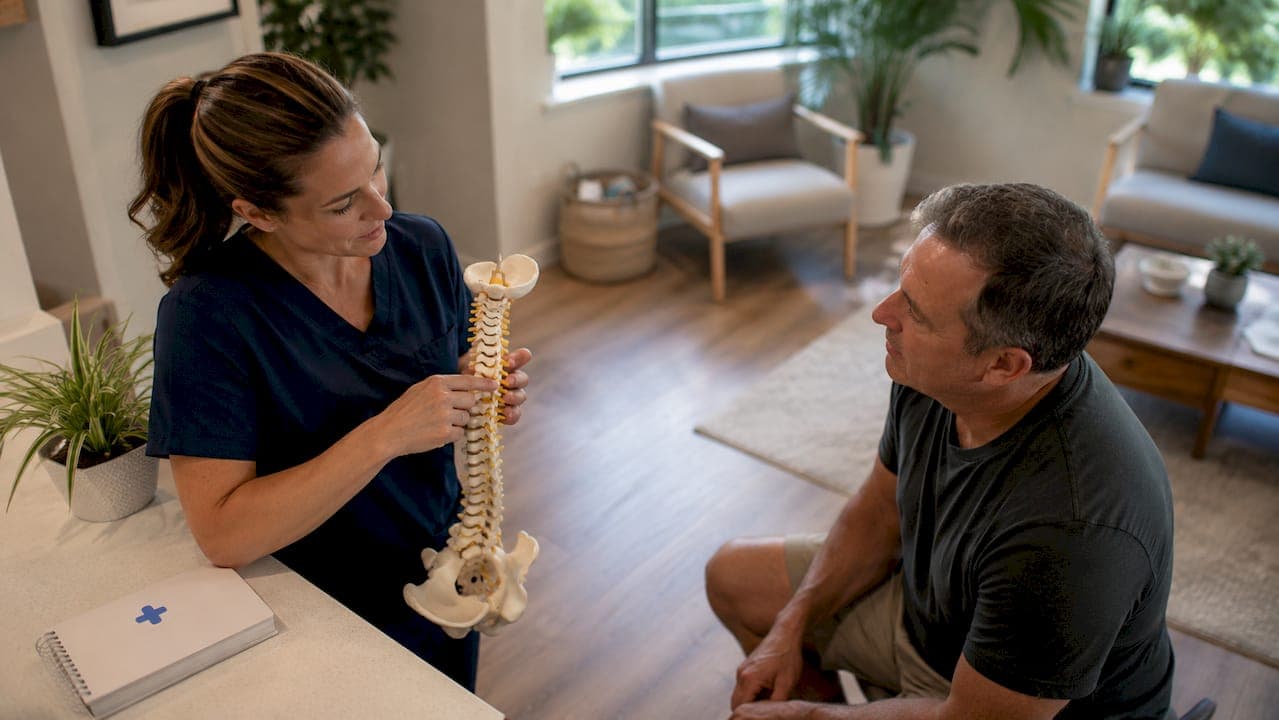
Chiropractic technique specialization refers to distinct, focused clinical methods that practitioners use to address specific musculoskeletal and neurological conditions. The Diversified Technique leads in usage, employed by 85–96% of chiropractors, while Activator Methods and Gonstead each reach 40–63% of clinicians. That spread tells you something important: chiropractic is not one-size-fits-all. Knowing the most common chiropractic technique specialization examples helps you ask better questions, choose the right practitioner, and get faster results from your care.
1. Diversified Technique: the most widely used adjustment method
The Diversified Technique is the foundation of most chiropractic practices. It uses manual, high-velocity, low-amplitude thrusts applied to the spine and extremities to restore joint motion and reduce pain. Because it addresses a wide range of musculoskeletal issues, from neck stiffness to lower back pain, it suits the broadest patient population. Practitioners trained in Diversified can adapt force and angle to each joint, making it one of the most versatile adjustment approaches in clinical use.
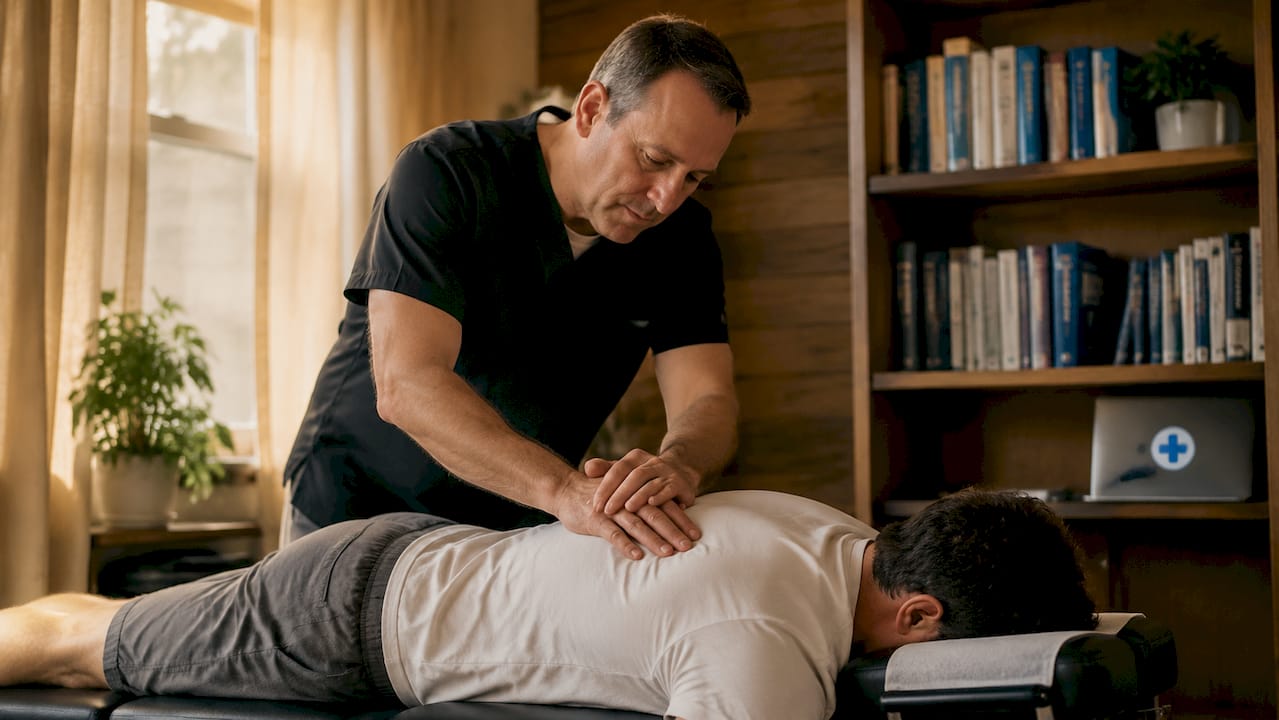
2. Activator Method: gentle, instrument-assisted care
The Activator Method uses a small spring-loaded handheld device to deliver a controlled, low-force impulse to specific spinal segments. The force is measured and consistent, which removes the variability of manual thrusts. This makes it a preferred choice for patients who are anxious about cracking sounds or who have conditions that make high-velocity manipulation uncomfortable. Low-force instruments like the Activator are also widely used for elderly patients or those with reduced bone density.
3. Gonstead Technique: biomechanical precision
The Gonstead Technique centers on a thorough biomechanical analysis before any adjustment. Practitioners use full-spine X-rays, a nervoscope for heat differential readings, and hands-on palpation to identify the exact segment causing dysfunction. Adjustments are then applied with high specificity, targeting only the problem vertebra rather than the whole spine. This level of diagnostic precision appeals to patients who want a methodical, evidence-driven approach to their care.
4. Flexion-Distraction Technique: spinal decompression for disc conditions
Flexion-Distraction is the go-to specialized method for lumbar disc herniations, sciatica, and spinal stenosis. The patient lies face-down on a segmented table that flexes and distracts the lumbar spine in a slow, rhythmic motion. This gentle traction reduces intradiscal pressure and pulls herniated material away from nerve roots. Cox Flexion-Distraction reaches roughly 58% of clinicians, reflecting how common disc-related complaints are in chiropractic practice.
Pro Tip: If you have been diagnosed with a disc herniation, ask your chiropractor specifically whether they use Flexion-Distraction. Not every clinic owns the specialized table this technique requires.
5. Atlas Orthogonal Technique: upper cervical focus
The Atlas Orthogonal Technique targets the atlas, the topmost vertebra in the cervical spine, which sits directly beneath the skull. Misalignment at this level can affect the brainstem and produce symptoms far from the neck, including headaches, dizziness, and arm numbness. Practitioners use precise imaging to calculate the exact angle of correction, then deliver a low-force percussion instrument adjustment. True specialization in this method means the clinic is built around it, with dedicated diagnostic imaging tools and a single-technique focus rather than a general menu of services.
6. Koren Specific Technique: rapid micro-impulse adjustments
The Koren Specific Technique (KST) uses an ArthroStim instrument that delivers 12–14 micro-impulses per second, avoiding the manual twisting and rotation that some patients find uncomfortable. Each impulse is low-force and targeted, making KST suitable for patients with hypermobility, post-surgical restrictions, or heightened pain sensitivity. The speed of the impulses allows the nervous system to receive the corrective signal without the body bracing against a larger manual thrust. This makes KST one of the most patient-friendly specialized chiropractic methods available.
7. Postgraduate chiropractic specializations and diplomate credentials
Beyond technique-based specialization, chiropractors can pursue formal postgraduate credentials that define their clinical focus. Diplomate programs require years of focused study, board examinations, and supervised clinical training far beyond the standard Doctor of Chiropractic degree. The most recognized credentials include:
- DACNB (Diplomate of the American Chiropractic Neurology Board): focuses on neurological rehabilitation and complex brain-based conditions.
- DABCO (Diplomate of the American Board of Chiropractic Orthopedics): covers advanced musculoskeletal diagnosis and orthopedic management.
- DACBSP (Diplomate of the American Chiropractic Board of Sports Physicians): specializes in athletic injury, performance, and return-to-sport protocols.
- DABCP (Diplomate of the American Board of Chiropractic Pediatrics): addresses the unique spinal development and adjustment needs of infants and children.
- DACN (Diplomate of the American Clinical Nutrition Board): integrates nutritional therapy with chiropractic management of chronic conditions.
Board-certified diplomates provide a clinical advantage by treating complex cases with evidence-based confidence that general practitioners cannot always match. Patients dealing with chronic neurological symptoms, pediatric spine issues, or sports injuries benefit most from seeking a diplomate-credentialed chiropractor.
8. How to match the right technique to your condition
Technique selection depends on diagnosis, not preference. A chiropractor should complete a full examination, including orthopedic and neurological testing, before recommending any method. Patients with lumbar disc pathology benefit from Flexion-Distraction. Those with upper cervical instability are better served by Atlas Orthogonal. Patients with low bone density or osteoporosis require low-force instrument-assisted methods like Activator or KST, since high-velocity thrusts carry real risk for fragile bone structure.
Matching technique precision and force to diagnostic findings underpins successful outcomes across all patient populations. Specialized clinics often use thermography and surface EMG to map nerve irritation patterns before choosing a method. This diagnostic infrastructure separates true specialization from general practice. Patients should ask whether their clinic uses these tools, because the answer reveals how deeply the practitioner has committed to a focused approach.
Pro Tip: Never pre-select a chiropractic technique before your first appointment. The right method emerges from your diagnosis, not from what you read online. A thorough exam protects you from both under-treatment and unnecessary risk.
Multi-modal approaches that combine adjustments with soft tissue therapy and active rehabilitation produce the best outcomes for chronic conditions. A single technique rarely addresses every layer of a complex musculoskeletal problem. The most effective treatment plans use a primary specialized method as the anchor, then add complementary therapies based on how the patient responds. This is especially true for patients recovering from car accidents, where multiple tissue types are often injured simultaneously.
9. Chiropractic technique comparison at a glance
The table below compares the core features of the most common specialized chiropractic methods to help you understand which conditions each one targets best.
| Technique | Adjustment style | Primary target | Best suited for |
|---|---|---|---|
| Diversified | Manual, high-velocity thrust | Full spine and extremities | Broad musculoskeletal complaints |
| Activator Method | Instrument, low-force | Specific spinal segments | Elderly, anxious, or sensitive patients |
| Gonstead | Manual, high-specificity | Single vertebral segment | Patients needing precise biomechanical correction |
| Flexion-Distraction | Table-assisted traction | Lumbar discs and nerve roots | Disc herniation, sciatica, stenosis |
| Atlas Orthogonal | Instrument, image-guided | Upper cervical spine (C1) | Headaches, dizziness, cervical instability |
| KST (ArthroStim) | Instrument, rapid micro-impulse | Full spine, low-force | Post-surgical, hypermobile, or pain-sensitive patients |
Each technique carries specific contraindications. High-velocity methods are not appropriate for patients with fragile bone density or acute fractures. Instrument-assisted methods minimize that risk. Elderly patients and those with osteoporosis should specifically request low-force options and confirm that their chiropractor has experience with that population. Sparkmed's practitioners assess each patient individually before recommending any technique, which is the standard every clinic should meet.
Key takeaways
Chiropractic technique specialization produces better outcomes than general care because it matches the method, force, and diagnostic tools to each patient's specific condition.
| Point | Details |
|---|---|
| Diversified leads in usage | Between 85% and 96% of chiropractors use Diversified, making it the most common starting point. |
| Low-force methods protect vulnerable patients | Activator and KST reduce risk for elderly patients and those with low bone density. |
| Diplomate credentials signal advanced expertise | Credentials like DACNB and DABCO require postgraduate board exams beyond the DC degree. |
| Diagnosis drives technique selection | Practitioners should complete a full exam before recommending any specialized method. |
| Multi-modal care outperforms single techniques | Combining adjustments with soft tissue therapy and rehabilitation improves chronic condition outcomes. |
What I've learned about specialization that most articles miss
Most chiropractic content treats technique names as interchangeable options on a menu. That framing misses the point entirely. A true specialist does not offer six techniques and let the patient pick. They build their practice around one primary method, invest in the diagnostic tools that support it, and develop a depth of skill that a generalist simply cannot replicate.
I've seen patients who spent months rotating through general practices without improvement. When they finally reached a practitioner who specialized in upper cervical care or Flexion-Distraction, the clinical picture changed quickly. The difference was not the technique itself. It was the practitioner's depth of knowledge and the diagnostic infrastructure behind it.
The uncomfortable truth about chiropractic specialization is that it requires patients to do more research upfront. You need to understand your diagnosis well enough to ask whether a given clinic's primary method matches your condition. That is a higher bar than most people expect from a healthcare visit. But it is the bar that separates adequate care from genuinely effective care.
Postgraduate diplomate credentials are the clearest signal of specialization depth. A DACNB or DABCO after a chiropractor's name means they passed rigorous board exams and completed years of focused training. That credential does not guarantee results, but it does confirm that the practitioner has invested in expertise beyond the minimum. For complex or chronic conditions, that investment matters.
— Spark
Chiropractic resources at Sparkmed
Choosing the right chiropractic method starts with understanding your options. Sparkmed publishes detailed educational content on chiropractic treatment types covering technique selection, injury recovery, and specialized care for patients at every stage of treatment.
Whether you are recovering from a car accident, managing chronic back pain, or exploring preventative care, Sparkmed's blog covers the clinical details that help you make informed decisions. The clinic serves patients in North Miami with experienced practitioners, modern equipment, and a $25 adjustment offer that does not require insurance. Visit Sparkmed's blog to find posts on technique differences, senior care, post-accident recovery, and more.
FAQ
What is chiropractic technique specialization?
Chiropractic technique specialization is the practice of focusing clinical training and treatment on a primary adjustment method supported by specific diagnostic tools. It differs from general chiropractic care, which typically uses multiple methods without a single focused approach.
Which chiropractic technique is most commonly used?
The Diversified Technique is the most widely used, employed by 85–96% of chiropractors. Activator Methods and Gonstead follow, each used by roughly 40–63% of clinicians.
What chiropractic techniques work best for disc herniation?
Flexion-Distraction is the most targeted method for lumbar disc herniations and sciatica. It uses gentle traction to reduce intradiscal pressure and relieve nerve root compression without high-velocity thrusts.
Are low-force chiropractic techniques safe for older patients?
Yes. Instrument-assisted methods like the Activator and KST ArthroStim are specifically recommended for elderly patients and those with low bone density. They deliver controlled, low-force impulses that avoid the risks associated with manual high-velocity manipulation.
What do chiropractic diplomate credentials mean?
Diplomate credentials such as DACNB, DABCO, and DACBSP indicate that a chiropractor has completed postgraduate board examinations and advanced clinical training in a specific specialty area beyond the standard DC degree.