
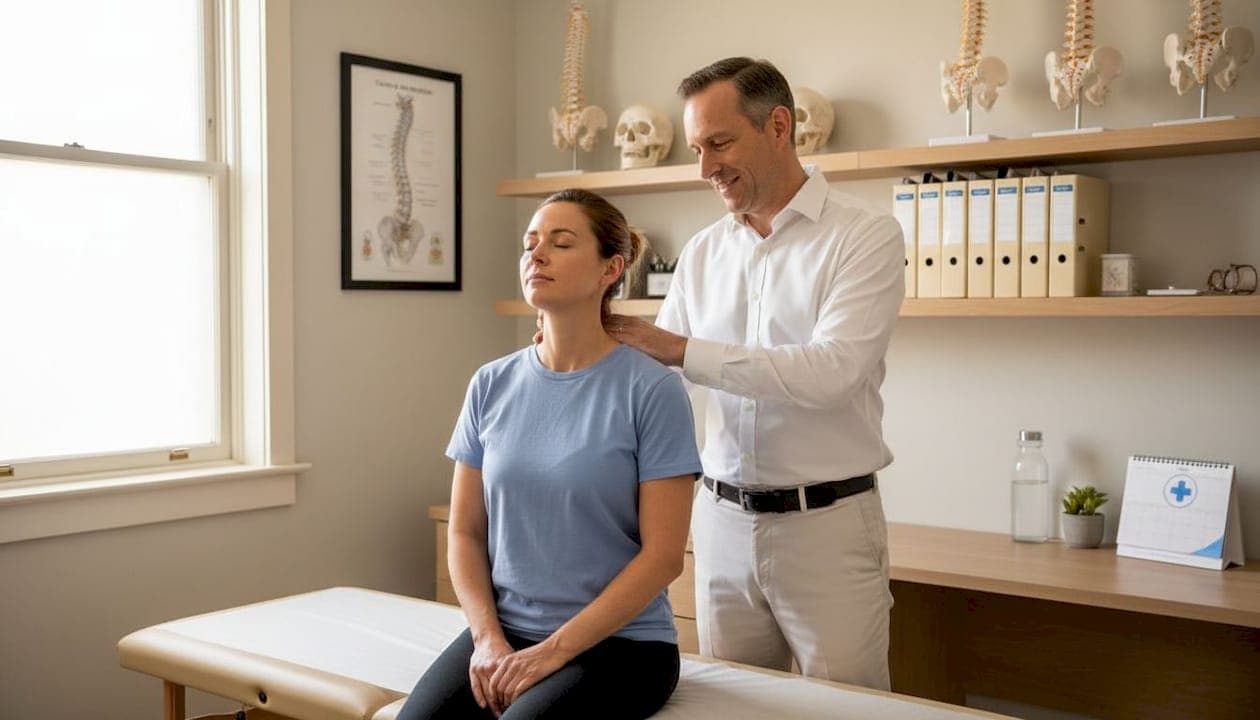
After a car accident in North Miami, the pain comes fast but the answers come slow. You're dealing with neck stiffness, back pain, and headaches while also trying to figure out which chiropractic treatment is actually worth your money and your time. The stakes are real: choose the wrong approach and you might spend months getting temporary relief without fixing the underlying problem. Choose the right one and you could recover faster, spend less, and avoid chronic pain down the road. This article breaks down the top evidence-based chiropractic techniques available today so you can make an informed decision and get back to your life.
Table of Contents
- Key criteria for choosing chiropractic techniques
- Top chiropractic techniques for post-accident recovery
- Side-by-side comparison: Techniques for affordability and effectiveness
- Matching the right technique to your recovery needs
- What most people miss when choosing chiropractic treatments
- Explore affordable accident recovery solutions in North Miami
- Frequently asked questions
Key Takeaways
| Point | Details |
|---|---|
| Evidence matters | Choosing techniques backed by clinical research gives you the best chance for effective recovery and lasting results. |
| Structural correction counts | For chronic whiplash and posture issues, CBP can offer solutions when standard care falls short. |
| Match technique to injury | Different accident injuries may require different chiropractic methods for the best outcome. |
| Affordability is achievable | Cost-effective options exist—using multimodal therapy can help minimize expenses and maximize recovery. |
| Local expertise matters | Choosing qualified North Miami practitioners familiar with accident recovery speeds up your healing process. |
Key criteria for choosing chiropractic techniques
Not every chiropractic method works equally well for every injury. Before you commit to a treatment plan, it helps to know what separates a solid option from one that just sounds good on paper.
Here are the core criteria that should guide your decision:
- Affordability and insurance coverage. After an accident, medical bills stack up quickly. Look for techniques that are covered under personal injury protection (PIP) insurance or that offer affordable self-pay options. Not every clinic will offer transparent pricing, so it is worth asking upfront.
- Effectiveness for your specific injury. Whiplash, herniated discs, and nerve compression each respond differently to various treatments. A technique that works well for general back pain may not address the specific nerve involvement from a rear-end collision.
- Specialization in accident-related trauma. General wellness chiropractic is different from post-accident rehabilitation. You want a provider who understands the mechanics of collision injuries, not just chronic tension or postural problems.
- Long-term prevention of re-injury. Some techniques focus on immediate symptom relief. Others address the structural root causes that make you vulnerable to future problems. Rehabilitative exercises and traction strengthen support muscles, restore function, and help prevent re-injury, while Chiropractic Biophysics (CBP) shows measurable structural corrections over time.
- Local provider expertise. A technique is only as good as the practitioner using it. Choosing a provider with documented experience in chiropractor injury recovery makes a real difference in outcomes.
Pro Tip: Ask any potential chiropractor directly: "Do you specialize in post-accident care?" Their answer, and how confidently they give it, tells you a lot.
The goal here is not to find the cheapest option or the flashiest treatment. It is to find the one that fits your injury, your budget, and your recovery timeline.
Top chiropractic techniques for post-accident recovery
With those criteria in mind, here are the techniques that consistently show strong results for people recovering from auto accidents.
Spinal manipulative therapy (SMT)
SMT is what most people picture when they think about chiropractic care. The chiropractor applies controlled force to specific spinal joints to restore range of motion and reduce pain. It is the most widely studied chiropractic method, and the research backs it up.
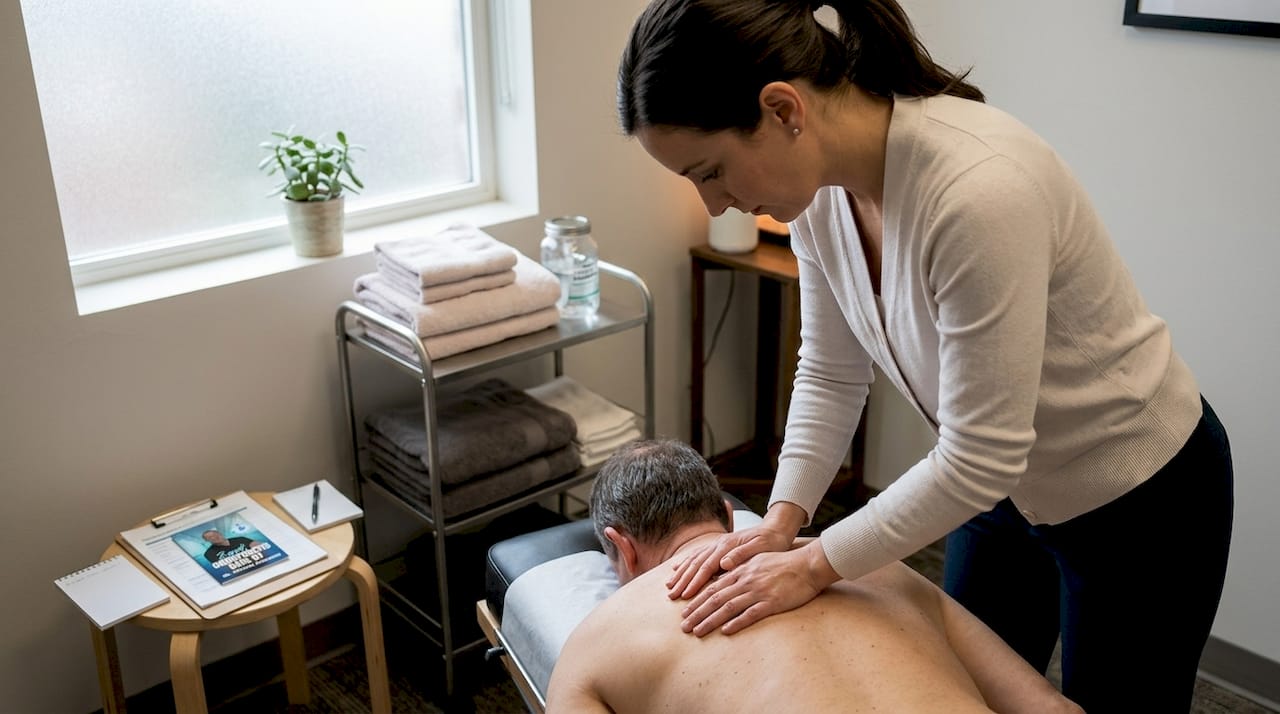
A major systematic review found that SMT reduces acute neck pain with a mean difference (MD) of negative 1.53 in pain scores and negative 6.20 in disability scores. That is a clinically significant improvement, especially in the early weeks after an accident when inflammation is at its peak. The same review recommends combining SMT with exercise for whiplash cases, calling the multimodal approach more cost-effective than exercise alone in certain scenarios.
Who benefits most: People with acute neck pain, stiffness, or mild to moderate whiplash. SMT is also among the most accessible techniques, widely covered by PIP insurance and available at most chiropractic clinics.
Limitations: SMT alone may not correct underlying structural problems, especially in chronic cases or injuries involving significant spinal misalignment.
Explore more about how chiropractic pain relief works during different stages of accident recovery.
Rehabilitative exercises and traction/spinal decompression
This approach goes beyond adjustments. Rehabilitative exercises target the muscles surrounding your spine, rebuilding their ability to support proper alignment and movement. Traction and spinal decompression gently stretch the spine to relieve pressure on compressed discs and nerves.
Together, these methods address both the structural and muscular components of post-accident injury. They are especially useful for disc injuries that generate radiating pain into the arms or legs.
Key insight: Traction and rehabilitative exercises do not just reduce symptoms. They change the underlying physiology of the injured area, which is why they are recommended for patients who want lasting results rather than temporary relief.
Who benefits most: Anyone with disc herniation, nerve compression, or moderate to severe whiplash. This approach is also excellent for patients who have already tried standard adjustments without achieving full recovery.
Chiropractic Biophysics (CBP)
CBP is a highly specialized technique that uses precise analysis of spinal X-rays to identify abnormal curvatures or misalignments. Treatment typically combines traction, mirror-image exercises, and adjustments to gradually restore normal spinal geometry.
Research shows that CBP traction corrects kyphosis (an abnormal forward curve) and improves posture in chronic whiplash patients who have not responded to standard care. This makes CBP the go-to option for resistant cases where standard SMT has plateaued.
Who benefits most: Patients with chronic whiplash, persistent forward head posture, or cases where standard chiropractic care has not produced adequate results. If you are still dealing with symptoms months after an accident, CBP may be the method that finally breaks the cycle.
Limitations: CBP requires more sessions and a higher level of provider training. Not every clinic offers it, and it may require a longer commitment to treatment.
Before your first visit, it is smart to prepare for your chiropractic visit by bringing any imaging studies and a clear description of your symptoms.
Side-by-side comparison: Techniques for affordability and effectiveness
Here is a direct comparison of the three primary techniques based on the factors that matter most after an auto accident.
| Technique | Affordability | Recovery speed | Best for | Insurance coverage |
|---|---|---|---|---|
| Spinal Manipulative Therapy (SMT) | High (lower cost per visit) | Fast for acute pain | Neck pain, whiplash, stiffness | Widely covered under PIP |
| Rehabilitative Exercises and Traction | Moderate | Moderate to long-term | Disc injuries, nerve pain, chronic pain | Often covered; varies by plan |
| Chiropractic Biophysics (CBP) | Lower (specialist pricing) | Gradual structural change | Chronic whiplash, posture correction | Partial coverage; check with provider |
A few things to note when reading this table:
- SMT offers the fastest entry point for pain reduction. The cost-effective SMT advantage over exercise-only approaches is most evident in acute care scenarios in the first four to eight weeks after injury.
- Rehabilitative exercise and traction cost more per session in some clinics but reduce the total number of visits needed by building long-term function.
- CBP is the most specialized and the most effective for structural problems, but it requires a provider specifically trained in the method. Finding that expertise locally is the first step.
Wondering if chiropractic care is a smarter choice than going straight to surgery? Check out this comparison of chiropractic vs surgery for accident recovery in North Miami. The difference in cost, recovery time, and risk is significant.
Matching the right technique to your recovery needs
There is no universal answer. The best technique for your recovery depends on the type of injury, how long you have been dealing with symptoms, and what your budget allows.
Here is a step-by-step approach to making the right call:
-
Identify your primary injury type. Whiplash and neck pain respond well to SMT combined with exercise. Disc herniations with radiating pain usually need traction and decompression. Chronic structural problems often require CBP.
-
Assess how long you have had symptoms. If you are in the first two to six weeks after the accident, SMT is often the fastest and most accessible starting point. If you are still struggling after three months, it is time to consider CBP or a combined approach.
-
Evaluate your budget and insurance. Check your PIP coverage first. Many accident victims in Florida are entitled to chiropractic benefits under their auto insurance. If you are paying out of pocket, prioritize high-value techniques like SMT that deliver measurable results at a lower per-visit cost.
-
Research provider credentials. A chiropractor who has trained specifically in CBP will list it as a specialty. Ask to see credentials and ask how many post-accident patients they treat each month. Volume matters.
-
Look for a multimodal practice. The strongest outcomes come from combining techniques. Research on traction and rehabilitative exercises shows that structural correction combined with muscle strengthening produces the most durable recoveries.
Pro Tip: If a clinic only offers one type of treatment regardless of your injury, that is a red flag. Effective post-accident care is almost never one-size-fits-all.
For local guidance, explore how to find local chiropractic care that fits your specific needs and recovery goals. You can also browse chiropractic insights for North Miami patients navigating post-accident recovery.
What most people miss when choosing chiropractic treatments
Here is something that often gets overlooked: most people pick a chiropractor based on proximity and price, get a few adjustments, feel somewhat better, and call it done. That works until six months later when the pain comes back, often worse, because the structural issue was never addressed.
The uncomfortable truth is that symptom relief and actual recovery are not the same thing. Feeling better after three SMT sessions does not mean your spine is functioning correctly. It often just means the acute inflammation has calmed down, which is the body's natural response anyway.
What separates patients who fully recover from those who cycle in and out of pain for years is structural correction. CBP traction and corrective exercises are specifically designed to address the postural deformities that persist after whiplash, even in patients who feel significantly better on standard care. The research is clear: some patients have measurable kyphosis and forward head displacement that standard SMT simply does not correct.
We see this regularly at Spark Chiropractic. A patient comes in feeling 70% better after initial treatment, thinks they are done, and then returns a year later with the same pattern of pain plus new complications. The reason is almost always that the structural problem was never fully resolved.
The lesson here is not to distrust SMT. It is a powerful, well-researched tool. The lesson is to treat the initial adjustment phase as the starting point, not the finish line. Ask your provider early on whether your treatment includes a structural assessment and a plan for long-term correction, not just pain management. If the answer is vague, push for specifics.
Choosing chiropractic care after an accident is one of the best decisions you can make for your health. Just make sure you are choosing care that goes beyond the surface.
Explore affordable accident recovery solutions in North Miami
Navigating post-accident recovery on a budget should not mean settling for less effective care. Spark Chiropractic integrates all three major evidence-based techniques covered in this article, including SMT, rehabilitative exercises, traction, and CBP, into personalized recovery plans designed specifically for accident victims in North Miami. With a $25 chiropractic adjustment option that does not require insurance, getting started has never been more accessible.
Whether you are dealing with acute whiplash, disc pain, or a chronic injury that has not responded to standard care, the team at Spark Chiropractic can match you with the right technique from day one. Browse chiropractic blog insights to learn more about your options, or call to schedule your first visit. Recovery that lasts starts with care that is built around your specific injury, not a generic protocol.
Frequently asked questions
Which chiropractic technique is best for whiplash recovery?
CBP traction combined with a multimodal approach including SMT with exercise is the strongest evidence-backed option, particularly for chronic whiplash cases that have not responded to standard care.
Are rehabilitative exercises and traction cost-effective after auto accidents?
Yes. Research shows that multimodal SMT approaches including traction are often more cost-effective than exercise alone and help strengthen muscles to prevent re-injury over time.
How do I choose a chiropractic provider in North Miami?
Look for providers who specialize in structural correction methods like CBP alongside rehabilitative exercise, and verify their track record with post-accident patients specifically in the North Miami area.
What is Chiropractic Biophysics (CBP) and how does it help after an accident?
CBP is a posture-focused, structurally precise method that uses traction and corrective exercises, and CBP corrects kyphosis and chronic postural problems in whiplash patients who have not improved with standard chiropractic treatments.