
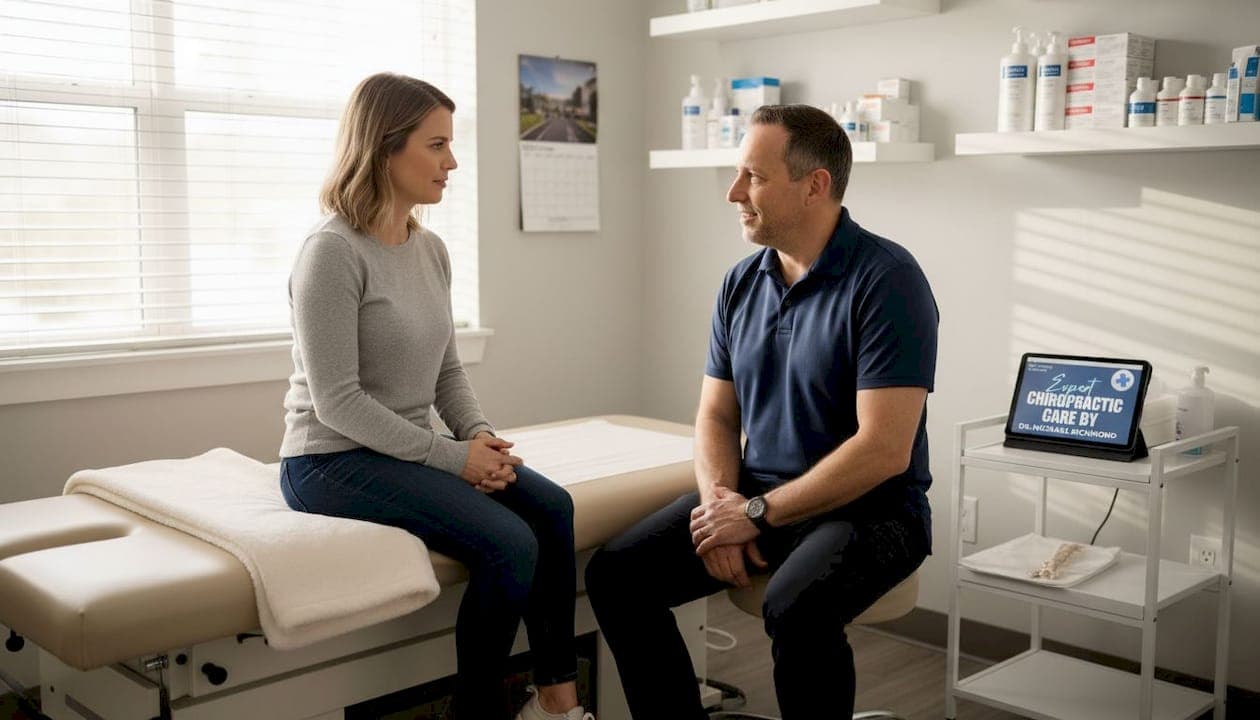
After a car accident, knowing which chiropractic steps will actually help you heal faster is genuinely confusing. The internet is full of conflicting advice, some of it outdated, some of it exaggerated, and very little of it specific to people in North Miami navigating real recovery in 2026. The good news is that current research gives us a clearer picture than ever before: certain strategies work, others are overhyped, and combining the right approaches makes all the difference. This guide cuts through the noise with evidence-backed tips, honest comparisons, and a practical recovery framework you can start using right now.
Table of Contents
- Key criteria for evaluating chiropractic care after an accident
- Top 5 evidence-based chiropractic tips for faster recovery
- How does spinal manipulation compare to other recovery methods?
- Building your personal injury recovery plan: what works best?
- What most accident recovery guides miss about chiropractic in 2026
- Accelerate your recovery with expert chiropractic guidance
- Frequently asked questions
Key Takeaways
| Point | Details |
|---|---|
| Choose evidence-based care | Look for chiropractors who use proven treatments and set clear, realistic recovery expectations. |
| Stay active for faster healing | Gentle activity and movement are more effective than strict bed rest for most accident-related injuries. |
| Combine therapies for better results | Using chiropractic together with physical therapy often leads to quicker and lasting recovery. |
| Track progress and adjust plans | Regularly reviewing your recovery plan with your provider helps maintain momentum and address new goals. |
| Set realistic expectations | Expect short-term symptom relief from spinal manipulation and long-term gains from active, ongoing rehab. |
Key criteria for evaluating chiropractic care after an accident
With the need for credible strategies established, the first step is using a smart framework to choose the right chiropractor and treatment plan. Not every clinic operates the same way, and choosing poorly can cost you both time and money during the period when your body needs the most support.
Understanding the importance of chiropractic after accidents starts with knowing what to look for. Here are the criteria that matter most when evaluating your options:
- Credentials and specialization: Look for a chiropractor who has direct experience treating auto accident injuries, not just general wellness visits. Spinal trauma from collisions behaves differently from everyday back strain.
- Patient feedback and transparency: Real patient reviews specific to accident recovery tell you far more than generic star ratings. Ask about typical timelines and realistic outcomes.
- Evidence-informed treatment philosophy: A good chiropractor explains what the research says, including the limitations of any technique.
- Willingness to coordinate care: The best practitioners refer you to physical therapists, pain specialists, or imaging when needed, rather than treating everything in isolation.
On the research side, it is important to set honest expectations from the start. Nonpharmacologic strategies like staying active can reduce pain slightly, and spinal manipulation probably does not improve function versus placebo (sham). This does not mean chiropractic is useless. It means you should approach it as one tool in a larger strategy, not a standalone cure.
"The evidence supports nonpharmacologic options as a first line of care for many back pain presentations, but patients should understand the realistic scope of what any single treatment can achieve."
The Evidence-Based Physiatry review reinforces this point: nonpharmacologic options, including spinal manipulation in certain contexts, are recommended first for many low back pain presentations. This is especially relevant in North Miami, where access to multidisciplinary care is growing and patients have real options to combine therapies effectively.
Pro Tip: During your first appointment, ask your chiropractor directly: "What does the current research say about this treatment for my type of injury?" A practitioner who gives you an honest, nuanced answer is one worth trusting.
Top 5 evidence-based chiropractic tips for faster recovery
Once you know how to evaluate your chiropractor and approach, put these five research-backed strategies into action. These are not theoretical suggestions. They reflect what current clinical evidence supports for people recovering from car accident injuries in 2026.
-
Stay active, do not rest in bed. One of the most consistent findings in back pain and injury research is that prolonged bed rest slows recovery. Gentle movement, even short walks around your North Miami neighborhood, keeps blood flowing to injured tissues, reduces stiffness, and supports nervous system health. Activity does not mean pushing through severe pain. It means avoiding the trap of complete inactivity.
-
Use heat and gentle movement as first-line therapies. Heat applied to sore muscles reduces tension and improves local circulation. Combined with gentle range-of-motion exercises, this approach is low-risk, low-cost, and supported by clinical practice guidelines. You can do this at home between chiropractic sessions to maintain progress.
-
Combine chiropractic care with physical therapy when possible. The Evidence-Based Physiatry review recommends that for chronic and post-injury low back pain, lower-harm approaches like exercise and physical therapy should take priority, with spinal manipulation considered among those options. When you combine the two, you get both the manual pain relief from chiropractic and the functional rebuilding that physical therapy provides. This pairing consistently produces better outcomes than either alone.
-
Track your symptoms and update your plan regularly. Keeping a simple log of your pain levels, mobility, sleep quality, and daily function gives your chiropractor real data to work with. If something is not improving after several sessions, that information should trigger a conversation about changing the approach. Recovery is not a straight line, and your care plan should adapt as you heal. Explore chiropractic methods after car accidents to understand what adjustments might be made at different stages.
-
Know the realistic timeline. Short-term pain relief is achievable and fairly predictable with the right care. Sustainable functional recovery, meaning returning fully to work, exercise, and daily activities without recurring pain, typically requires a longer, more active rehab process. Understanding this early prevents frustration and helps you stay committed to the full plan rather than stopping when the acute pain fades. A step-by-step chiropractic recovery approach is far more reliable than rushing the process.
Pro Tip: Set a 30-day check-in with your care team. At that point, honestly evaluate whether your function, not just your pain, has improved. Function is a stronger indicator of real recovery progress than pain scores alone.
How does spinal manipulation compare to other recovery methods?
These tips are powerful, but how do chiropractic techniques compare side-by-side with other common recovery methods? This is where the evidence gets nuanced, and where patients often get misled by marketing.
Research shows that SMT effects on pain and function tend to be short-term and relatively modest. High-quality trials show limited evidence for long-term recovery outcomes from spinal manipulation alone. That is an important finding, not a reason to avoid chiropractic, but a reason to use it strategically.
Here is how common recovery methods stack up:
| Recovery method | Pain relief (short-term) | Functional improvement | Long-term evidence | Cost (relative) |
|---|---|---|---|---|
| Spinal manipulation | Moderate | Low vs. sham | Limited | Moderate |
| Exercise and PT | Moderate to strong | Strong | Good | Low to moderate |
| Heat therapy | Moderate | Minimal alone | Weak | Very low |
| NSAIDs (medication) | Moderate | Minimal | Weak to moderate | Low |
| Combined approach | Strong | Strong | Best available | Moderate |
A few key takeaways from this comparison:
- Spinal manipulation works for pain in the short window. If acute pain from your accident is limiting your sleep or daily function, chiropractic care can provide real, meaningful relief within the first few weeks.
- Exercise and PT win on function. When your goal is returning to full activity, research favors structured rehabilitation over passive treatments.
- Combined care beats any single method. The affordable chiropractic techniques that deliver the best results are the ones embedded in a broader plan.
"Selecting your recovery approach should start with your personal goals. If short-term pain relief is urgent, manipulation has a role. If restoring function is the priority, lean harder into exercise and PT."
This framing matters because many patients arrive hoping for a technique that solves everything at once. That expectation sets them up for disappointment. Setting goals early, whether that means sleeping through the night, returning to work, or playing with your kids, helps you and your chiropractor choose the right mix of tools.
Building your personal injury recovery plan: what works best?
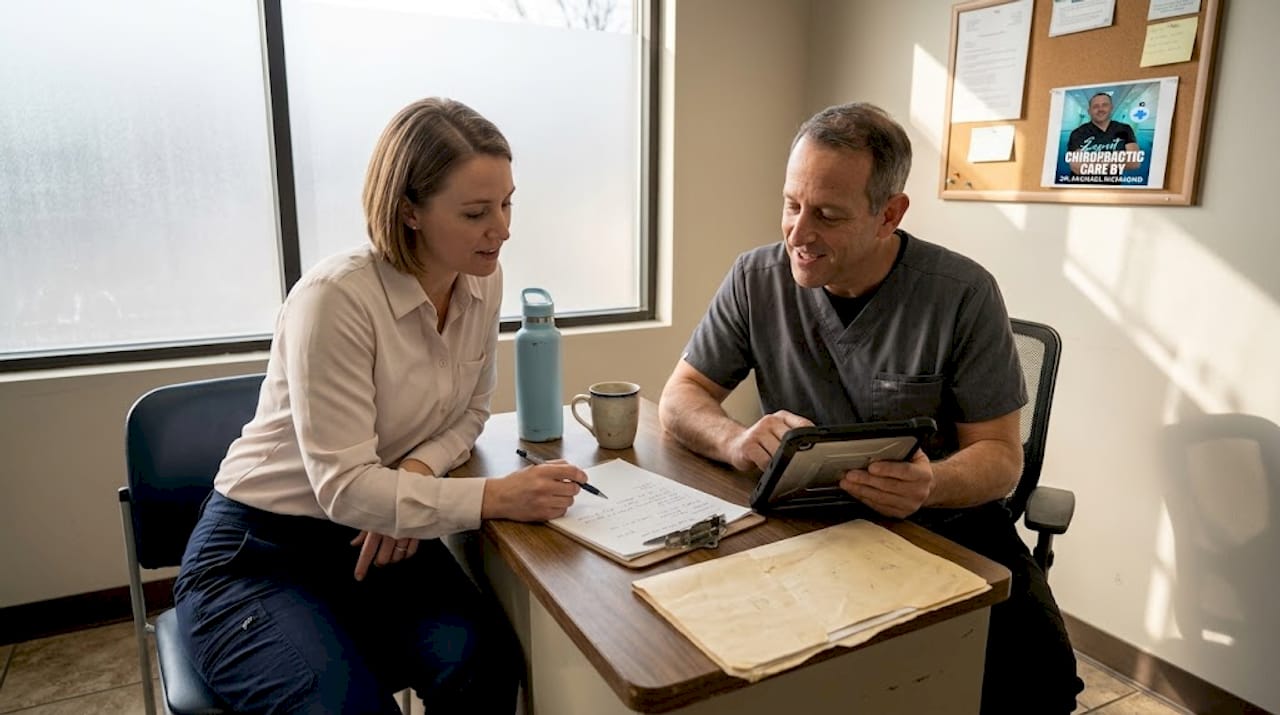
With comparative advantages clear, you can now blend the most effective strategies into a customized plan that reflects your specific injury, goals, and schedule in North Miami. Recovery is not a one-size-fits-all process, and the evidence strongly supports this view.
Multidisciplinary care consistently outperforms single-modality treatment because different approaches target different aspects of injury. Chiropractic adjustments address spinal alignment and acute nerve irritation. Physical therapy rebuilds muscular support and movement patterns. Self-care practices like heat, rest, and gentle activity maintain progress between formal sessions.
Here is a sample week-by-week recovery framework based on current evidence:
| Week | Primary focus | Interventions | Goals |
|---|---|---|---|
| 1 to 2 | Acute pain management | Chiropractic adjustments, heat, gentle walking | Reduce acute pain, assess injury scope |
| 3 to 4 | Mobility restoration | Continue adjustments, introduce PT exercises | Improve range of motion, reduce stiffness |
| 5 to 8 | Functional rebuilding | PT-led strengthening, chiropractic as needed | Return to daily activities, reduce reliance on passive care |
| 9 to 12 | Maintenance and prevention | Self-care, periodic chiropractic, continued exercise | Prevent relapse, build long-term resilience |
To build this plan effectively, follow these steps:
- Get a thorough initial evaluation that documents your specific injuries, not just general back pain.
- Set clear, measurable goals with your care team within the first week.
- Schedule regular re-evaluations, at least every two to three weeks, to assess progress.
- Adjust the intensity and type of interventions based on how your body responds, not just the calendar.
- Use chiropractic follow-up recovery appointments strategically, more frequent early on, tapering as function improves.
The right chiropractic equipment for recovery also plays a role. Modern clinics use tools like traction tables, ultrasound therapy units, and electrical stimulation devices that can accelerate tissue healing when used alongside manual adjustments. When evaluating a clinic, ask what adjunct therapies are available and how they fit into your specific plan.
One final point worth emphasizing: re-evaluation is not a sign that something went wrong. It is a sign that your care team is paying attention. The patients who recover fastest are the ones who actively participate in updating their own plan as they improve.
What most accident recovery guides miss about chiropractic in 2026
Here is the uncomfortable truth that most accident recovery content avoids: a single chiropractic session will not fix you, and expecting it to is the fastest way to stay stuck. We see this pattern repeatedly in North Miami. Patients come in after an accident, get a few adjustments, feel some relief, and stop. Then three months later, the pain is back, the stiffness never fully resolved, and they wonder what went wrong.
What went wrong is the same thing that goes wrong in most passive treatment approaches: the treatment did the work instead of the patient. The long-term chiropractic results that actually hold up over time are always tied to active participation. That means showing up for follow-ups, doing the exercises, adjusting the plan when something is not working, and committing to the rehab phase even after the sharp pain is gone.
The other thing most guides miss is the psychological component of recovery. Pain after a car accident is not just physical. Anxiety, fear of re-injury, and disrupted sleep all slow healing and amplify pain signals. A recovery plan that only addresses spinal alignment but ignores these factors is incomplete. Talk to your care team about the full picture.
The real power of chiropractic care in 2026 is not in any single maneuver or technique. It is in having an experienced practitioner guide a dynamic, responsive plan that evolves with you. That is what separates genuine recovery from temporary relief.
Accelerate your recovery with expert chiropractic guidance
If you are recovering from a car accident in North Miami, you now have a clear picture of what the evidence supports and what it does not. The next step is finding care that actually applies these principles rather than just talking about them.
At Spark Med, we specialize in accident recovery using evidence-informed chiropractic care tailored to your specific injuries and goals. Our team works with you from the initial evaluation through long-term rehab, coordinating every step of your plan. We offer chiropractic adjustments starting at $25, with no insurance required, so cost is never a barrier to getting started. Whether you speak English, Spanish, or Creole, our North Miami team is ready to support your recovery. Book your appointment today at sparkmed.net and take the first real step toward feeling like yourself again.
Frequently asked questions
How soon after a car accident should I see a chiropractor?
You should see a chiropractor within a few days of the accident to start your evaluation and avoid complications, provided you have no critical injuries requiring emergency care. Early intervention helps document injuries and prevents stiffness from setting in.
Does spinal manipulation help with long-term recovery after an accident?
Research shows spinal manipulation can help with short-term pain relief, but it does not guarantee better long-term recovery compared to other therapies. Combining it with exercise and physical therapy produces the most lasting results.
Should I combine chiropractic care with other therapies?
Research recommends combining chiropractic care with physical therapy or exercise for better outcomes after a car accident. Multidisciplinary care that targets both pain relief and functional restoration consistently outperforms any single approach.
Is staying active recommended during recovery?
Yes, staying active rather than resting in bed is supported by evidence for reducing pain and supporting recovery after a car accident. Gentle movement and short walks are a safe and effective starting point for most patients.