
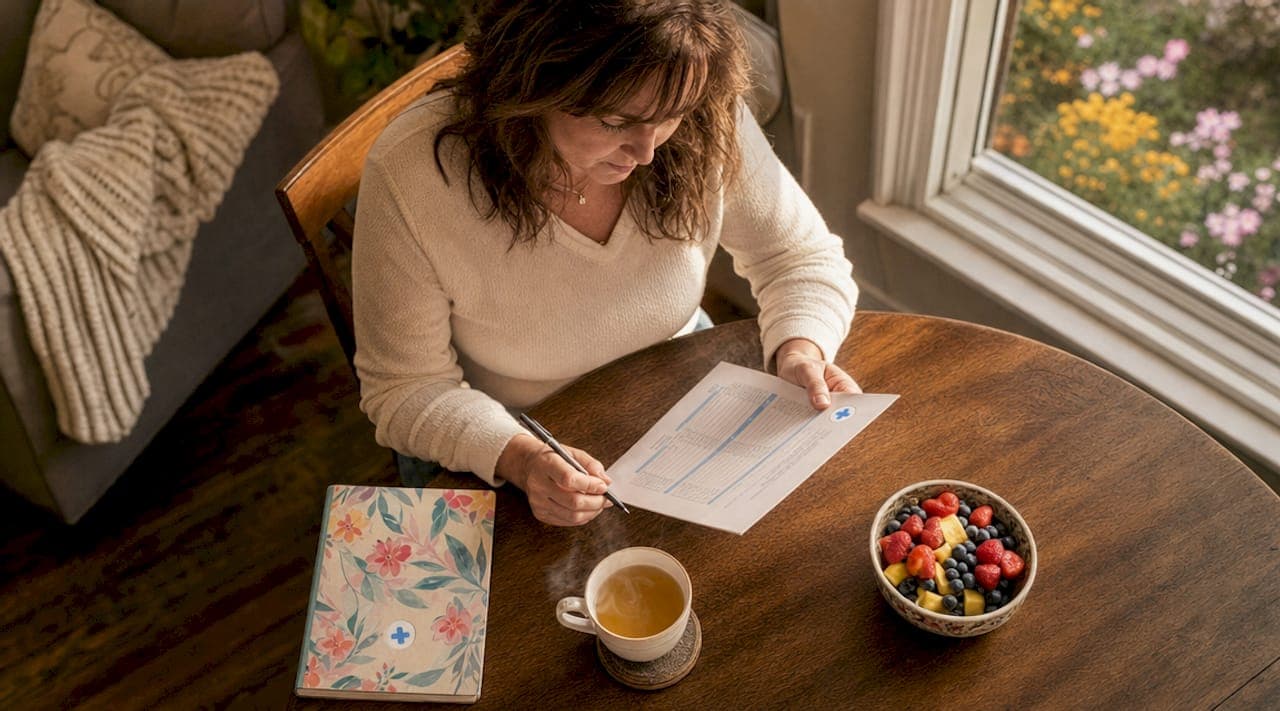
A personal wellness plan after injury is a customized recovery framework that addresses both physical rehabilitation and mental health to promote complete, sustainable healing. Most people focus only on the physical side after getting hurt, but holistic post-injury recovery requires combining physical rehab with stress management, emotional support, and structured goal-setting. Whether you are recovering from a car accident, sports injury, or workplace trauma, the process of designing a wellness routine gives you a clear path forward. This guide walks you through every step, from honest self-assessment to building daily habits that actually stick.
How to create a personal wellness plan after injury
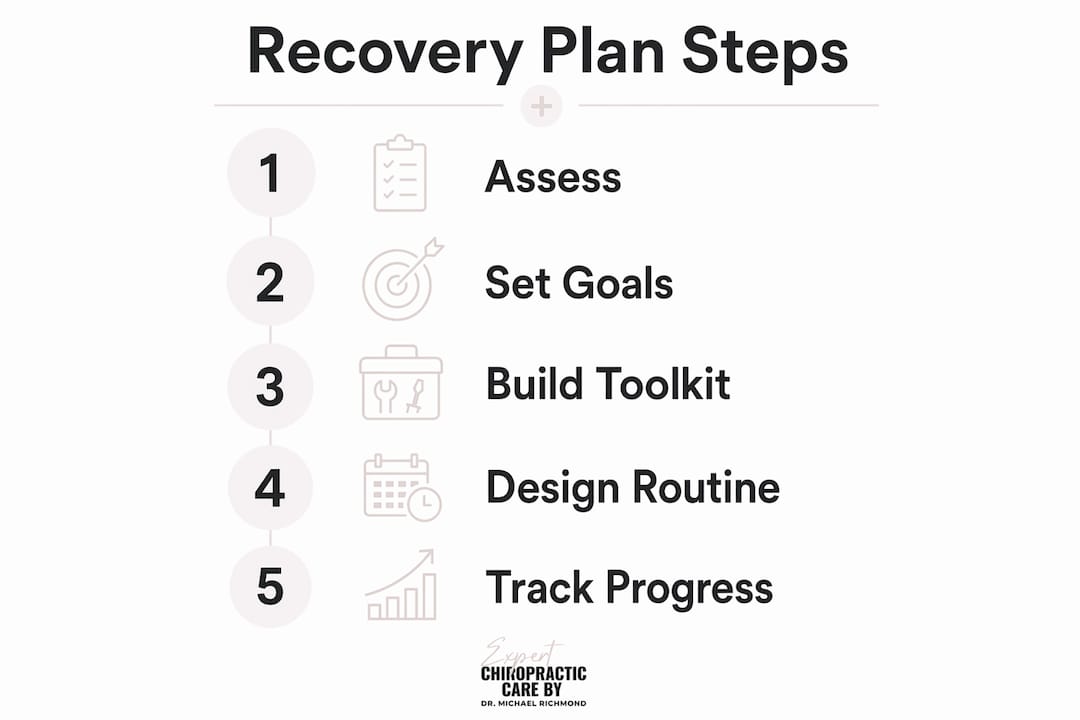
The first step in building your post-injury recovery plan is understanding where you actually stand right now, not where you were before the injury. Many people skip this step and jump straight into exercises or routines that are either too aggressive or completely misaligned with their current physical state.
Assessing your physical baseline
Start by evaluating your pain levels, range of motion, and functional limitations honestly. A physical therapy evaluation from a licensed provider gives you objective data: which movements cause pain, which muscle groups are compensating, and what your actual mobility ceiling is today. Tools like a wellness wheel, which maps physical, emotional, social, and mental dimensions on a single diagram, help you see the full picture rather than just the injured area.
Journaling is underrated here. Writing down your pain levels, sleep quality, and mood each morning takes five minutes and creates a data trail that reveals patterns you would otherwise miss. You might notice that your pain spikes on days with poor sleep, or that your anxiety increases when you skip movement entirely.
- Rate your pain on a 1 to 10 scale at the same time each day
- Note which daily activities you can perform without restriction
- Identify emotional triggers: frustration, fear of reinjury, isolation
- Track sleep duration and quality as a separate metric from pain
Pro Tip: Ask your physical therapist to give you a written summary of your functional limitations after your first evaluation. This document becomes the foundation of your entire self-care plan for injuries and gives you a measurable starting point.
How do SMART goals apply to injury recovery?
SMART goals serve as the structural backbone of any effective rehabilitation plan, turning vague intentions like "get better" into specific, trackable targets. SMART stands for Specific, Measurable, Achievable, Relevant, and Time-bound. Each component matters.
Here is how to apply SMART goals directly to injury recovery:
- Specific: Instead of "improve my shoulder," write "regain full overhead reach with my right arm."
- Measurable: Define the metric. "Walk 20 minutes without pain" is measurable. "Walk more" is not.
- Achievable: Set targets that challenge you without risking setback. Your physical therapist can help calibrate this.
- Relevant: Tie each goal to something that matters in your real life. If you need to drive to work, restoring seated posture and neck rotation is directly relevant.
- Time-bound: Assign a realistic deadline. "Achieve this within six weeks" creates urgency without pressure.
Patients succeed more when recovery goals connect to meaningful personal outcomes, not just clinical benchmarks. A goal like "return to playing with my kids in the backyard by week eight" carries far more motivational weight than "reduce pain by 30%."
Balance short-term milestones with longer-term aims. Short-term goals, achieved within one to two weeks, build momentum. Long-term goals, set at the three to six month mark, keep you oriented toward full recovery. Revisit and adjust both sets every two weeks.
Pro Tip: Write your top three recovery goals on a card and put it somewhere you see every morning. Connecting your wellness goals after injury to your daily visual environment reinforces commitment without requiring willpower.
What should you include in your wellness toolkit?
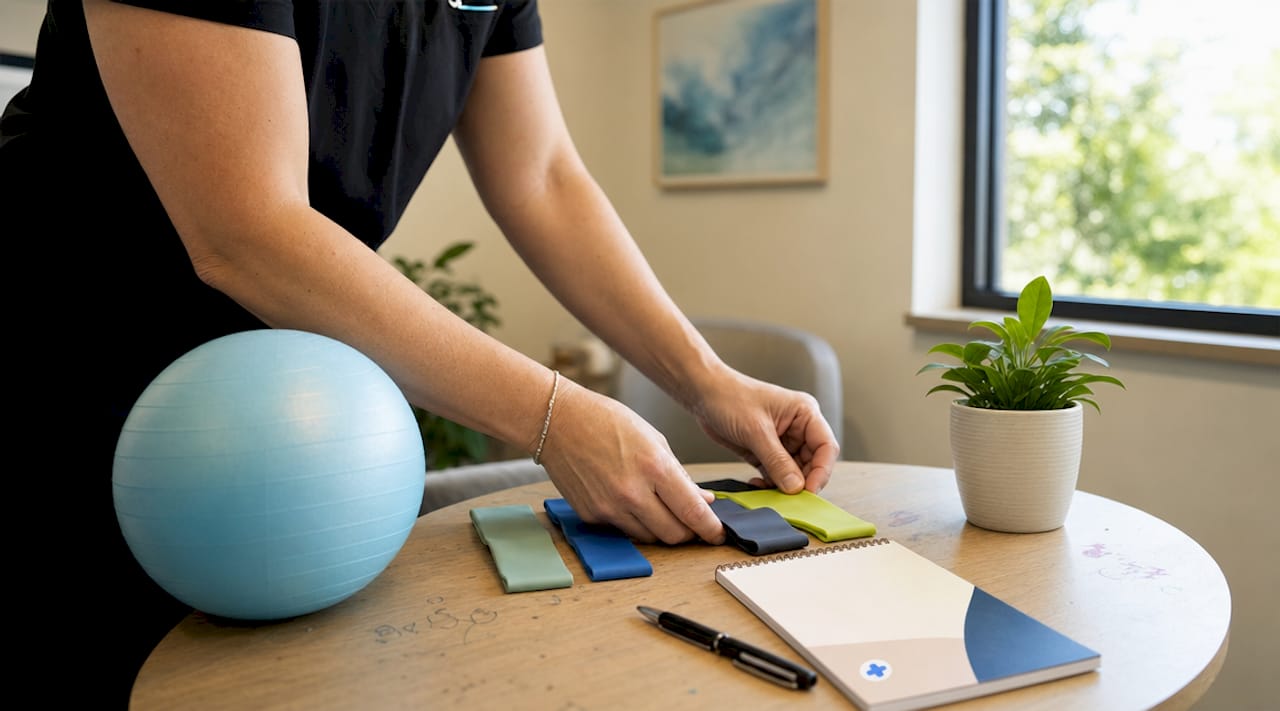
A complete wellness toolkit for injury recovery covers physical, mental, and nutritional dimensions. Treating only one area slows the others down.
Physical practices
Early, controlled movement stimulates healing and restores mobility better than complete rest. Both the National Athletic Trainers' Association and the American Physical Therapy Association recommend active recovery over prolonged immobilization. The key word is controlled: movement must be guided by a professional and calibrated to your current pain threshold. Movement-based rehab also lowers reinjury rates compared to passive or stretching-only programs, which is a critical distinction when you are designing your physical activity component.
Mental and emotional practices
Mental wellness tools belong in every post-injury recovery strategy, not as an afterthought but as a core pillar. Mindfulness apps like Headspace or Calm reduce cortisol, which directly interferes with tissue repair when chronically elevated. Journaling, as mentioned in the assessment phase, continues to serve you here by processing frustration and tracking emotional progress. Support networks, whether a counselor, a peer recovery group, or a trusted family member, provide accountability and reduce the isolation that often accompanies long recoveries.
Nutrition and rest
Nutrition rich in protein and antioxidants supports tissue repair and reduces inflammation. Specifically, vitamin C accelerates collagen synthesis, vitamin D supports bone density, and omega-3 fatty acids from sources like salmon and walnuts reduce systemic inflammation. These are not supplements to consider later. They are recovery inputs that work in parallel with physical therapy from day one.
Quality sleep enables the cellular repair processes that make all other recovery work possible. Growth hormone is released primarily during deep sleep, and sleep deprivation increases inflammation markers. Aim for seven to nine hours of uninterrupted sleep, and treat it as a non-negotiable recovery tool, not a luxury.
- Gentle exercise: walking, water therapy, or chair-based movement as cleared by your provider
- Creative outlets: drawing, music, or writing to process the emotional weight of recovery
- Stress management: diaphragmatic breathing, progressive muscle relaxation, or guided meditation
- Social connection: scheduled check-ins with friends or a support group to prevent isolation
How to design a routine that fits your real life
A wellness routine that does not fit your actual schedule will not survive past week two. Habit formation averages around 66 days, not the commonly cited 21, which means your routine needs to be sustainable for months, not just weeks. That changes how you should design it.
Start small. If your goal is daily movement, begin with ten minutes, not an hour. If your goal is journaling, begin with three sentences, not three pages. Small wins compound into durable habits. Scheduling wellness activities in a calendar, treating them like appointments rather than optional tasks, increases follow-through significantly.
Tailoring your rehab to your real-life functional demands, rather than a generic protocol, is what separates plans that work from plans that get abandoned. A construction worker recovering from a shoulder injury needs different movement progressions than an office worker with the same diagnosis. Your plan should reflect your actual daily demands.
Pro Tip: Block a 15-minute "plan review" into your calendar every two weeks. Use it to assess what is working, what feels like a burden, and what needs to change. A wellness plan that evolves with your progress is far more effective than one you follow rigidly until you quit.
Signs that your plan needs adjustment include persistent fatigue that does not resolve with rest, increasing pain during activities that previously felt manageable, and declining motivation that lasts more than a week. Any of these signals warrants a conversation with your physical therapist or chiropractor before continuing.
- Start with two to three scheduled wellness activities per week, not seven
- Anchor new habits to existing routines, such as stretching after your morning coffee
- Build in one flexible day per week where you respond to how your body feels
- Reassess your plan formally every two to four weeks
How do you track progress and prevent reinjury?
Monitoring your recovery is not optional. Tracking pain, mobility, and emotional state with journals or apps helps you adapt your plan before small setbacks become major ones.
| Monitoring method | Best used for | Limitation |
|---|---|---|
| Daily journal | Pain patterns, mood, sleep quality | Requires consistency to be useful |
| Recovery apps (like HabitBull or Bearable) | Habit tracking, symptom logging | Needs setup time and regular input |
| Physical therapist feedback | Movement quality, functional progress | Limited to scheduled appointments |
| Wearables (like Fitbit or Garmin) | Sleep, heart rate, activity levels | Does not capture pain or emotional data |
Personalizing your recovery plan to your movement patterns and lifestyle goals reduces reinjury risk more effectively than following a standard protocol. When you notice fatigue signals, such as increased soreness after previously manageable activity, treat them as data, not failure. Reduce intensity, add a rest day, and reassess. Pushing through warning signs is the single most common cause of reinjury during recovery.
Setbacks are part of every recovery. The difference between people who recover fully and those who plateau is not the absence of setbacks. It is how quickly they adjust their plan in response. A wellness plan that evolves based on progress maintains motivation and adapts to unexpected challenges for long-term success.
Key takeaways
A personal wellness plan after injury works only when it integrates physical rehabilitation, mental health practices, structured goal-setting, and a routine built around your real life.
| Point | Details |
|---|---|
| Start with honest self-assessment | Use physical therapy evaluations, wellness wheels, and daily journaling to establish your true baseline. |
| Set SMART recovery goals | Link each goal to a meaningful personal outcome and assign a realistic timeline for accountability. |
| Build a complete wellness toolkit | Combine controlled movement, nutrition, quality sleep, and mental health practices from day one. |
| Design a sustainable routine | Start small, anchor habits to existing behaviors, and schedule formal plan reviews every two weeks. |
| Monitor and adapt continuously | Track pain, mobility, and mood with journals or apps, and adjust your plan at the first sign of fatigue or setback. |
What I have learned from watching people recover
After working with injury recovery patients at Sparkmed, one pattern stands out above all others: the people who recover fastest are not the ones who push hardest. They are the ones who treat their wellness plan as a living document rather than a fixed prescription.
The most common mistake I see is treating physical rehab as the entire plan and leaving mental wellness as something to address "once I feel better physically." That sequence is backwards. Anxiety about reinjury, frustration with slow progress, and social isolation all raise cortisol levels, which directly slow tissue repair. Mental wellness is not a bonus feature of recovery. It is a biological requirement.
I also see people set goals that are technically SMART but emotionally hollow. A goal like "reduce pain score by two points in four weeks" checks all the boxes but does not get you out of bed on a hard morning. The goals that actually drive behavior are the ones tied to something you love: returning to a sport, picking up your child, or getting back to work you find meaningful. Connect your post-accident wellness recovery to those outcomes, and the discipline takes care of itself.
Patience is not passive. Choosing to rest when your body signals overload, choosing to journal instead of scroll, choosing to show up for your appointment even when progress feels invisible: those are active decisions that compound over weeks into full recovery.
— Spark
Start your recovery with Sparkmed's personalized care

Sparkmed specializes in chiropractic care and customized wellness plans designed specifically for people recovering from injuries, including car accidents and physical trauma. The clinic's practitioners in North Miami conduct thorough assessments to identify your functional limitations and build a recovery plan that fits your body and your life. From spinal adjustments to progress monitoring and step-by-step chiropractic treatment, Sparkmed provides the professional guidance that turns a wellness plan from a document into real results. Appointments are accessible and affordable, with a $25 adjustment offer available without insurance. Visit Sparkmed's accessible services to learn more and book your first assessment today.
FAQ
What is a personal wellness plan after injury?
A personal wellness plan after injury is a structured, individualized framework that combines physical rehabilitation with mental health strategies to support complete recovery. It includes goal-setting, daily habits, nutrition, sleep, and emotional support tailored to your specific injury and lifestyle.
How long does it take to build lasting recovery habits?
Habit formation averages 66 days, not the commonly cited 21, so your wellness routine needs to be sustainable for at least two to three months before it becomes automatic.
Should I rest completely or keep moving after an injury?
Early, controlled movement promotes faster healing than complete rest, according to both the National Athletic Trainers' Association and the American Physical Therapy Association. Movement must be guided by a professional and calibrated to your current pain levels.
What should I include in a post-injury wellness plan?
A complete plan includes physical therapy or chiropractic care, SMART recovery goals, nutrition focused on protein and anti-inflammatory foods, quality sleep, mental wellness practices like mindfulness or journaling, and a post-acute care framework that integrates all dimensions of recovery.
How do I know when to adjust my wellness plan?
Adjust your plan when you experience persistent fatigue that does not resolve with rest, increasing pain during previously manageable activities, or declining motivation lasting more than a week. These signals indicate your current plan needs recalibration, not that your recovery has failed.