
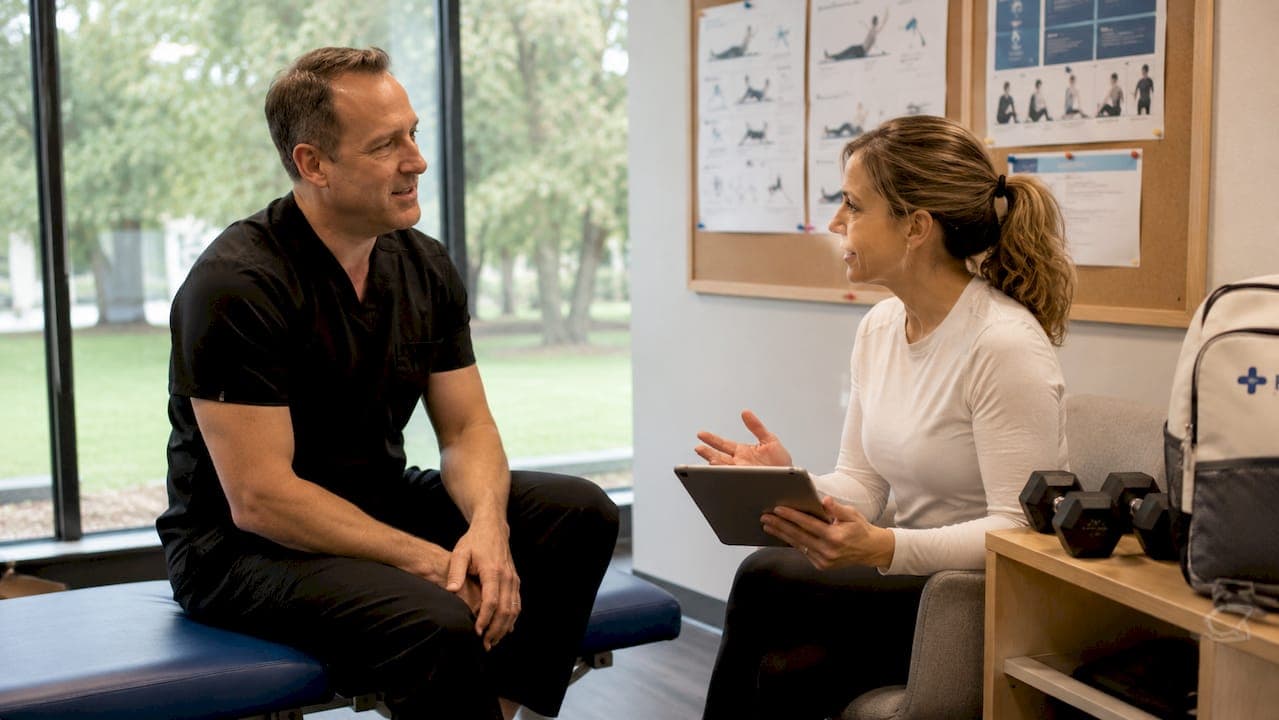
A musculoskeletal injury is defined as damage to any structure in the body's movement system, including muscles, tendons, ligaments, bones, cartilage, or joints. Understanding musculoskeletal injuries matters because these conditions affect nearly every aspect of daily movement, from walking to lifting to sitting at a desk. They range from a sprained ankle after a misstep to chronic tendon damage from years of repetitive work. Knowing what you are dealing with is the first step toward getting the right care.
What are musculoskeletal injuries and why do they happen?
Musculoskeletal injuries occur when physical forces exceed what your body's tissues can handle. This happens during two main scenarios: when a muscle or tendon is forced to lengthen under load, or when it contracts too forcefully during shortening. Both situations create stress that tears, strains, or fractures the involved structure.
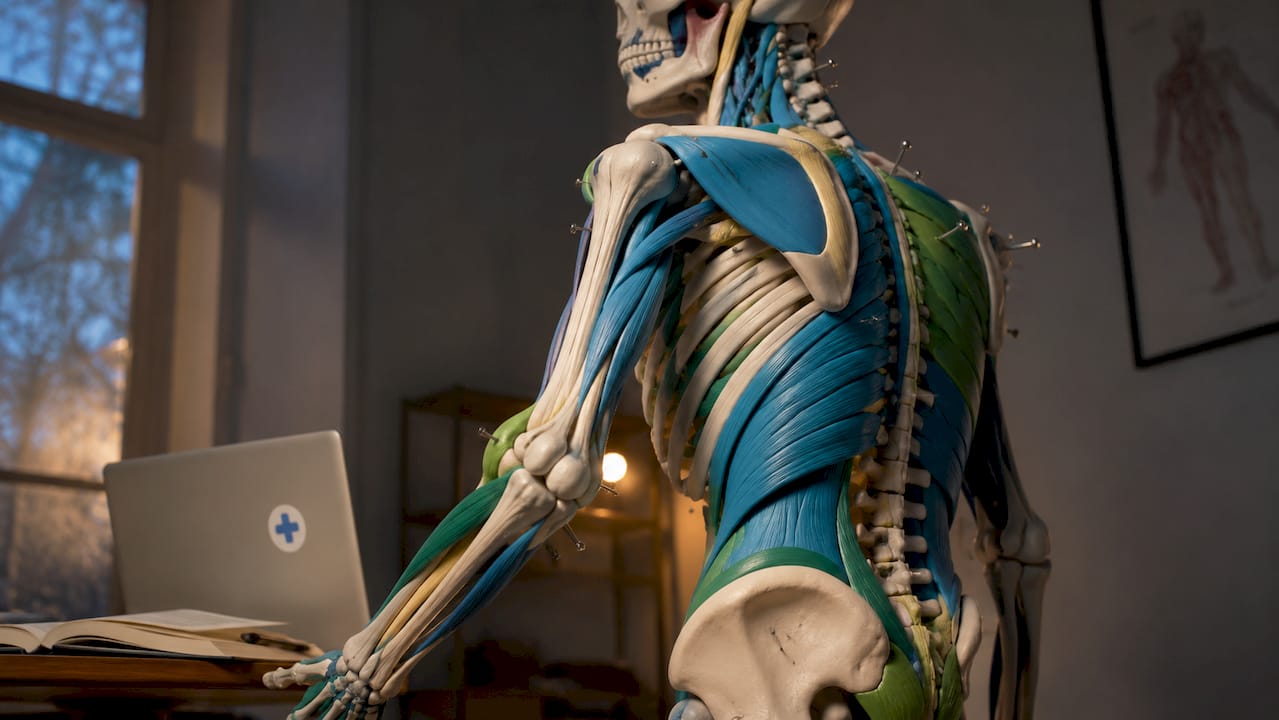
The musculoskeletal system includes every bone, muscle, tendon, ligament, and joint in your body. Its job is to produce movement and maintain stability. When any part of that system fails under load, the result is a musculoskeletal disorder (MSD). MSDs cover a wide spectrum, from a single acute injury like a broken wrist to a chronic condition like fibromyalgia.
Overexertion, bodily reaction, or repetitive motions cause 31.8 new MSD cases per 10,000 full-time workers annually, with the highest rates in transportation, warehousing, healthcare, and manufacturing. That figure shows how common these injuries are across working adults, not just athletes or accident victims.
What types of musculoskeletal injuries exist?
The major categories of muscle and joint injuries differ by the tissue involved and the mechanism of damage. Knowing the type helps you understand your symptoms and what treatment to expect.
| Injury type | Tissue affected | Common cause | Key symptoms |
|---|---|---|---|
| Sprain | Ligament | Sudden twist or impact | Swelling, bruising, joint instability |
| Strain | Muscle or tendon | Overexertion, sudden load | Pain, weakness, muscle spasm |
| Fracture | Bone | Trauma, fall, or stress | Sharp pain, deformity, inability to bear weight |
| Dislocation | Joint | High-force impact | Visible deformity, severe pain, loss of motion |
| Tendonitis | Tendon | Repetitive motion | Localized aching, stiffness, worsening with activity |
| Bursitis | Bursa (fluid sac) | Repetitive pressure or friction | Swelling, warmth, tenderness near a joint |
| Fibromyalgia | Ligaments and tendons | Unclear, likely neurological | Widespread pain, fatigue, sleep disruption |
Fibromyalgia affects up to 4% of the global population, mostly women, causing widespread pain in ligaments and tendons without directly damaging bones or muscles. That distinction matters clinically because fibromyalgia requires a different treatment approach than a structural injury like a fracture or sprain.
Each injury type produces recognizable patterns. Sprains cause joint instability and bruising because ligaments hold bones together. Strains produce muscle weakness and spasm because the contractile tissue itself is torn. Tendonitis creates a dull, persistent ache that worsens with the specific motion that caused it.
What causes musculoskeletal injuries?
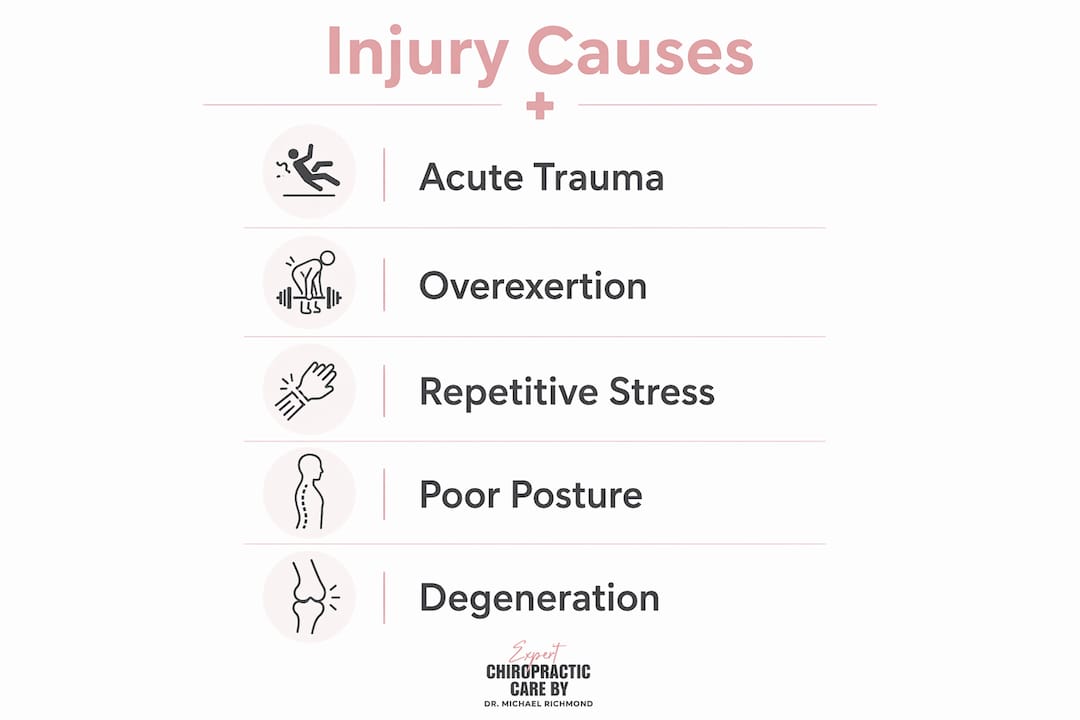
Musculoskeletal disorders arise primarily from biomechanical load involving force magnitude, duration, repetition, and poor posture, with repetitive motions and non-neutral body positions increasing risk significantly. That means the way you move, how often you move, and how long you sustain a position all determine your injury risk.
The two main injury pathways are acute trauma and repetitive strain. They are distinct in mechanism and require different clinical responses.
- Acute trauma results from a single high-force event such as a car accident, a fall, or a collision. The tissue damage is immediate and often visible.
- Repetitive strain builds gradually through thousands of low-level stresses. Workers in assembly lines, drivers, and desk workers are particularly vulnerable.
- Poor posture shifts load onto structures not designed to bear it, accelerating wear on spinal discs, hip flexors, and shoulder tendons.
- Aging reduces tissue elasticity and healing capacity. Nocturnal muscle cramps and spasms mainly affect individuals over 60 due to electrolyte imbalances and circulatory changes.
- Underlying medical conditions such as rheumatoid arthritis or osteoporosis lower the threshold at which normal activity causes injury.
Acute trauma injuries from car accidents or falls differ from work-related MSDs and require distinct clinical pathways. Acute cases prioritize immediate stabilization, while chronic repetitive injuries require long-term ergonomic correction and gradual rehabilitation.
Pro Tip: Balance activity with recovery time. Tendons and ligaments need 48–72 hours to recover from heavy loading. Skipping rest days is one of the fastest ways to turn a minor strain into a chronic injury.
For patients recovering from car accidents, posture correction after injury plays a direct role in preventing secondary musculoskeletal problems that develop from compensating for pain.
What symptoms indicate a musculoskeletal injury?
Symptoms of musculoskeletal injuries vary by tissue type, with pain descriptors including sharp tendon pain, dull bone pain, and muscle cramps. Swelling and limited mobility are the most consistent signs across all injury types. Recognizing these patterns helps you describe your condition accurately to a clinician.
Common symptoms to watch for include:
- Sharp, localized pain that worsens with specific movements, typically indicating tendon or ligament involvement
- Dull, deep aching that is hard to pinpoint, often associated with bone stress or joint inflammation
- Muscle spasms or cramps, especially at night in older adults, signaling muscle fatigue or electrolyte disruption
- Swelling and bruising around a joint or along a muscle belly, indicating bleeding from torn tissue
- Joint instability, where the joint feels loose or gives way under normal load
- Reduced range of motion, where moving a limb through its full arc produces pain or resistance
Acute injuries produce sudden, intense symptoms that are easy to connect to a specific event. Chronic conditions develop slowly, and patients often dismiss early warning signs as normal soreness. That delay is one reason repetitive strain injuries are frequently more advanced by the time they receive treatment.
Seek medical evaluation when pain does not improve within 48–72 hours, when swelling is significant, when you cannot bear weight on a limb, or when you notice visible deformity. Diagnosis typically involves a physical exam, followed by imaging such as X-ray for bone injuries or MRI for soft tissue damage.
How are musculoskeletal injuries treated and what works for recovery?
Effective recovery prioritizes protection and rest proportionate to injury severity, avoiding excessive early movement. Physical therapy and medications like NSAIDs support healing and symptom management. The goal in the first days after injury is to protect the damaged tissue from further stress, not to push through pain.
Initial management
The first priority is protecting the injured area from additional load. For soft tissue injuries, this means avoiding the activity that caused the damage and supporting the area with bracing or taping if needed. Ice reduces swelling in the first 24–48 hours. Elevation limits fluid accumulation in injured limbs.
Regular physical activity prevents many noncommunicable diseases but carries real injury risk without appropriate precautions. The key is controlled loading, not complete immobilization. Total rest for more than a few days can slow healing by reducing blood flow to the injured tissue.
Physical therapy and rehabilitation
Physical therapy is the backbone of musculoskeletal recovery. A therapist uses manual techniques, targeted exercise, and modalities like ultrasound or electrical stimulation to restore function. Manual therapy approaches reduce pain and improve joint mobility, particularly in the spine, shoulder, and knee.
Rehabilitation follows a progression: restore range of motion first, then rebuild strength, then return to full activity. Skipping steps in that sequence is a common cause of reinjury. For example, returning to running before restoring hip strength after a hamstring strain puts the same tendon at risk again.
Medications and longer-term management
NSAIDs such as ibuprofen reduce inflammation and pain in acute injuries. For chronic inflammatory conditions like rheumatoid arthritis, management often involves NSAIDs and DMARDs to slow disease progression. DMARDs (disease-modifying antirheumatic drugs) target the underlying immune response rather than just the symptoms.
For patients dealing with nonsurgical options for tendon and ligament injuries, conservative care including physical therapy, bracing, and targeted injections resolves most cases without surgery.
Pro Tip: Avoid aggressive stretching in the first 72 hours after an acute injury. Overstretching a torn ligament or muscle delays healing by disrupting the early repair process. Gentle movement is fine. Forced range of motion is not.
Early aggressive physical therapy risks recovery setbacks. Initial injury management should focus on controlled protection and avoiding stress to the injured tissue. That principle applies whether you sprained your ankle or herniated a disc.
Key Takeaways
Musculoskeletal injuries require accurate identification, appropriate rest, and structured rehabilitation to heal fully and prevent recurrence.
| Point | Details |
|---|---|
| Injury type determines treatment | Sprains, strains, fractures, and tendonitis each affect different tissues and require different care approaches. |
| Biomechanical load is the root cause | Force, repetition, duration, and poor posture combine to exceed tissue capacity and cause injury. |
| Symptoms guide diagnosis | Sharp tendon pain, dull bone aching, swelling, and joint instability each point to specific tissue damage. |
| Rest before rehab | Protecting injured tissue in the first 48–72 hours prevents setbacks and supports natural repair. |
| Structured progression prevents reinjury | Restoring range of motion before strength, and strength before full activity, is the correct rehabilitation sequence. |
What I've learned from seeing patients rush their recovery
The most common mistake I see is patients treating rest as failure. They feel guilty for not moving, so they push back into activity before the tissue is ready. That urgency almost always extends the total recovery time rather than shortening it.
The second mistake is confusing soreness with progress. Feeling pain during early rehabilitation does not mean the therapy is working. It often means the load is too high for the current stage of healing. Physiotherapy experts stress balancing exercise benefits with injury risks from overloading tendons and ligaments, and recommend adequate recovery between sessions.
What actually works is a slower, more deliberate approach. Protect the injury first. Introduce gentle movement when pain allows. Build load progressively over weeks, not days. Patients who follow that sequence consistently recover faster than those who push hard early and then stall from setbacks.
Person-centered care also matters more than most people realize. A recovery plan that fits your actual life, your work demands, your sleep, and your stress level will outperform a generic protocol every time. If you need help building that kind of plan, professional guidance from a clinician who understands your full picture is worth more than any single treatment.
— Spark
Sparkmed's approach to musculoskeletal recovery
Recovering from a musculoskeletal injury takes more than rest. It takes the right guidance at the right time.
Sparkmed specializes in chiropractic care and injury recovery in North Miami, with a particular focus on patients injured in car accidents. The clinic offers spinal adjustments, wellness plans, and treatment protocols built around your specific injury and recovery stage. Appointments are available without insurance, with adjustments starting at $25. If you are dealing with muscle, joint, or spinal pain and want a clear path forward, visit Sparkmed's resource hub to learn more about available care options and how to get started.
FAQ
What is a musculoskeletal injury?
A musculoskeletal injury is damage to any part of the body's movement system, including muscles, tendons, ligaments, bones, cartilage, or joints. These injuries range from acute trauma like fractures to chronic conditions like tendonitis.
What are the most common examples of musculoskeletal injuries?
The most common examples include sprains, strains, fractures, dislocations, tendonitis, and bursitis. Each involves a different tissue type and produces distinct symptoms such as swelling, pain, or joint instability.
How do I know if my pain is a musculoskeletal injury?
Pain that worsens with specific movements, is accompanied by swelling or bruising, or limits your range of motion strongly suggests a musculoskeletal injury. Seek medical evaluation if symptoms do not improve within 48–72 hours.
What is the fastest way to recover from a musculoskeletal injury?
The fastest recovery follows a structured sequence: protect the injury first, restore range of motion, then rebuild strength before returning to full activity. Skipping steps or pushing too hard early consistently leads to setbacks and longer total recovery times.
How can I prevent musculoskeletal injuries?
Preventing these injuries requires balancing activity with adequate rest, maintaining good posture, and avoiding repetitive motions without recovery breaks. Sports injury prevention strategies also include progressive loading and proper warm-up before physical activity.