
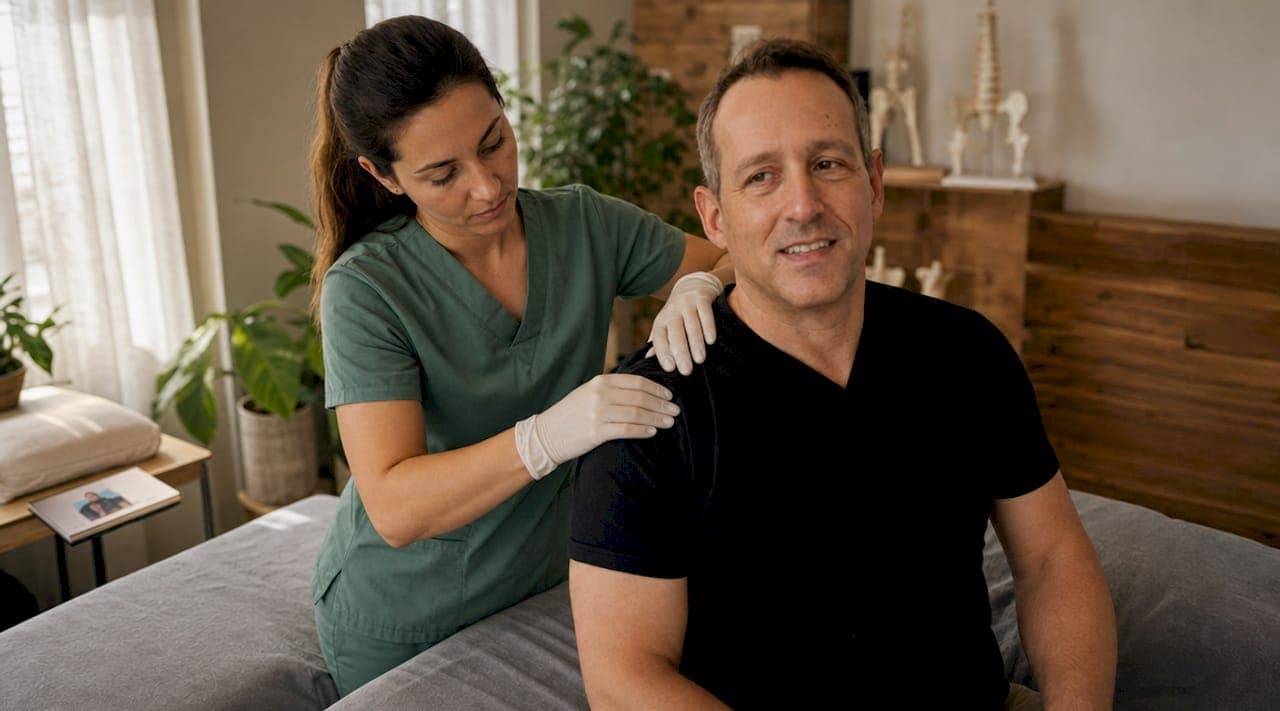
Manual therapy is defined as a hands-on clinical approach in which trained practitioners apply controlled forces to joints, muscles, and soft tissues to reduce pain and restore function. Chiropractors, osteopaths, and physical therapists all use the role of manual therapy as a core tool in treating musculoskeletal conditions ranging from chronic low back pain to post-accident injuries. The evidence shows real, measurable benefits, particularly in the short term, when manual therapy is combined with exercise and patient education. This article breaks down what the research actually says, how these techniques work inside your body, and how to use them as part of a recovery plan that lasts.
What does the evidence say about manual therapy for pain relief?
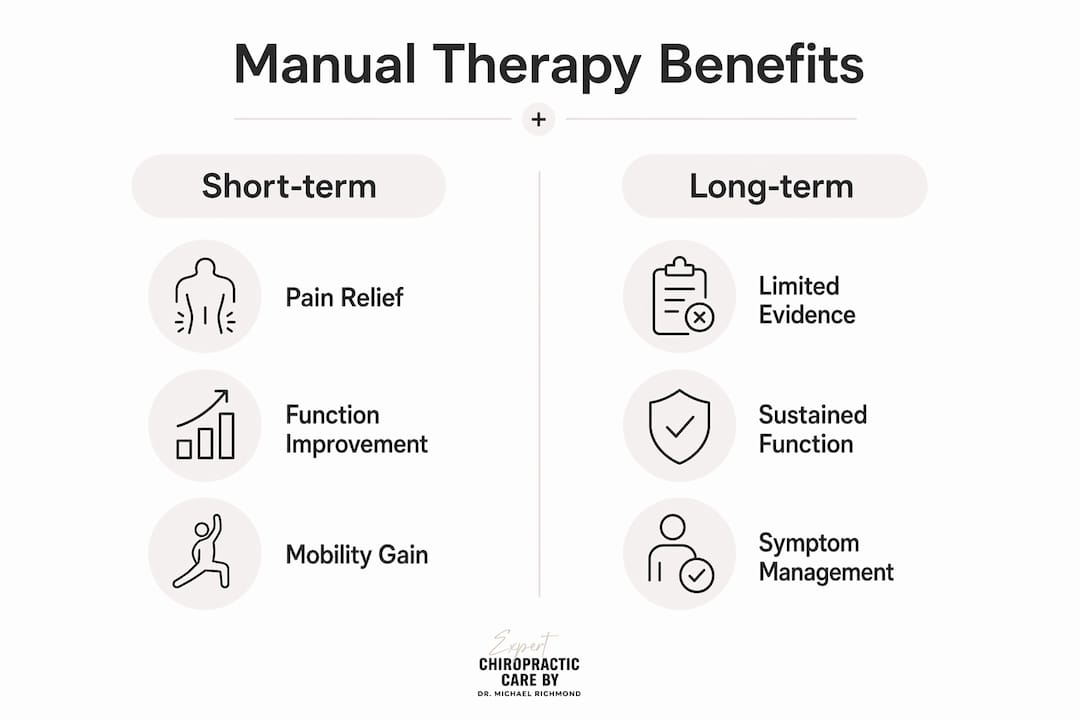
Spinal manipulative therapy (SMT) produces a small but statistically significant short-term reduction in pain and improvement in function for chronic low back pain, based on a Cochrane 2026 review of 26 randomized controlled trials involving 6,070 participants. That finding matters because it comes from one of the most rigorous evidence standards in medicine, not a single industry-funded study. The mean pain difference was −4.16 on a 100-point scale, which is modest but clinically meaningful when you are the person who cannot get out of bed in the morning.
For chronic nonspecific low back pain specifically, an umbrella review covering 21 systematic reviews and 35,711 participants found a pain reduction of −10.52 and a disability improvement of −0.60 in the short term. Manual therapy outperformed other conservative interventions at the short-term mark, though the benefits diminished over time. This tells you something important: manual therapy is not a permanent fix on its own, but it can give you a meaningful window of reduced pain to do the active work of recovery.
For neck pain, the picture is more nuanced. A Cochrane 2025 review found that manual therapy combined with exercise produced moderate improvements in function but only a small reduction in pain compared to sham treatment. Against no treatment at all, the pain reduction was large. The takeaway is that manual therapy works best when compared to doing nothing, and its advantage over other active treatments narrows considerably.
Pro Tip: Ask your practitioner to track your functional outcomes, such as how far you can walk, how long you can sit, or whether you have returned to work, not just your pain score. Functional gains are a more reliable measure of whether treatment is working.
| Condition | Evidence level | Short-term benefit | Long-term benefit |
|---|---|---|---|
| Chronic low back pain | High (Cochrane RCT) | Pain and function improved | Benefits diminish over time |
| Chronic neck pain | Moderate (Cochrane 2025) | Function improved; pain modest vs. sham | Limited data |
| General musculoskeletal pain | Low to moderate (AAFP 2026) | Supported for pain management | Requires multimodal approach |
How does manual therapy actually work inside your body?
The old explanation for why manual therapy works, that a chiropractor or osteopath "puts bones back in place," is no longer supported by current science. The Duke Center of Excellence describes manual therapy as triggering a cascade of neurological, neurovascular, immune, endocrine, neuromuscular, and neurotransmitter responses. The physical force applied to tissue is the starting point, not the whole story.
Here is what actually happens across multiple body systems when a skilled practitioner applies manual therapy:
- Pain modulation: Mechanical stimulation activates sensory receptors in joints and muscles, which signal the spinal cord and brain to reduce pain perception. This is the same gate-control mechanism that explains why rubbing a bruised knee makes it hurt less.
- Muscle activation changes: Manual therapy alters the firing patterns of muscles around a treated joint, reducing protective guarding and restoring more normal movement patterns.
- Autonomic nervous system effects: Techniques like spinal manipulation shift the body from a sympathetic (fight-or-flight) state toward a parasympathetic (rest-and-repair) state, which reduces inflammation and muscle tension.
- Neurotransmitter release: Endorphins and other pain-modulating chemicals are released during and after treatment, contributing to the relief patients feel even hours later.
"Therapeutic benefits arise not only from biomechanical changes but also from nervous system modulation and patient-clinician interaction effects." — Duke Center of Excellence for Manual and Manipulative Therapy
Patient-specific factors also shape the response. Your age, pain sensitivity, psychological state, and even your expectations of treatment all influence how much benefit you get. This is why two people with identical MRI findings can respond very differently to the same technique.
What are the main manual therapy techniques and how do they differ?
Manual therapy is not a single technique. It is a category of hands-on interventions, each with a different mechanism and best-fit application. Clinical outcomes depend on the specific technique used, the dose and frequency, and how well the approach matches the individual patient's condition.
| Technique | What it involves | Best suited for |
|---|---|---|
| Spinal manipulation | High-velocity, low-amplitude thrust to a joint | Acute and chronic low back pain, neck stiffness |
| Joint mobilization | Slow, graded oscillatory movement within joint range | Stiff joints, post-surgical recovery, older adults |
| Myofascial release | Sustained pressure on connective tissue restrictions | Muscle tension, fibromyalgia, post-injury tightness |
| Therapeutic massage | Rhythmic soft tissue compression and kneading | Muscle soreness, circulation, relaxation |
| Neuromeningeal techniques | Gentle mobilization of neural tissue along nerve pathways | Sciatica, nerve-related arm or leg pain |
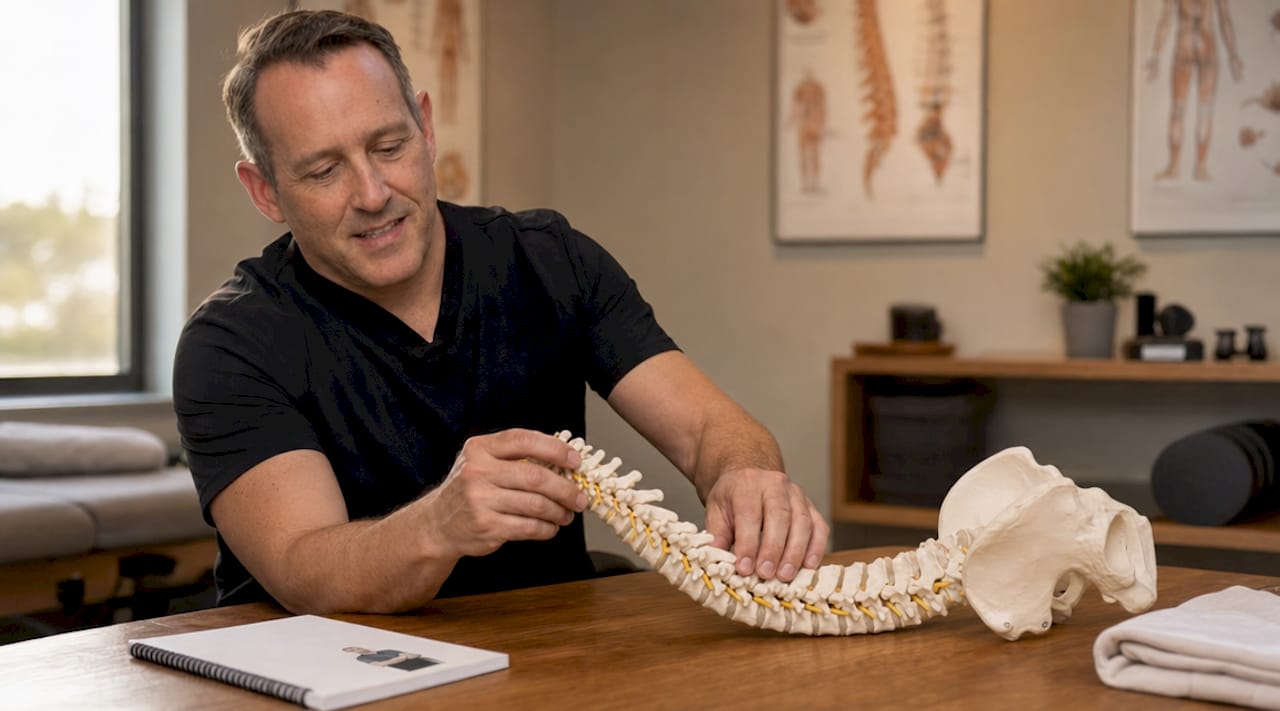
Spinal manipulation, the technique most associated with chiropractic care, delivers a quick controlled thrust that produces the audible "pop" most patients recognize. That sound is gas releasing from the joint capsule, not bones moving. Mobilization, by contrast, uses slower repetitive movements and is often preferred for patients who are post-surgical, elderly, or sensitive to high-velocity techniques.
Myofascial release targets the connective tissue layer that wraps around muscles. It is particularly useful after car accident injuries, where soft tissue trauma creates widespread tightness that resists standard joint-focused techniques. If you want a deeper look at how chiropractic massage fits into accident recovery, the overlap between soft tissue work and spinal care is significant.
Pro Tip: If a practitioner applies only one technique every visit without reassessing your response, that is a red flag. Effective manual therapy adjusts the technique, force, and frequency based on how your body responds week to week.
How to integrate manual therapy into a rehabilitation plan
Manual therapy works best as a starting point, not a destination. The most durable improvements occur when hands-on treatment is combined with exercises targeting strength and mobility, per contemporary rehabilitation guidelines. Treating manual therapy as a standalone solution is the most common mistake patients make.
Here is how a well-structured rehabilitation plan typically uses manual therapy:
- Early phase (weeks 1 to 3): Manual therapy reduces acute pain, muscle guarding, and joint stiffness. This is the "gate-opener" phase. The goal is not to cure the problem but to create enough comfort that you can begin moving again.
- Active phase (weeks 3 to 8): Exercise is introduced alongside continued manual therapy. Strength training, mobility work, and functional movement patterns address the root causes of your pain, not just the symptoms.
- Maintenance phase (ongoing): Manual therapy frequency drops. Exercise and self-management strategies take over. Periodic sessions may continue for patients with chronic conditions or high physical demands.
The Cochrane evidence consistently recommends multimodal approaches because single interventions alone produce limited long-term results. A customized chiropractic plan that layers manual therapy with targeted exercise and patient education outperforms any one of those elements used in isolation.
Communication with your practitioner is non-negotiable. Tell them when a technique increases your pain, when your symptoms shift location, or when you are not seeing progress after four to six sessions. Manual therapy is not a passive process where you lie on a table and wait to be fixed. Your feedback directly shapes the effectiveness of your treatment.
Key takeaways
Manual therapy delivers real but time-limited benefits for musculoskeletal pain, and its greatest value comes when used as the first phase of a multimodal rehabilitation plan that includes exercise and patient education.
| Point | Details |
|---|---|
| Evidence is real but modest | Cochrane reviews confirm short-term pain and function gains; benefits diminish without active rehab. |
| Mechanisms are neurological, not mechanical | Manual therapy triggers nervous system, immune, and endocrine responses, not just joint repositioning. |
| Technique selection matters | Spinal manipulation, mobilization, and myofascial release each suit different conditions and patient profiles. |
| Combine with exercise for lasting results | The greatest functional gains occur when manual therapy is paired with targeted strength and mobility work. |
| Set realistic expectations | Short-term relief is the goal of early treatment; long-term recovery requires active patient participation. |
What I have learned from watching patients recover
I have seen patients arrive at Sparkmed after months of passive treatment elsewhere, convinced that more manual therapy sessions would eventually solve their problem. The honest truth is that manual therapy is one of the most effective tools we have for reducing pain fast enough to get someone moving again. It is not a cure.
What separates patients who recover fully from those who plateau is almost always the transition from passive to active care. The patients who do best are the ones who treat their manual therapy sessions as preparation for exercise, not a substitute for it. They come in stiff, leave with more range of motion, and then use that window to strengthen the muscles that were protecting the painful joint.
I also think the profession undersells the neurological side of what manual therapy does. Patients often feel better after a session in ways that go beyond the joint that was treated. That is the autonomic nervous system response at work. Understanding that can actually improve outcomes because patients who trust the process and feel safe with their practitioner respond better to treatment. The therapeutic relationship is not soft science. It is a documented mechanism.
If you are recovering from a car accident or dealing with chronic pain, do not wait for the perfect moment to start. The longer guarding and stiffness persist, the harder they are to reverse. Start with hands-on care, commit to the exercise component, and give your body a real chance to heal.
— Spark
Start your recovery with Sparkmed
Sparkmed specializes in hands-on chiropractic care and rehabilitation for patients recovering from musculoskeletal injuries, including car accident trauma, in North Miami. The team at Sparkmed builds individualized treatment plans that combine spinal adjustments, soft tissue techniques, and guided exercise to address both pain and function. Whether you are dealing with chronic back pain, neck stiffness, or post-collision injuries, a personalized assessment is the fastest way to understand what your body actually needs. Sparkmed offers a $25 chiropractic adjustment with no insurance required, making it easy to take the first step. Visit the Sparkmed accessibility page to learn about available accommodations and to get in touch with the clinic directly.
FAQ
What is manual therapy in simple terms?
Manual therapy is hands-on treatment applied by a trained practitioner, such as a chiropractor, osteopath, or physical therapist, to reduce pain and improve movement in muscles and joints. Techniques include spinal manipulation, joint mobilization, and soft tissue massage.
Is manual therapy effective for chronic low back pain?
Yes. A Cochrane 2026 review of 26 randomized controlled trials confirmed statistically significant short-term improvements in both pain and function, though benefits are modest and diminish without continued active rehabilitation.
How does manual therapy differ from physical therapy?
Manual therapy is a set of hands-on techniques used within physical therapy, chiropractic care, and osteopathic medicine. Physical therapy is a broader profession that includes manual therapy alongside exercise prescription, education, and other modalities.
Are there risks associated with spinal manipulation?
Serious complications from spinal manipulative therapy are very rare. Cochrane reviews report that minor adverse effects such as temporary soreness, headache, or dizziness can occur but typically resolve within 24 to 48 hours.
How many manual therapy sessions do I need?
Most patients see meaningful improvement within four to six sessions when manual therapy is combined with exercise. If you are not progressing after that window, your practitioner should reassess the technique, frequency, or overall treatment approach.