
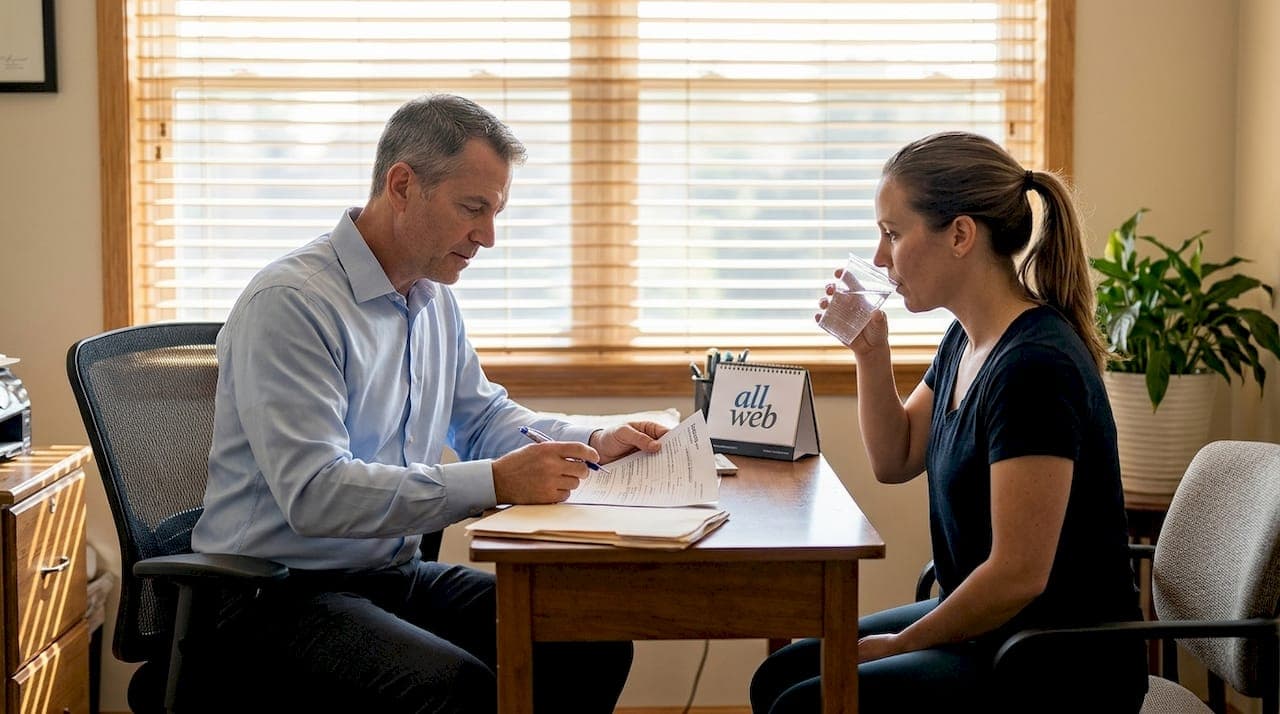
Pain that lingers for days or weeks after a car accident or slip and fall is more than uncomfortable. It can spiral into chronic stiffness, nerve problems, and lost mobility if you wait too long to act. The good news is that a structured, evidence-based chiropractic program gives your body a real pathway to heal, not just temporary relief. This guide walks you through every phase of care, from your first appointment to active rehabilitation, so you know exactly what to expect and how to get back to feeling like yourself again.
Table of Contents
- What to expect: Initial evaluation and injury assessment
- Phase 1: Pain relief and inflammation control
- Phase 2: Corrective adjustments and spinal alignment
- Phase 3: Rehabilitation, recovery, and prevention
- How effective is step-by-step chiropractic care?
- Our perspective: What most guides miss about chiropractic recovery
- Start your recovery with Spark Chiropractic
- Frequently asked questions
Key Takeaways
| Point | Details |
|---|---|
| Thorough evaluation first | Your recovery starts with a comprehensive exam to pinpoint injuries and guide safe care. |
| Pain relief comes early | Gentle, phased treatment targets pain and inflammation before corrective steps begin. |
| Active rehab is essential | Tailored exercises and lifestyle changes help prevent future injuries and speed healing. |
| Evidence supports multimodal care | Combining adjustments, exercise, and education works better than passive care alone. |
What to expect: Initial evaluation and injury assessment
Having introduced the importance of a proven path, let's start with what actually happens at your first visit. Many people show up unsure of what questions to ask or what information matters. The truth is, a thorough initial evaluation is the foundation everything else depends on.
The comprehensive assessment steps your chiropractor takes at the start determine which tissues are hurt, how severe the damage is, and which treatment path fits your specific injury. According to established protocols, step-by-step treatment begins with a full history, physical exam, and imaging when needed to identify misalignments, soft tissue damage, and inflammation. Skipping this step is like building a house without a blueprint.
The chiropractor will ask about the mechanism of injury, where pain is located, whether symptoms radiate, and what aggravates or relieves them. They'll perform orthopedic and neurological tests to check reflexes, muscle strength, and range of motion. If fracture or instability is suspected, X-rays or an MRI referral comes before any hands-on treatment. This protects you and ensures the correct chiropractic recovery process is applied from day one.
| Evaluation component | What it checks |
|---|---|
| Patient history | Mechanism of injury, symptoms, medical history |
| Postural analysis | Structural imbalances, head position |
| Orthopedic tests | Joint integrity, ligament stress |
| Neurological exam | Reflexes, sensation, muscle strength |
| Imaging (if needed) | Fractures, disc injuries, alignment |
Key things to bring to your first visit:
- Any accident reports or incident documentation
- Prior imaging results (X-rays, MRI scans)
- List of current medications and supplements
- Insurance or personal injury case details
- A written description of your symptoms and timeline
Pro Tip: Start documenting your symptoms the day of the injury. A simple notes app works fine. Dates, pain levels, and what makes it worse or better give your chiropractor critical data that speeds up the diagnostic process. Read more about preparing for your first visit so nothing catches you off guard.
Phase 1: Pain relief and inflammation control
Once a clear diagnosis is made, the immediate priority is managing pain and swelling. This is not the phase where dramatic adjustments happen. It's a controlled, careful approach designed to calm the injured tissues and set the stage for deeper correction.
Gentle modalities like ice and heat therapy, electrical muscle stimulation, ultrasound, and low-force spinal adjustments are the primary tools here. Pain relief and inflammation control using these techniques comes before any aggressive manipulation, especially in the first week or two after trauma.
The purpose of ice is to reduce acute swelling and numb sharp pain. Heat comes in later to increase blood flow and relax tight muscles. Electrical stimulation sends small currents through injured tissue to reduce spasms and promote healing. These are proven, low-risk approaches your body responds well to early on.
Safety note: Seek emergency medical attention if you experience numbness or tingling down your arms or legs, sudden weakness in a limb, loss of bladder or bowel control, or severe headache after a head injury. These are red flags that require physician evaluation before chiropractic care begins.
Top early-phase treatment tools:
- Ice packs (15 to 20 minutes per session, several times daily)
- Heat therapy for chronic muscle tightness after 48 to 72 hours
- Electrical muscle stimulation (EMS) for spasm relief
- Ultrasound therapy to reduce deep tissue inflammation
- Low-force spinal mobilization
- Soft tissue massage or myofascial release
Pro Tip: Ask your chiropractor for a specific at-home ice and movement protocol. Gentle neck or lumbar range-of-motion exercises done carefully at home between sessions speed up your pain relief and prevent the stiffness that settles in when you rest too much.
Phase 2: Corrective adjustments and spinal alignment
After initial pain control, the next steps focus on correcting the actual source of dysfunction. This is the phase most people associate with chiropractic care, and for good reason. Getting your spine back into proper alignment is central to long-term recovery.
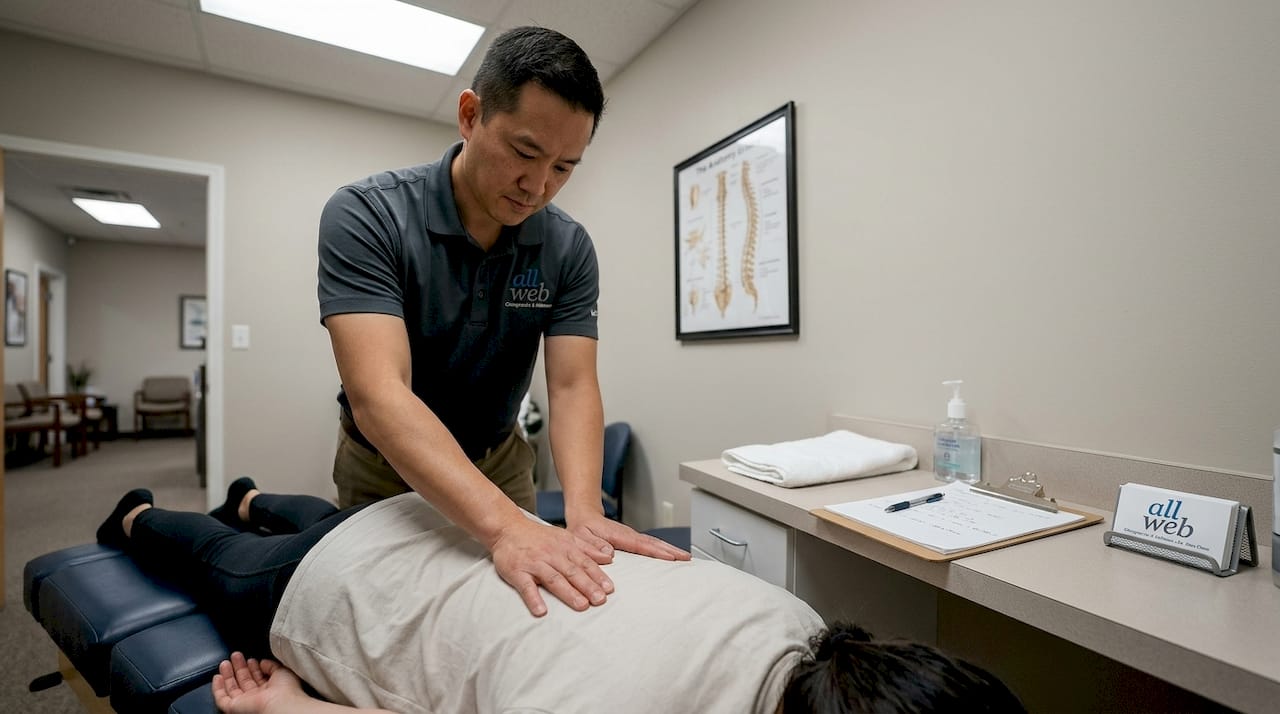
The chiropractic adjustment restores spinal alignment and joint mobility through palpation, motion testing, and imaging findings. Your chiropractor uses this information to identify which joints are restricted or misaligned and to choose the best technique for your case. This is not a one-size-fits-all process.
HVLA adjustments involve high-velocity low-amplitude thrusts that cause cavitation, which is the popping sound you may have heard about. This restores joint movement and has neurophysiological benefits that reduce pain signaling. For patients with osteoporosis, severe soft tissue injury, or high sensitivity, alternatives like instrument-assisted adjusting or gentle mobilization are used instead. Learn more about what chiropractic adjustments involve before your appointment.
| Technique | Best for | Avoid when |
|---|---|---|
| HVLA thrust | Healthy adults with joint restrictions | Osteoporosis, instability, fracture |
| Instrument-assisted | Sensitive patients, cervical spine | Severe swelling or bruising |
| Spinal mobilization | Elderly, post-surgical patients | Spinal cord compression |
| Soft tissue only | Acute muscle strain | Not a standalone for joint issues |
Step-by-step adjustment process:
- Chiropractor reviews imaging and palpation findings
- Patient is positioned on the adjustment table
- Target joint is isolated and pre-loaded with light tension
- A controlled thrust or instrument contact is applied
- Chiropractor reassesses motion and pain response
- Follow-up modalities are applied as needed
You might feel mild soreness for 24 to 48 hours after an adjustment, similar to post-workout soreness. That's normal. It means your joints and muscles are adapting. Read about the chiropractors' role in alignment to understand why this phase is so critical versus surgery, as explored in chiropractic vs surgery.
Phase 3: Rehabilitation, recovery, and prevention
With spine and joint issues addressed, rehab ensures you stay strong, flexible, and protected against future problems. This is the phase that most patients underestimate, and it's often where lasting results are won or lost.
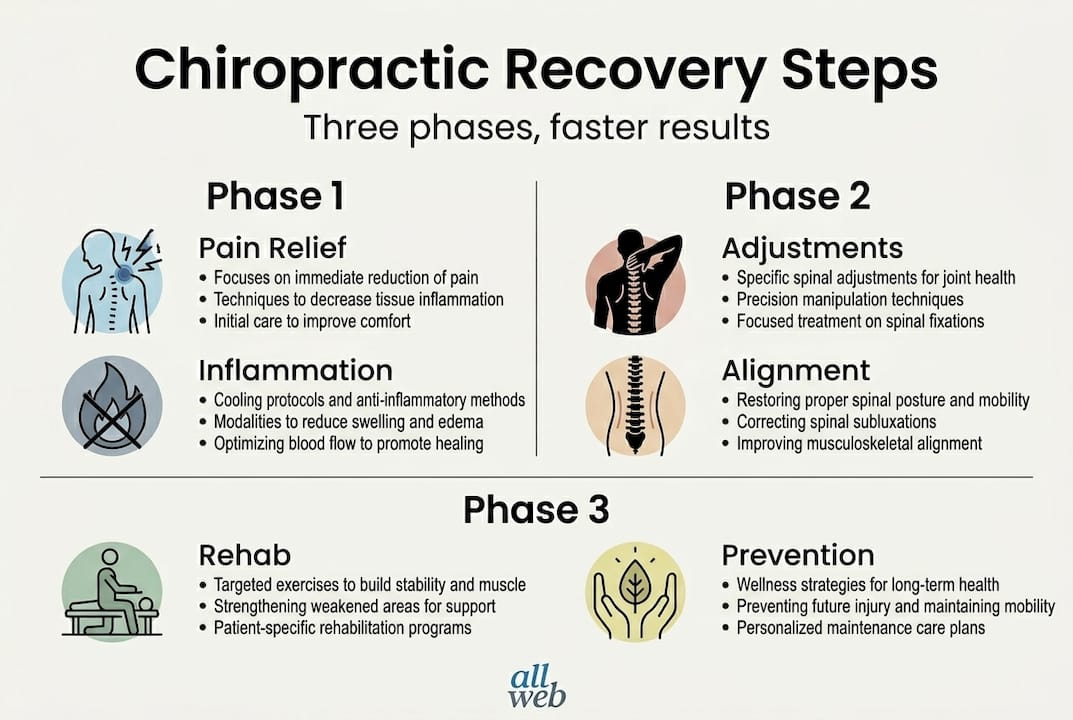
The goal here is to rebuild the strength, flexibility, and coordination that injury and inactivity erode. Targeted rehabilitation exercises focus on four key areas: strength (rebuilding muscle support around injured joints), flexibility (restoring normal range of motion), balance (retraining how your body responds to shifts in weight), and proprioception (the body's ability to sense position and movement, which gets disrupted after trauma).
Typical rehab activities in this phase:
- Resistance band exercises for spinal stabilizer muscles
- Neck and shoulder stretching protocols
- Core strengthening (planks, bird-dogs, dead bugs)
- Balance board training
- Postural correction drills
- Low-impact cardiovascular activity like walking
For holistic recovery to stick, ongoing monitoring, lifestyle advice, and prevention strategies must wrap up the process. This includes ergonomic guidance for your workstation, sleep position tips, and movement habits that protect your spine long-term.
Pro Tip: Active rehab, meaning exercises you perform yourself, consistently outperforms passive care alone. Passive treatments like massage or ultrasound feel great, but they don't build the muscle support your spine needs to stay aligned. Ask your chiropractor for a home exercise plan by week two of care. The results you build through long-term chiropractic outcomes come from being an active participant in your recovery.
How effective is step-by-step chiropractic care?
You may wonder how well these steps actually work and what the evidence says. The honest answer is nuanced, but overwhelmingly positive for the types of injuries most North Miami patients experience.
Research shows that spinal manipulative therapy (SMT) provides small to moderate pain relief for chronic low-back pain and modest function improvement, though results for acute whiplash are more mixed. That's not a reason to avoid care. It means realistic expectations and a multimodal approach matter.
SMT is equivalent to exercise and physical therapy in many cases, with no serious harms and only minor, transient soreness as a common side effect. For many accident victims, chiropractic care costs significantly less than surgical paths and avoids the risks of invasive procedures.
📊 What the research shows: Patients receiving structured chiropractic outcome data report meaningful improvements in pain scores and daily function within 4 to 8 weeks of consistent care.
Common side effects and how often they occur:
- Mild soreness after adjustments: very common, resolves within 24 to 48 hours
- Temporary fatigue: occasional, especially early in care
- Headache post-adjustment: uncommon, usually brief
- Serious adverse events: extremely rare when properly screened
Chiropractic is not the right first step when red flags are present, including undiagnosed fractures, neurological deterioration, or signs of vascular injury. In those cases, your chiropractor will refer you to the right specialist. The wellness benefits of chiropractic are best realized when the right patient gets the right care at the right time.
Our perspective: What most guides miss about chiropractic recovery
Most online guides walk you through the phases and stop there. But after more than 20 years working with accident victims in North Miami, we've seen patterns that research alone doesn't capture.
The biggest one: provider experience with trauma cases matters more than any marketing claim. Post-accident chiropractic requires a clinician who understands injury biomechanics, insurance documentation, and when to refer out. A chiropractor who mostly sees wellness patients may not be the right fit for whiplash or fall injuries.
The second pattern: patients who stay passive get slower results. Relying entirely on in-office treatments without doing homework exercises, monitoring posture, or making lifestyle adjustments extends recovery unnecessarily. The best outcomes we see come from patients who show up prepared, engage in active rehab, and ask the right questions. Knowing what to ask your chiropractor before your first visit puts you miles ahead.
Pro Tip: If a provider dismisses your concern about imaging, refuses to coordinate with your medical doctor, or can't explain their treatment rationale clearly, those are red flags worth taking seriously.
Start your recovery with Spark Chiropractic
If you're dealing with pain after an auto accident or slip and fall in North Miami, you don't have to figure this out alone. The step-by-step approach we've described here is exactly how we work with every patient at our clinic.

Spark Chiropractic brings over 20 years of trauma-focused experience, advanced equipment, and flexible scheduling to patients across North Miami and surrounding areas. We handle everything from your initial injury assessment to your final rehab session, and we work with personal injury cases, no-insurance patients, and those who simply want to get better fast. Contact us today to book your exam and take the first step toward real, lasting recovery.
Frequently asked questions
How soon after an accident should I start chiropractic care?
It's best to get evaluated as soon as possible after an accident, ideally within days. Early intervention after trauma maximizes healing potential and helps prevent short-term injuries from becoming chronic problems.
What if imaging or an MD clearance is needed first?
If fractures or severe instability are suspected, you'll be referred for imaging or physician clearance before any chiropractic treatment begins. Edge cases requiring clearance are common after high-impact falls or collisions, and your chiropractor will guide that referral process.
Are chiropractic adjustments safe after an auto accident?
Yes, when performed by a trained professional, adjustments are safe for the vast majority of patients. No serious harms have been found in properly screened patients, and gentler instrument-assisted methods are available for those with specific vulnerabilities.
Is chiropractic better than physical therapy for accident recovery?
Neither consistently outperforms the other. SMT and physical therapy are similarly effective for neck and back pain recovery, and combining both with active rehab often produces the best outcomes for accident victims.
Recommended
- Chiropractic Wellness: Relieve Pain & Aid Recovery Fast
- How to Prepare for Your Chiropractic Visit After an Accident
- How local chiropractors aid recovery after injuries
- Why chiropractic is often better than surgery after accidents
- Step-by-step recovery guide for natural wellness success – Onyx Wellness