
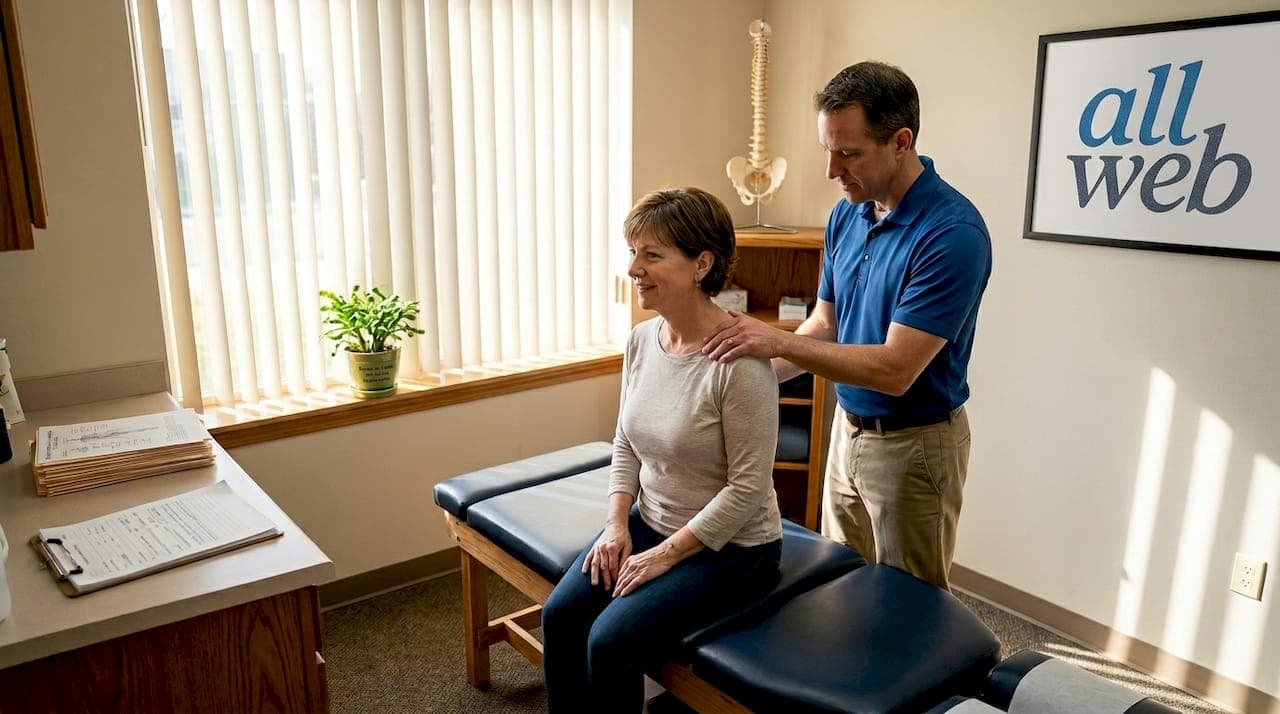
If you've been in a car accident or taken a bad fall in North Miami, you've probably wondered whether chiropractic care is actually worth it or just a lot of hype. Here's the thing: 77% of patients rate it very effective, and major clinical guidelines recommend it for both acute and chronic low back pain. Yet plenty of people still walk into a chiropractor's office not knowing what to expect, whether it's safe, or if it will really help their specific injury. This guide covers exactly that. We'll break down what chiropractic care is, how it works, what a real session looks like, who it's best for, and what risks to know before you go.
Table of Contents
- Understanding chiropractic care: What it is and how it works
- Benefits of chiropractic care for accident recovery and pain
- What to expect during a chiropractic session
- Safety, side effects, and who should avoid chiropractic care
- Our perspective: The truth about chiropractic care for accident recovery
- Looking for affordable chiropractic care in North Miami?
- Frequently asked questions
Key Takeaways
| Point | Details |
|---|---|
| Effective for pain relief | Chiropractic care is proven to help recover from musculoskeletal pain, especially after accidents. |
| Safety with screening | Serious side effects are rare when patients are properly screened for risk factors. |
| High patient satisfaction | Over three-quarters of patients report very positive results from chiropractic adjustments. |
| Best for specific conditions | Evidence is strongest for back and neck pain, less so for whole-body wellness claims. |
Understanding chiropractic care: What it is and how it works
Chiropractic care is a hands-on, non-invasive form of healthcare focused on diagnosing and treating disorders of the musculoskeletal system, especially the spine. It doesn't involve surgery or prescription drugs. Instead, licensed chiropractors use physical techniques to restore proper movement, reduce pain, and support the body's natural ability to heal.
The core method is spinal manipulative therapy (SMT), also called a chiropractic adjustment. This technique uses high-velocity, low-amplitude thrusts applied to spinal joints to restore their range of motion. That familiar popping sound? It's just gas releasing from the joint, similar to cracking your knuckles. It's not bones grinding together.
Chiropractors use several specific techniques depending on your condition and comfort:
- Diversified technique: The most common method, using precise manual thrusts to specific joints
- Gonstead technique: A detailed analysis of the spine followed by targeted adjustments
- Activator method: A small handheld instrument delivers a gentle, controlled impulse, ideal for patients who prefer a softer approach
- Flexion-distraction: A gentle stretching motion used often for disc-related issues
- Drop table technique: Uses a segmented table that drops slightly with each thrust to reduce force
One common myth is that chiropractors are "fixing" something called a subluxation, a term referring to a misaligned vertebra supposedly causing all sorts of health problems. The reality is more nuanced. While the term is still used by some practitioners, the evidence base for chiropractic care is strongest for musculoskeletal pain, including back pain, neck pain, and headaches. Broader health claims have weaker support.
"Chiropractic care is best understood as a musculoskeletal specialty. It's not a cure-all, but for the right conditions, it's backed by solid clinical data."
If you want a broader picture of how regular care can support your overall health, explore chiropractic wellness benefits beyond pain relief alone.
Benefits of chiropractic care for accident recovery and pain
Now that you understand what chiropractic care is, let's explore why it's especially valuable for recovery after accidents and persistent pain.
After a car accident or slip and fall, your body often absorbs forces that compress, twist, or strain the spine and surrounding soft tissues. Even a low-speed collision can cause whiplash, herniated discs, or muscle tears that don't show up on X-rays right away. Chiropractic care targets exactly these kinds of injuries.
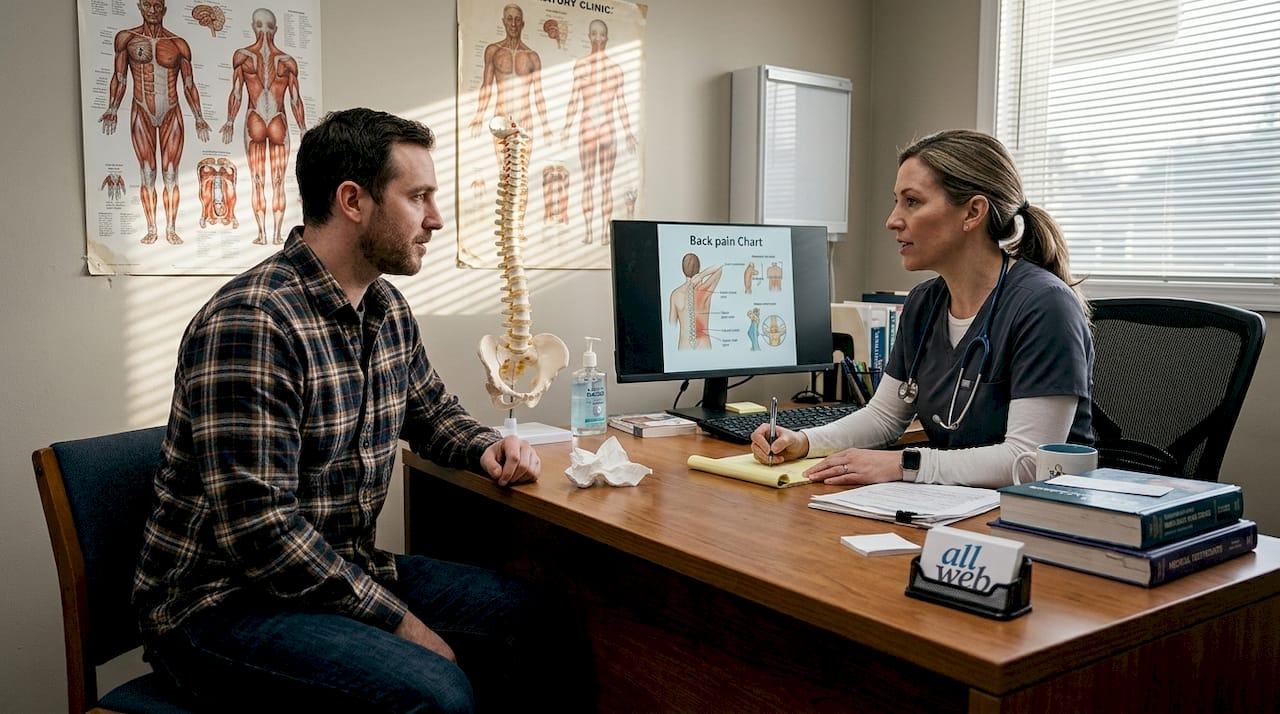
Here's what the research shows:
| Outcome | Result |
|---|---|
| Patient satisfaction | 77% rate care as very effective |
| Functional improvement | ODI score improvement of 6 to 12 points over 6 months |
| Opioid use reduction | Up to 90% reduction in opioid prescriptions |
| Guideline support | Recommended for both acute and chronic low back pain |
That opioid stat deserves a closer look. Patients who received chiropractic care after injury were far less likely to need pain medication. Given the opioid crisis, that's not a small thing. Getting non-drug relief that actually works changes the entire recovery path.
For neck pain after accidents, chiropractic care consistently outperforms over-the-counter medications in both pain reduction and return to function. For low back pain, evidence shows it performs comparably to physiotherapy and often better than surgery for non-emergency cases. If you're weighing your options, read about chiropractic versus surgery after accidents.
Common injuries treated effectively with chiropractic care include:
- Whiplash from rear-end collisions
- Lumbar strain from falls or impact
- Herniated or bulging discs putting pressure on nerves
- Facet joint injuries along the spine
- Shoulder and hip misalignments following trauma
Functional improvement matters just as much as pain reduction. Many patients return to work, daily activity, and exercise faster when chiropractic care is part of their recovery plan.
What to expect during a chiropractic session
With clear evidence for its benefits, you might wonder what actually happens when you visit a chiropractor.
The first visit is different from everything that follows. Before any adjustment happens, your chiropractor conducts a detailed intake. This matters especially if you've been in an accident. Here's the general process:
- Medical history review: You'll share your symptoms, injury details, and any prior conditions. Be specific about the accident circumstances.
- Physical examination: This includes posture assessment, range of motion testing, muscle strength checks, and reflex testing.
- Imaging if needed: X-rays or MRI may be ordered if there's concern about fractures, disc damage, or instability.
- Treatment plan discussion: Your chiropractor explains what they found, what they recommend, and how many sessions you may need.
- First adjustment: Techniques are tailored individually, so your session may include Diversified, Gonstead, or Activator methods depending on your case.
- Soft tissue therapy: Many sessions include massage, myofascial release, or stretching alongside the adjustment.
- Rehab exercises: You'll likely be given home exercises to reinforce what was done in the office.
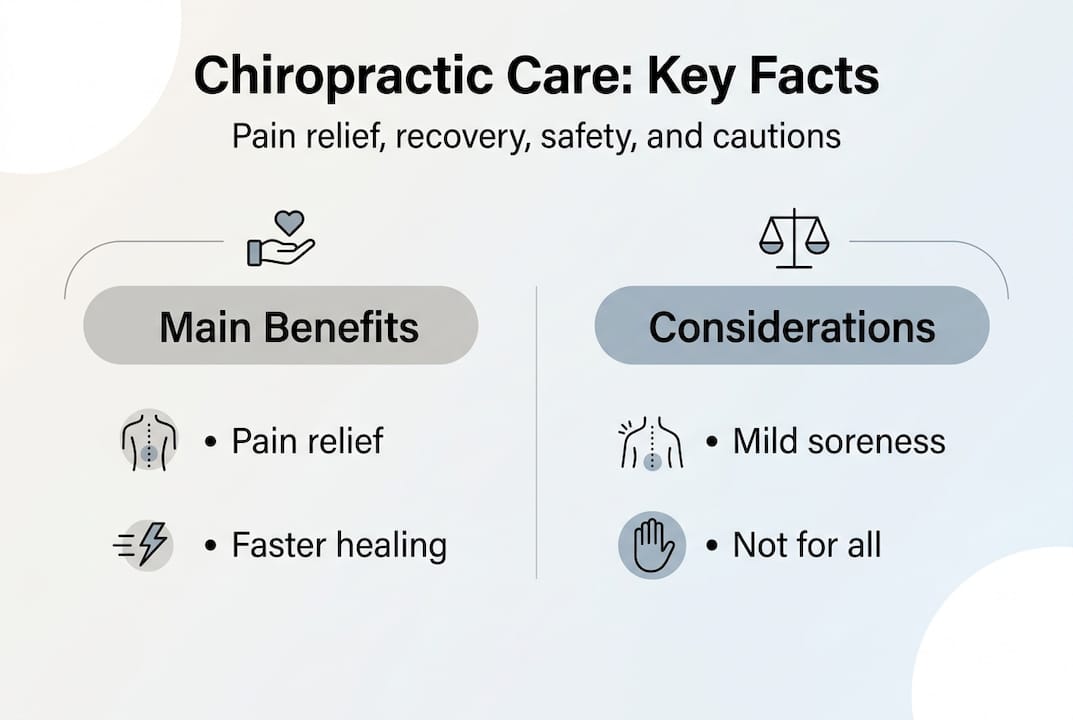
After your session, some mild soreness or stiffness is normal, especially after your first few visits. Think of it like the feeling after a tough workout. It usually fades within 24 hours. If it doesn't, call your provider.
Pro Tip: Wear comfortable, loose-fitting clothing to your first visit. It makes the physical exam and adjustment much easier and speeds up the whole process.
For more details on getting ready, check out this guide on local chiropractors and recovery or read specifically about preparing for your chiropractic visit after an accident.
Safety, side effects, and who should avoid chiropractic care
Understanding what to expect is important, but so is knowing the limits and safety profile of chiropractic care.
Let's be direct: serious side effects are rare, and minor ones like soreness and stiffness typically clear up within 24 hours. When performed by a trained, licensed chiropractor who screens patients properly, the risk profile is favorable compared to medications or surgery.
Here's a quick comparison:
| Treatment | Common risks | Serious risk level |
|---|---|---|
| Chiropractic care | Soreness, stiffness | Very low with screening |
| NSAID medications | GI bleeding, kidney effects | Moderate with long-term use |
| Opioids | Dependency, overdose | High |
| Spinal surgery | Infection, nerve damage | Significant |
However, chiropractic care is not appropriate for all conditions, including non-musculoskeletal issues like asthma. Every patient should be screened for medical red flags before treatment begins.
Absolute contraindications (meaning chiropractic care should NOT be used) include:
- Spinal malignancy (cancer in or near the spine)
- Acute fracture in the area to be treated
- Severe osteoporosis with high fracture risk
- Cauda equina syndrome (a spinal emergency)
- Active spinal infection
- Acute myelopathy (spinal cord compression with neurological symptoms)
Relative contraindications, meaning situations that require extra caution and possible modification, include inflammatory arthritis, blood clotting disorders, or certain post-surgical situations. A good chiropractor will ask about all of these before touching your spine.
Pro Tip: Always disclose your full medical history, including medications, recent imaging, and all injuries from your accident. This isn't just paperwork. It directly protects your safety and shapes your treatment plan.
The bottom line: the risks of chiropractic care are real but manageable. Proper screening is what separates a great outcome from a preventable complication.
Our perspective: The truth about chiropractic care for accident recovery
After exploring benefits and safety, let's share a candid perspective you won't find in typical guides.
After working with accident patients for over 20 years, we've seen one pattern repeat itself: people either expect chiropractic care to fix everything in two sessions, or they dismiss it entirely because a friend had a bad experience. Both extremes miss the point.
Chiropractic is most evidence-based for low back pain and neck pain. The term "subluxation" is genuinely debated in the research community, and broader wellness claims sometimes outpace the science. We think honesty about this builds more trust than overpromising.
What we also know from experience: screening after trauma is non-negotiable. A patient with an undetected fracture who gets a high-velocity adjustment is at serious risk. This is why we take the intake process seriously, even when patients are eager to jump straight to treatment.
The best recoveries we've seen don't come from chiropractic alone. They come from combining spinal adjustments with soft tissue work, targeted exercises, and in some cases, coordination with a primary care physician. Explore the full picture of chiropractic wellness as part of an integrative approach. That combination, not any single treatment, is what gets people back to living their lives.
Looking for affordable chiropractic care in North Miami?
Ready to take the next step toward recovery and pain relief?
If you're in North Miami and dealing with pain after a car accident or slip and fall, you don't have to figure this out alone. At Spark Chiropractic, we've been helping accident victims recover faster with personalized, affordable care for over 20 years. We handle auto injury cases, work with patients who have no insurance, and use advanced equipment to get to the root of your pain, not just mask it.

Our team screens every patient carefully before treatment and builds a recovery plan around your specific injuries. Whether you need spinal adjustments, soft tissue therapy, or a full wellness plan, we're here. Don't wait on pain. Book your assessment today at sparkmed.net and let's get you moving again.
Frequently asked questions
Is chiropractic care covered by insurance after an accident?
Many auto insurance policies cover chiropractic care for accident recovery, but always confirm with your provider and local clinic. Personal injury protection (PIP) benefits in Florida often include chiropractic treatment.
Does a chiropractic adjustment hurt?
Most patients experience only momentary pressure or mild soreness that resolves in less than 24 hours. Minor soreness and stiffness are common but not severe, and they typically fade faster after the first few sessions.
Who should not get chiropractic care?
People with spinal malignancy, acute fracture, severe osteoporosis, cauda equina syndrome, or active spinal infection should avoid chiropractic adjustments. Absolute contraindications also include acute myelopathy and certain spinal infections.
Can chiropractic care help with headaches or other non-back pain?
Some people find relief for tension-type and cervicogenic headaches through chiropractic treatment. However, evidence is strongest for back and neck pain, and results for other conditions vary considerably.