
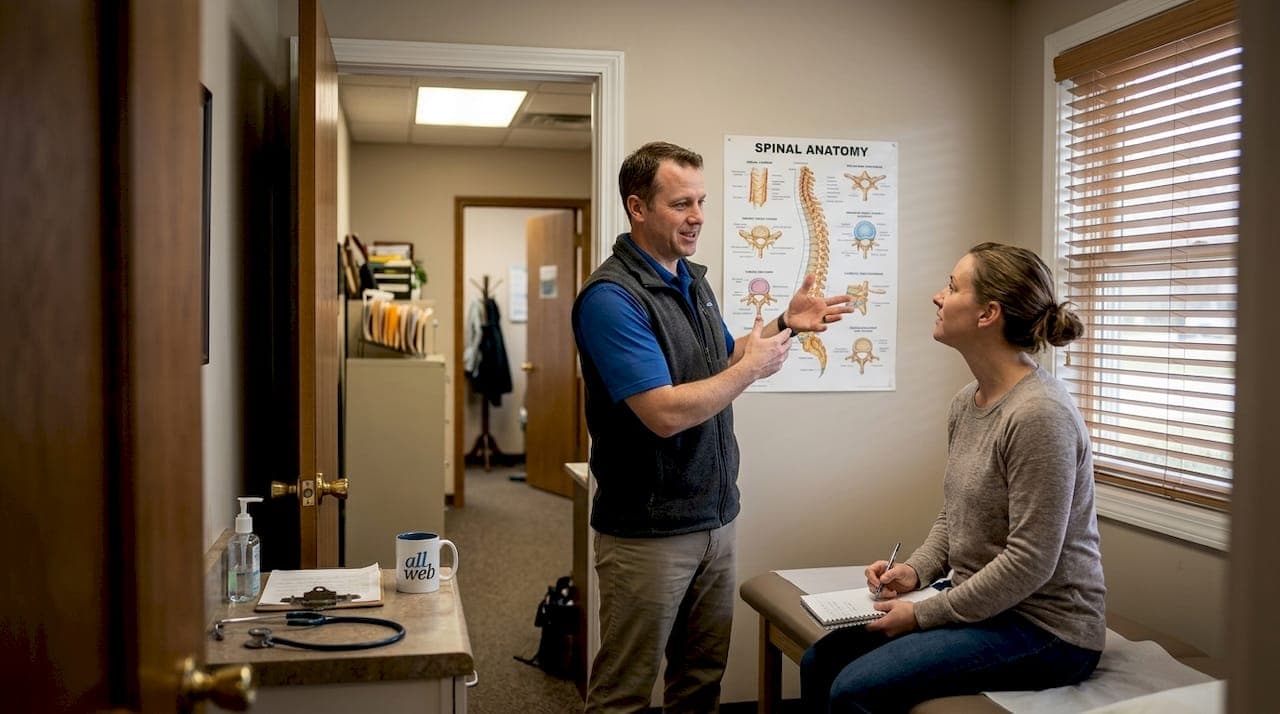
After a car accident or slip and fall, most people assume the only path forward is painkillers, surgery, or weeks of waiting for pain to fade on its own. That assumption keeps a lot of North Miami residents stuck in unnecessary discomfort. Chiropractic therapy offers a proven, non-invasive route to pain relief and functional recovery, especially for musculoskeletal injuries like whiplash, back strain, and joint pain. This article breaks down how chiropractic works, what the research actually says, when it is and is not appropriate, and how to take your first steps toward real recovery without guesswork or financial stress.
Table of Contents
- What is chiropractic therapy and how does it work?
- Evidence-based benefits: How effective is chiropractic therapy?
- Chiropractic vs. physical therapy and standard care: What's best for your recovery?
- When is chiropractic NOT the right choice? Limitations and red flags
- Practical first steps: Applying chiropractic therapy in your recovery
- Our take: What most guides miss about chiropractic therapy after accidents
- Take the next step with affordable, expert chiropractic care
- Frequently asked questions
Key Takeaways
| Point | Details |
|---|---|
| Effective pain relief | Chiropractic therapy can reduce pain by about 30 percent after accidents, similar to other top treatments. |
| Comparable to PT | Studies show chiropractic offers similar recovery results to physical therapy, especially when combined. |
| Safety first | Always ensure serious injuries are screened before starting chiropractic for safe and effective care. |
| Easy first steps | You can quickly start chiropractic after an accident with simple steps and affordable options. |
What is chiropractic therapy and how does it work?
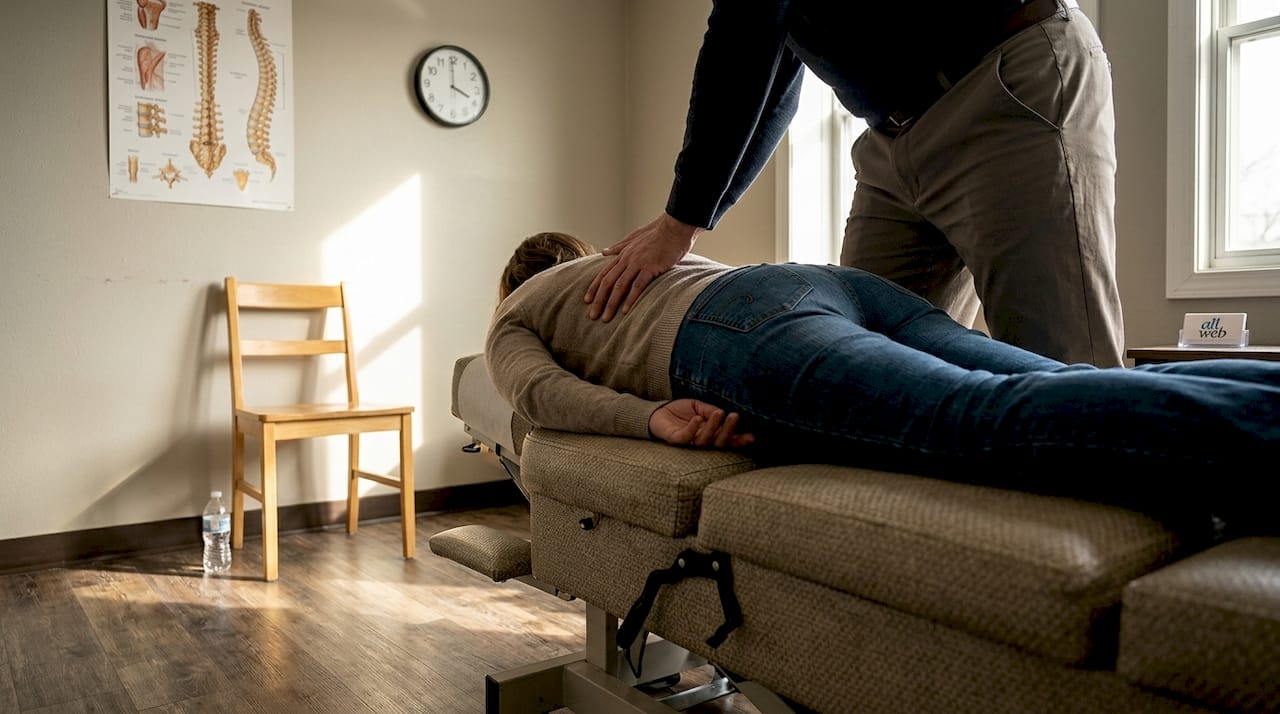
Chiropractic therapy is a hands-on, non-surgical approach to treating musculoskeletal pain, which means pain affecting your muscles, joints, nerves, and spine. Rather than masking symptoms with medication, chiropractors work to correct the physical cause of your pain, typically by restoring proper alignment and movement to your spine and joints.
The core treatment is spinal manipulative therapy (SMT), a controlled force applied to specific spinal joints to improve mobility and reduce pain signals. Think of it like resetting a jammed door hinge. When a joint is restricted or misaligned, surrounding muscles tighten, nerves become irritated, and your range of motion drops. SMT breaks that cycle. Research shows SMT reduces pain roughly 30% in patients with acute neck and low-back pain while also improving range of motion.
Beyond SMT, chiropractors often use:
- Soft tissue therapy: targeting muscles and fascia around injured joints
- Therapeutic exercises: rebuilding strength in weakened post-accident muscles
- Postural corrections: addressing compensatory patterns that develop after injury
- Patient education: teaching you how to move safely while you heal
Chiropractors complete four years of doctoral training, including clinical rotations, and are trained in evidence-based screening to identify when a patient needs a medical referral instead of spinal adjustments. This is especially important after auto accidents or falls, where fractures or nerve damage can be hiding behind surface-level pain. Following spinal manipulation guidelines ensures treatment is matched to your specific injury type.
For post-accident patients, chiropractic care aligns well with chiropractic wellness for pain relief because it addresses the root mechanical dysfunction rather than temporarily numbing it.
Pro Tip: At your first appointment, describe exactly how and when your injury happened. That detail helps your chiropractor choose the safest and most effective adjustment technique for your case.
Evidence-based benefits: How effective is chiropractic therapy?
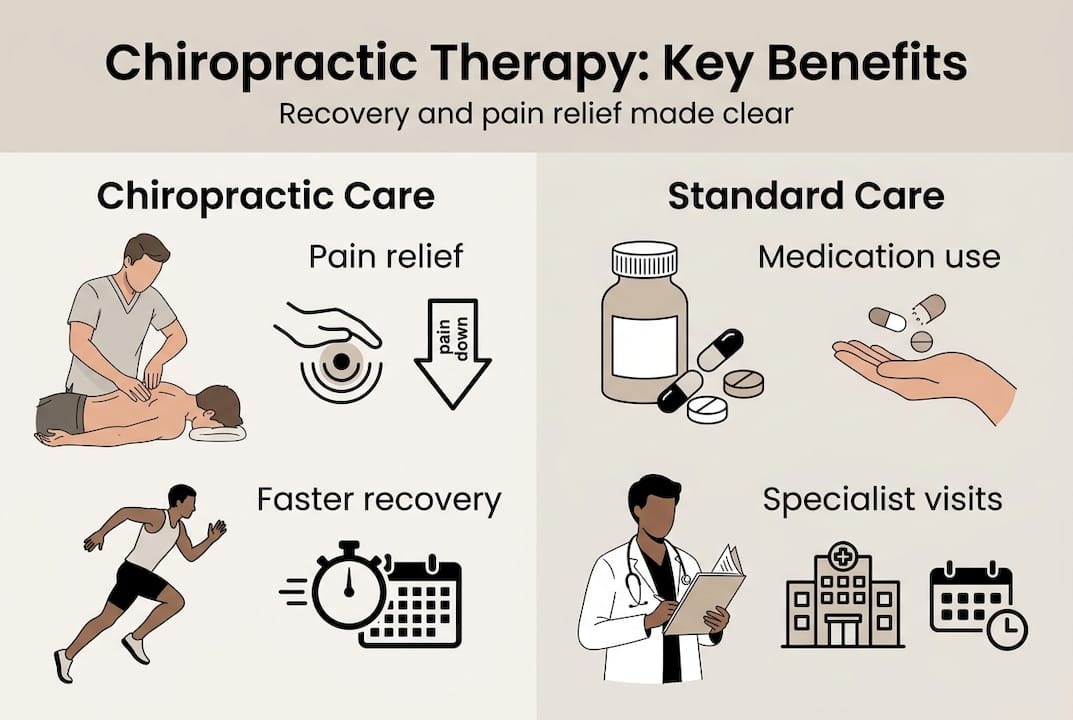
Let's talk numbers. In a clinical comparison, 94% of chiropractic patients achieved at least 30% pain reduction, compared to just 54% of patients receiving standard medical care. That is not a small gap. It means chiropractic therapy nearly doubles your odds of meaningful pain relief after an injury.
For accident-related spinal injuries specifically, a real-world case study using the Chiropractic BioPhysics (CBP) protocol showed that a CBP protocol reduced post-accident cervical kyphosis by 21.8 degrees in a patient involved in a motor vehicle collision, with sustained pain improvement documented one year later. Cervical kyphosis is an abnormal curve in the neck, common after rear-end collisions.
| Outcome | Chiropractic | Standard medical care |
|---|---|---|
| 30% pain reduction | 94% of patients | 54% of patients |
| Surgery referral rate | Lower | Higher |
| Opioid use | Reduced | More common |
| Long-term function | Improved | Variable |
"Chiropractic therapy doesn't just reduce pain in the short term. Clinical evidence shows it improves long-term function and reduces the likelihood of patients needing surgery or opioid medications."
For North Miami residents recovering from accidents, this translates into real savings: fewer specialist visits, less medication spending, and faster return to daily activities. If you are curious how a local chiropractor recovery plan looks in practice, or wondering about the chiropractic vs surgery after accidents comparison for your specific injury, those resources offer detailed breakdowns.
Chiropractic vs. physical therapy and standard care: What's best for your recovery?
This is the question we hear constantly. People want to know if chiropractic is better than physical therapy, or if they should just see their regular doctor. The honest answer: it depends on your injury, but combining approaches often delivers the best results.
A major randomized controlled trial found no significant outcome difference between chiropractic and physiotherapy for chronic low back pain on its own. But the same research identified the combined approach as the most cost-effective solution overall.
| Approach | Best for | Cost | Spinal focus |
|---|---|---|---|
| Chiropractic | Joint/spinal alignment, acute pain | Moderate | High |
| Physical therapy | Strength, mobility, post-surgical | Moderate | Medium |
| Standard medical | Diagnosis, medication, imaging | Variable | Low |
| Combined care | Complex injuries, chronic pain | Often most efficient | High |
Here is a practical way to think about your options:
- Start with a chiropractic evaluation for spinal or joint pain after a car accident or fall.
- Add physical therapy if you have significant muscle weakness or coordination issues.
- Keep your medical doctor in the loop for imaging, documentation, and ruling out serious injuries.
- Reassess every 4 to 6 sessions to see if your treatment plan needs adjusting.
For auto accident and slip and fall patients, chiropractic has a distinct advantage: it directly targets the spinal joint dysfunction that typically drives pain in these injuries. Physical therapy alone often addresses the muscles around the problem without correcting the underlying joint restriction. More on this is covered in our chiropractic wellness for recovery resource.
Pro Tip: Ask your chiropractor whether your plan includes a referral coordination strategy. Experienced chiropractors in North Miami regularly co-manage patients with physical therapists and physicians for faster, more complete recovery.
When is chiropractic NOT the right choice? Limitations and red flags
Chiropractic therapy is powerful, but it is not appropriate for every situation after an accident. Knowing the red flags could protect your health and your recovery timeline.
You should go to an emergency room first, not a chiropractor, if you experience:
- Loss of bladder or bowel control after your injury
- Severe numbness or weakness in your arms or legs
- Intense, unrelenting pain that does not change with position
- Signs of a fracture such as visible deformity or inability to bear weight
- Loss of consciousness at the time of injury
"Serious trauma requires emergency evaluation first. Red flag screening for fractures, cauda equina syndrome, and neurological compromise must happen before any spinal manipulation is considered."
Reputable chiropractors use standardized tools, like the Canadian C-Spine Rule, to screen patients before performing any adjustment. This is not optional. Guidelines recommend SMT only after red flag screening, excluding patients with serious pathology from manipulation.
For complex whiplash cases where neurological symptoms are present, chiropractic is typically part of a coordinated care plan rather than a standalone solution. The goal is always your safety first, then your recovery.
If you are unsure whether chiropractic is appropriate for your specific injury, preparing for chiropractic after accident walks you through what a responsible first appointment looks like and what questions to ask.
Practical first steps: Applying chiropractic therapy in your recovery
Knowing chiropractic works is one thing. Getting started the right way is another. Here is a clear, step-by-step approach for North Miami residents after an accident or fall.
- See a doctor or visit urgent care immediately after any accident to rule out fractures or serious injuries. Get imaging if recommended.
- Document everything. Write down your symptoms, pain locations, and how the injury happened. This helps your chiropractor design a precise plan.
- Research chiropractors who specialize in accident injuries. Ask if they have experience with auto accident or slip and fall patients specifically.
- Book a consultation within 72 hours if possible. Early intervention reduces the risk of chronic pain developing from acute injuries.
- Ask specific questions: How many sessions do you anticipate? Will you coordinate with my other providers? Do you offer payment plans or work with personal injury cases?
- Track your progress. Rate your pain on a simple 1-to-10 scale before and after sessions so you can objectively see your improvement.
On the affordability front, many North Miami chiropractors work with personal injury attorneys, accept PIP (Personal Injury Protection) insurance from auto policies, and offer no-insurance adjustment rates. Combining chiropractic and PT proved most cost-effective in clinical research, so do not rule out a multimodal approach just because it sounds complicated.
For a detailed look at what to bring and what to expect, visit prepare for your visit before your first appointment.
Pro Tip: Bring any accident reports, ER discharge papers, or imaging results to your first chiropractic appointment. This documentation speeds up your intake and helps your chiropractor avoid unnecessary repeat imaging.
Our take: What most guides miss about chiropractic therapy after accidents
After more than 20 years working with North Miami accident and injury patients, one pattern stands out clearly: people wait too long. They assume the pain will fade, or they worry that chiropractic is only for back cracking. Both beliefs delay recovery and increase the risk of chronic pain setting in.
Most online guides focus purely on comparing pain scores. What they miss is the relationship between timing and outcomes. Patients who start care within the first week after an accident consistently recover faster and more fully than those who wait several weeks. That window matters enormously.
Another underrated factor is the combination approach. We have seen patients make modest progress with chiropractic alone, then dramatically accelerate when they add targeted exercise or soft tissue therapy. The research agrees, but few patients are told this upfront.
Finally, local context matters. North Miami's patient population includes many people navigating personal injury claims, language barriers, and limited insurance. A chiropractor who understands these realities provides a completely different level of care than a generic clinic. Choosing chiropractic over surgery in Miami is not just a clinical decision. It is a practical, financial, and personal one.
Take the next step with affordable, expert chiropractic care
If you are ready to stop guessing and start recovering, the team at Spark Chiropractic is here to help. We specialize in post-accident and post-fall recovery for patients across North Miami, using evidence-based techniques and personalized treatment plans that fit your life and your budget.
Whether you have insurance, a personal injury claim, or no coverage at all, we offer flexible, affordable options so cost never becomes a barrier to your recovery. Our clinic has over 20 years of experience treating exactly the kinds of injuries that result from car accidents and slips and falls. Scheduling is simple, our team speaks your language, and your first consultation is the beginning of a real plan, not a sales pitch.
Frequently asked questions
How quickly can I expect pain relief with chiropractic therapy after an accident?
Most patients notice meaningful improvement within 2 to 4 sessions, with up to 30% pain reduction documented in clinical research on spinal manipulative therapy.
Is chiropractic therapy safe after all auto accident injuries?
Chiropractic is safe when serious injuries are ruled out first. Red flag screening for fractures and neurological issues is a required step before any spinal manipulation is performed.
Does insurance cover chiropractic visits after a slip and fall?
Many plans, including Florida PIP auto insurance, cover chiropractic therapy for injury recovery, but coverage limits and requirements vary so always verify with your specific provider before your first visit.
How does chiropractic compare to physical therapy for whiplash?
For acute whiplash, some RCTs show SMT equals PT in outcomes, though evidence varies across studies. Combining both is often the most practical and effective approach for full recovery.