
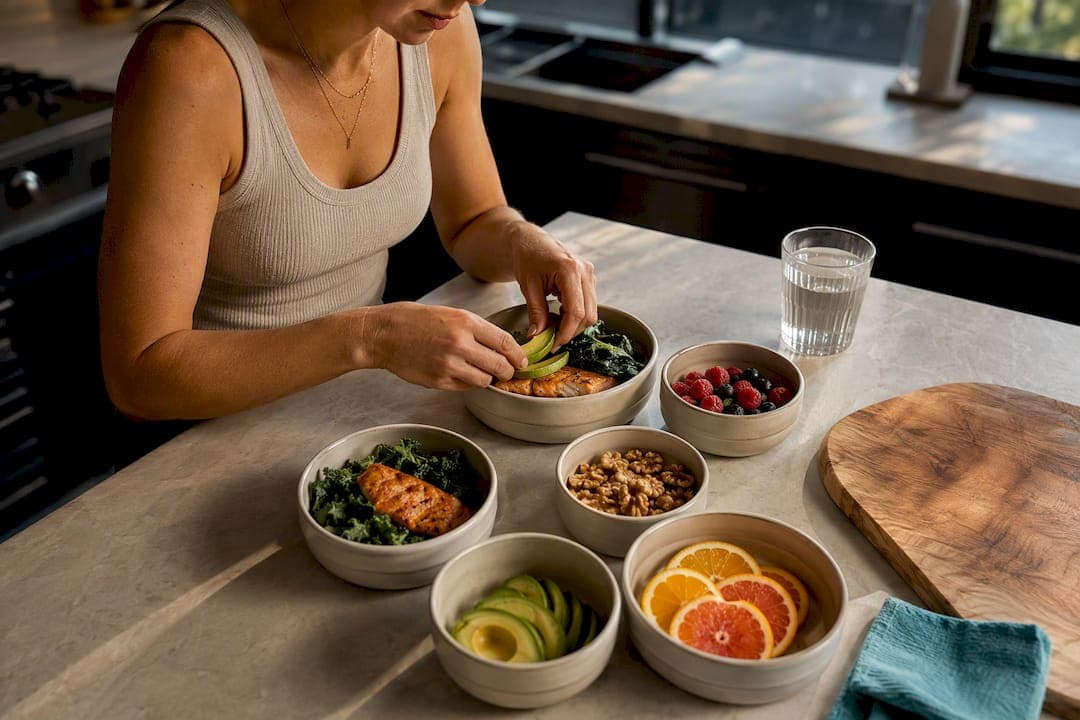
An anti-inflammatory diet after a car accident helps quiet the excess inflammation that slows tissue healing and adds unnecessary pain. Prioritize three things right away: omega-3s and antioxidant-rich produce, enough protein at every meal, and cutting added sugar and processed fats. Check any new supplement with your doctor first, especially if you're on medication or facing surgery.
TL;DR:
- Consuming omega-3 rich foods like fatty fish and antioxidant-rich produce can more effectively reduce inflammation and support tissue healing after a car accident.
- Avoiding added sugars, fried foods, and trans fats is crucial, as they promote inflammation and slow the recovery process.
- Ensuring adequate protein intake, especially with micronutrients such as vitamin C and D, enhances collagen and bone repair during recovery.
- Supplementing with omega-3s and tart cherry juice has the strongest evidence for reducing soreness and inflammation, but always consult a healthcare provider first.
- Batch cooking and portable snacks like nuts, berries, and hard-boiled eggs can help maintain anti-inflammatory nutrition despite low appetite or busy schedules.
Table of Contents
- Why Inflammation Matters After a Car Accident
- Best Anti-Inflammatory Foods for Recovery
- Foods and Habits That Slow Healing
- Protein, Micronutrients, and Hydration for Tissue Repair
- Do Supplements Actually Help Recovery?
- A Sample Anti-Inflammatory Day and Meal-Prep Tips
- When to Call Your Doctor During Recovery
- Spark's Take: Nutrition and Chiropractic Care Work Better Together
- Book a Recovery Consultation With Sparkmed
- Sources
Why Inflammation Matters After a Car Accident
Inflammation is your body's first responder. Right after a collision, whether it's whiplash, a fractured wrist, or bruised ribs, your immune system floods the injured area with cells and chemical messengers to start cleanup and repair. That acute phase, usually the first few days, is necessary and healthy.
The problem shows up when inflammation doesn't shut off. Chronic, low-grade inflammation that lingers for weeks can actually delay healing, prolong pain, and stiffen joints and soft tissue instead of resolving them. This is where food becomes a lever you can pull. According to Johns Hopkins Medicine, an anti-inflammatory eating pattern built around whole foods and omega-3s can help regulate that response and support healing rather than working against it.
The mechanisms are fairly specific:
- Omega-3 fatty acids compete with omega-6 fats for the same enzymes, which shifts your body toward producing fewer pro-inflammatory signaling molecules.
- Antioxidants in colorful produce neutralize free radicals generated by tissue damage, reducing oxidative stress on healing cells.
- Injury also raises your energy and protein needs, since your body is actively rebuilding muscle, skin, and connective tissue and burning more calories to do it.
Eating for recovery, not just eating "healthy" in the abstract, is the goal here.
Best Anti-Inflammatory Foods for Recovery
Food choices in the weeks after an accident can either help or slow down the repair process, and the best anti-inflammatory foods for recovery share a few traits: they're rich in omega-3s, high in antioxidants, or both.
Start with fatty fish. Salmon, sardines, and mackerel regularly supply EPA and DHA, the omega-3s most directly tied to lowering inflammatory markers. If fish isn't part of your routine, ask your doctor whether a fish oil supplement makes sense for you.
Berries and tart cherries deserve a regular spot on your plate. Their anthocyanins, the pigments that give them their deep color, are linked to reduced muscle soreness and inflammation in the research on recovery nutrition, according to a 2024 review of functional foods. Leafy greens like spinach and kale, plus vitamin C sources such as citrus and bell peppers, round out the antioxidant lineup and also support collagen production for connective tissue repair.
Healthy fats matter too. Extra-virgin olive oil, avocado, walnuts, and chia or flax seeds all bring anti-inflammatory compounds without the baggage of processed oils.
Don't overlook spices. Turmeric (specifically its active compound, curcumin) and fresh ginger both have anti-inflammatory properties, though curcumin absorbs poorly on its own; pairing it with black pepper or a fat source improves uptake.
Practical ways to fit this in without overhauling your kitchen:
- Blend a berry, spinach, and flaxseed smoothie for breakfast.
- Toss salmon or chickpeas over a leafy green salad with an olive oil dressing for lunch.
- Stir turmeric and ginger into soups, rice, or roasted vegetables at dinner.
Pro Tip: Keep a bag of frozen mixed berries and a bottle of tart cherry juice on hand. Both travel well in a smoothie and require zero prep on the days you're too sore to cook.
Foods and Habits That Slow Healing
Just as some foods help, others actively work against you during recovery. Added sugars and sugar-sweetened drinks like soda and sweet tea spike blood sugar and trigger inflammatory responses. Fried foods, packaged snacks, and anything loaded with trans fats do the same, and they're often also high in omega-6 seed oils that skew your fat intake in the wrong direction.
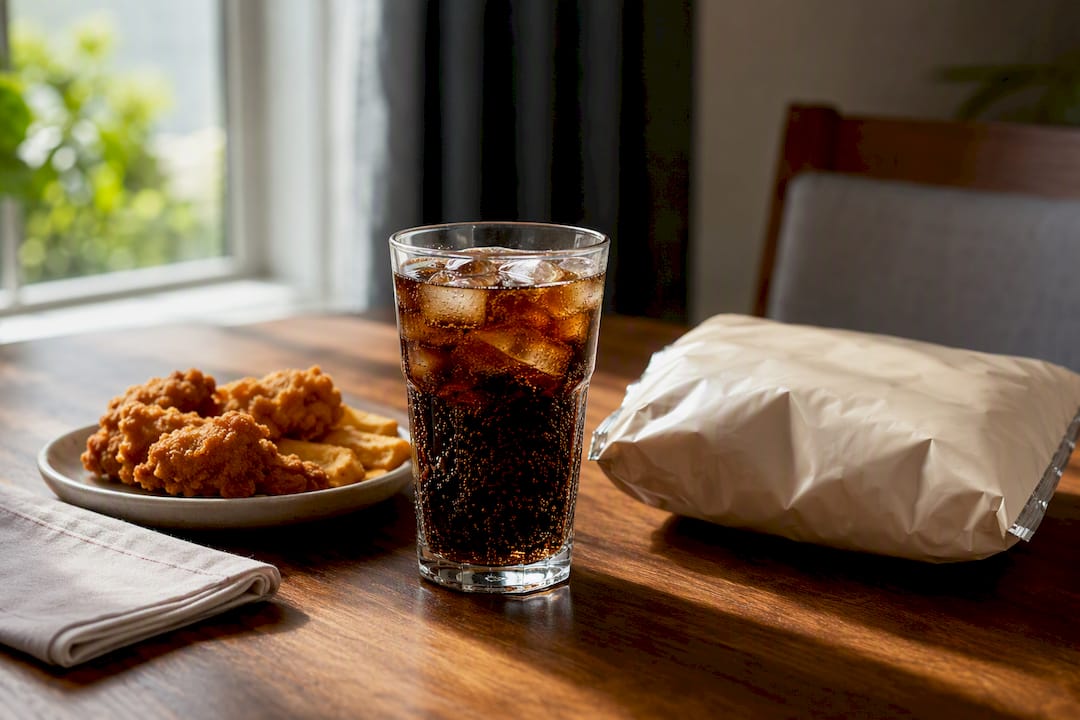
Alcohol is worth cutting back on too. It interferes with sleep quality and hydration, both of which your body needs for tissue repair. Poor sleep on its own raises inflammatory markers, so this isn't just about the drink itself.
A few easy swaps:
- Trade soda for sparkling water with a splash of fruit juice.
- Swap fried chicken for grilled or baked versions.
- Choose olive oil over corn or soybean oil in cooking.
Protein, Micronutrients, and Hydration for Tissue Repair
Rebuilding damaged muscle, connective tissue, or bone takes raw material, and protein is the main one. Aim for a moderate amount of complete protein per meal, spread across the day rather than loaded into one sitting, since your body uses protein for muscle repair more efficiently that way. Total daily needs often increase after injury and vary depending on the severity of the injury and previous activity level. A clinician or nutritionist can help you pin down the right number for your specific case.
Micronutrients matter alongside protein:
- Vitamin C works directly with collagen synthesis, so pairing citrus, peppers, or strawberries with protein-rich meals supports connective tissue and skin repair.
- Vitamin D and calcium support bone healing, particularly relevant for fractures.
- Zinc and iron, found in lean meats, legumes, and pumpkin seeds, play roles in immune function and oxygen delivery to healing tissue.
Hydration is the piece people skip. Water carries nutrients to injured tissue and flushes out metabolic waste generated during repair, and dehydration can blunt that process. A general benchmark many clinicians use is half your body weight in ounces of water daily, more if you're sweating or on pain medication that causes dry mouth. Electrolyte drinks can help if plain water isn't cutting it.
Do Supplements Actually Help Recovery?
The evidence for supplements is stronger for some than others, and it's worth knowing the difference before you spend money on a supplement aisle's worth of bottles.
Omega-3 fatty acids and tart cherry juice have the most consistent backing. A 2022 systematic review in Nutrients found these two interventions showed the most reliable evidence for reducing muscle soreness and inflammatory markers, with clinical trials using doses around 1.8 to 3 grams of combined EPA/DHA daily for several weeks. Curcumin and ginger show promising but mixed results. Curcumin in particular is inconsistent partly because of bioavailability. Standard turmeric powder absorbs poorly, so trials using enhanced formulations or combinations with piperine tend to show better outcomes.
The consistent message across recent recovery-nutrition research is narrow but useful: omega-3s and tart cherry have the strongest track record, while other functional foods like turmeric and bromelain show real potential but far more variable results across studies.
Whole foods should be your first choice when your diet already includes fatty fish and colorful produce regularly. Supplements make more sense when intake is genuinely low, say, you rarely eat fish. Even then, safety comes first. Omega-3 supplements can thin the blood, which matters if you're on anticoagulants or have surgery scheduled. Always run new supplements past your doctor or the clinician managing your injury before starting them.
A Sample Anti-Inflammatory Day and Meal-Prep Tips
Here's what a full day of anti-inflammatory eating might look like for someone recovering from a car accident, with protein spread across five smaller meals rather than crammed into two big ones:
- Breakfast: Greek yogurt (20g protein) with mixed berries, chia seeds, and a drizzle of honey.
- Mid-morning snack: A handful of walnuts and an orange.
- Lunch: Grilled salmon (25g protein) over spinach with olive oil dressing and roasted sweet potato.
- Afternoon snack: Hummus with bell pepper strips.
- Dinner: Turmeric-ginger chicken stir-fry (30g protein) with broccoli and brown rice.
When appetite is low or energy is scarce, batch cooking on a better day saves the week. Cook a big pot of soup or a tray of roasted salmon and vegetables, then portion it into containers you can reheat in minutes. Keep a grocery list stocked with the basics: frozen berries, canned salmon or sardines, bagged greens, Greek yogurt, nuts, and olive oil, so you're never staring at an empty fridge on a rough day.
Portable snacks matter too, especially if you're shuttling between physical therapy and work. Hard-boiled eggs, trail mix without added sugar, and apple slices with nut butter all travel well.

Pro Tip: If stress or pain is killing your appetite, don't force three large meals. Five smaller ones spread through the day are easier to manage and still meet your protein targets.
When to Call Your Doctor During Recovery
Diet supports healing, but it doesn't replace medical evaluation. Contact your doctor if you notice signs of infection, worsening swelling, fever, numbness, or a loss of function in an injured area. These aren't things nutrition fixes on its own.
If you're on blood thinners or have surgery scheduled, review any supplement, including fish oil and turmeric, with your physician first, since some can increase bleeding risk. A clinic like Sparkmed can help coordinate dietary guidance alongside hands-on treatment so nothing falls through the cracks.
Spark's Take: Nutrition and Chiropractic Care Work Better Together
We consistently see patients recover faster when nutrition and manual therapy move in tandem rather than as separate efforts. Our clinicians adjust dietary guidance based on injury type: a fracture calls for different priorities than whiplash or a soft tissue strain. If you want a plan built around your specific injury, talk with our team about coordinating both.
— Spark
Book a Recovery Consultation With Sparkmed
Getting the diet right is half the equation. The other half is addressing the physical damage itself, and that's where Sparkmed's chiropractic care in North Miami fits in. Unlike generic advice you find online, our team builds a treatment plan around your specific injury, whether that's whiplash, a herniated disc, or joint strain, using spinal adjustments, shockwave therapy, and heat or cold therapy alongside the nutrition guidance covered here.
New patients can start with a $25 chiropractic adjustment, no insurance required, and multilingual support is available in English, Spanish, and Creole. We also offer Uber Health transport for patients who can't drive themselves in. If you're recovering from a recent collision, book a consultation and get a coordinated plan that treats the injury and supports it nutritionally at the same time.
This article is general information, not a substitute for advice from a qualified doctor. Consult a qualified healthcare professional about your own circumstances before acting on anything here.
Sources
- Nutrition, recovery, and functional foods review (PMC)
- Nutrients systematic review on nutritional compounds and recovery (MDPI)
- Anti-inflammatory diet overview — Johns Hopkins Medicine