

Auto accident injury treatments are defined as the coordinated set of medical interventions used to repair physical damage caused by motor vehicle trauma. These treatments span chiropractic adjustments, physical therapy, soft tissue work, and targeted rehabilitation exercises. Getting evaluated within 72 hours of a crash reduces your risk of chronic pain and creates the medical records your insurance claim depends on. The most effective recovery plans combine multiple disciplines rather than relying on any single approach.
1. What are the best treatments for car accidents?
The best auto accident injury treatments address root causes, not just symptoms. Effective recovery focuses on retraining muscles and stopping pain cycles rather than masking discomfort with medication. A plan built around chiropractic care, physical therapy, and progressive rehabilitation gives you the best chance at full function.
The standard treatment sequence moves through three phases. First, you reduce acute pain and swelling. Then you restore joint mobility and flexibility. Finally, you rebuild strength and prevent re-injury. Skipping phases or stopping early is the most common reason patients develop chronic pain after a crash.
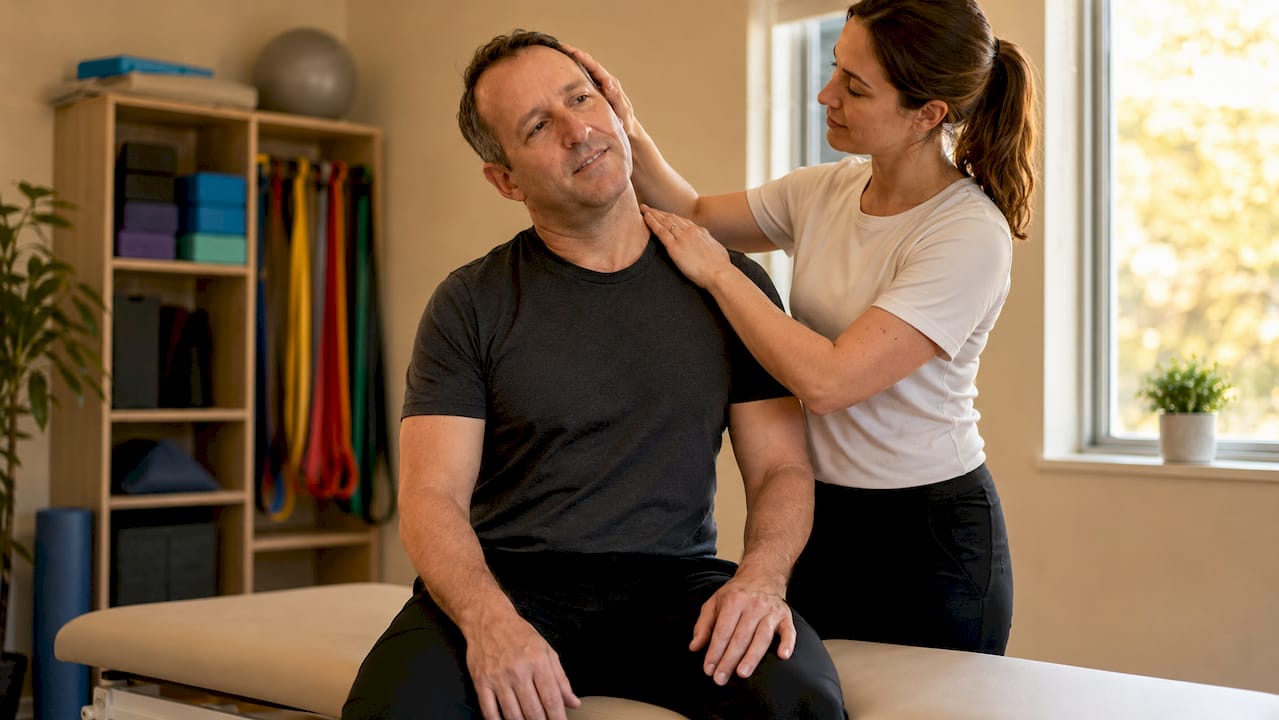
2. Early rest and pain relief
The first 72 hours after a crash are the most critical window in automobile injury recovery. Early evaluation within this period reduces the risk of chronic pain and establishes the medical records you need for insurance. Your provider will document injuries, manage acute pain, and apply gentle treatment to protect healing tissues.
Ice applied for 15–20 minutes at a time reduces swelling in the first 48 hours. After that, heat helps relax muscle spasms. Over-the-counter anti-inflammatories like ibuprofen address short-term pain, but they do not fix the structural damage underneath. Rest during this phase means avoiding aggravating activities, not complete immobility.
Pro Tip: Document every symptom, even minor ones, in writing on the day they appear. Soft tissue injuries like whiplash often show delayed symptoms, and early written records strengthen both your medical case and your insurance claim.
3. Chiropractic adjustments to restore joint mobility
Chiropractic care after a car accident directly targets the spinal misalignments that motor vehicle trauma causes. Vehicular impact creates interconnected muscle, ligament, and nerve injuries that a single-discipline approach cannot fully address. Spinal adjustments restore joint mobility, reduce nerve irritation, and set the foundation for physical therapy to build on.
Chiropractors use spinal manipulation, manual therapy, and mobilization techniques to correct the alignment disrupted by crash forces. Neck, shoulder, and lower back injuries are rarely isolated after a collision. They connect through the spine, which is why chiropractic methods for auto injuries treat the full kinetic chain rather than a single pain point.
Sparkmed specializes in spinal adjustments tailored to accident trauma, with practitioners experienced in the specific injury patterns that motor vehicle collisions produce. Patients can access a $25 chiropractic adjustment without requiring insurance, which removes the financial barrier to getting care started fast.
4. Physical therapy for muscle strengthening and flexibility
Physical therapy for auto injuries picks up where chiropractic care leaves off. Once joint mobility is restored, physical therapy stabilizes that mobility through targeted exercise. Therapists use manual therapy, therapeutic exercises, and patient education to support progressive recovery across several weeks.
A standard physical therapy program advances through three stages:
- Weeks 1–2: Pain relief, gentle range-of-motion work, and reducing muscle guarding
- Weeks 3–4: Mobility restoration, light strengthening, and postural correction
- Weeks 5–6+: Functional strength building, return to daily activities, and home exercise progression
Each stage builds on the last. Patients who skip ahead to strength work before resolving mobility deficits often reinjure the same structures.
Pro Tip: Ask your physical therapist for a written home exercise program from your first session. Patients who perform home exercises consistently recover faster than those who rely on clinic visits alone.
5. How chiropractic care accelerates recovery when combined with physical therapy
The most effective rehabilitation for auto injuries uses chiropractic and physical therapy together, not separately. A coordinated care model where chiropractic adjustments are followed promptly by physical therapy exercises prevents muscle guarding and chronic compensations more effectively than either treatment alone.
"Chiropractic adjustments restore joint mobility, which physical therapy then stabilizes through exercise. When chiropractors and physical therapists communicate directly, the result is a tag-team approach that yields measurably better healing outcomes for auto accident patients."
This coordination matters because adjusted joints need muscular support to hold their corrected position. Without the strengthening work that follows, the body reverts to its compensatory patterns within days. For patients recovering from neck or neck pain after trauma, this combined approach is especially critical because the cervical spine is both highly mobile and highly vulnerable.
6. Soft tissue therapies: massage and ultrasound
Soft tissue therapies treat the muscle and connective tissue damage that spinal adjustments and exercise alone cannot fully resolve. Soft tissue injuries are among the most common auto accident injuries and respond well to rest, heat and ice therapy, physical therapy, and targeted manual work. Therapeutic massage reduces muscle tension, improves circulation, and breaks down scar tissue that forms during healing.
Ultrasound therapy uses sound waves to penetrate deep tissue, reducing inflammation and accelerating cellular repair. It is particularly effective for ligament sprains and deep muscle strains that surface-level massage cannot reach. These modalities are typically covered by insurance when supported by a Letter of Medical Necessity from your physician.
7. Medical documentation and the Letter of Medical Necessity
Insurance companies resist covering treatments unless physicians provide clinical justification using detailed medical terminology. A Letter of Medical Necessity must be medically precise and detailed to successfully advocate for continued therapy coverage. Without it, insurers routinely deny claims for chiropractic care, massage, and physical therapy.
Your provider should document every symptom, every treatment, and every functional limitation from your first visit forward. Even minor complaints matter. Minor symptoms may indicate deeper trauma that becomes significant weeks later, and undocumented symptoms cannot be included in future claims. Keep copies of every report, referral, and treatment note.
8. Common types of auto accident injuries and how treatments vary
Different injury types require different treatment priorities. The table below outlines the most common categories and their primary treatment approaches.
| Injury type | Common symptoms | Primary treatments |
|---|---|---|
| Whiplash and soft tissue strains | Neck pain, stiffness, headaches | Chiropractic, physical therapy, massage |
| Lumbar sprains and disc injuries | Lower back pain, radiating leg pain | Spinal adjustments, core strengthening, traction |
| Bone fractures and dislocations | Localized pain, swelling, limited motion | Immobilization, then progressive rehab |
| Nerve-related injuries | Numbness, tingling, weakness | Urgent evaluation, nerve mobilization, targeted PT |
| Concussion and vestibular injury | Dizziness, balance issues, cognitive fog | Vestibular rehabilitation, specialist referral |
Nerve symptoms like numbness or tingling require urgent evaluation. Delayed treatment of nerve compression can lead to permanent deficits. Vestibular rehabilitation, a specialized form of physical therapy, can resolve dizziness and balance problems after crashes, often within a small number of focused sessions.
9. Rehabilitation for auto injuries: managing setbacks
Recovery from auto accident trauma is rarely a straight line. Rehabilitation progress is non-linear, and patients often experience setbacks driven by age, pre-existing conditions, and adherence to home exercise programs. A flare-up two weeks into therapy does not mean the treatment is failing. It usually means the tissue is still healing and the load needs to be adjusted.
The patients who recover fully are the ones who stay consistent through the difficult weeks. Communicate every setback to your care team immediately so they can modify your program. Stopping therapy when pain temporarily increases is the most common mistake in post-accident wellness recovery, and it is the primary driver of chronic pain after motor vehicle accidents.
10. When surgical intervention is needed
Surgery is the last resort in auto accident injury treatment, not the first response. Most soft tissue injuries, disc bulges, and joint injuries resolve with conservative care over 6–12 weeks. Surgery becomes necessary when nerve compression causes progressive weakness, when fractures are unstable, or when conservative treatment fails after a documented trial period.
If your provider recommends surgery early without a trial of physical therapy and chiropractic care, seek a second opinion. The evidence strongly supports conservative treatment as the first line for the majority of auto accident injuries. Surgery carries its own recovery demands and does not eliminate the need for physical therapy afterward.
11. How to manage car accident pain at home
Home management between clinic visits directly affects how fast you recover. Apply ice for the first 48 hours to reduce swelling, then switch to heat for muscle relaxation. Perform your prescribed home exercises daily, even on days when pain is low. Consistency between sessions is what converts clinic gains into lasting recovery.
Sleep position matters more than most patients realize. Sleeping on your back with a pillow under your knees reduces spinal load during the night. Avoid sleeping on your stomach, which rotates the cervical spine and aggravates neck injuries. For chiropractic recovery tips that extend beyond the clinic, small daily habits compound into significant healing over weeks.
Key Takeaways
The most effective auto accident injury treatments combine early evaluation within 72 hours, coordinated chiropractic and physical therapy care, and consistent rehabilitation to prevent chronic pain.
| Point | Details |
|---|---|
| Start treatment within 72 hours | Early evaluation reduces chronic pain risk and creates essential medical records for insurance. |
| Combine chiropractic and physical therapy | Chiropractic restores joint mobility; physical therapy stabilizes it through targeted exercise. |
| Document every symptom | A detailed Letter of Medical Necessity is required to secure insurance coverage for ongoing care. |
| Expect non-linear recovery | Setbacks are normal; consistent adherence to therapy drives long-term outcomes. |
| Address nerve symptoms urgently | Numbness or tingling after a crash requires immediate evaluation to prevent permanent damage. |
What I've learned about treating auto accident injuries the right way
After working with patients recovering from motor vehicle trauma, the pattern I see most often is this: people wait too long, rely too heavily on pain medication, and stop therapy the moment they feel better. All three choices lead to the same outcome. Chronic pain that could have been prevented.
The most important thing I tell every patient is that pain relief and actual healing are not the same event. Pain often fades before the underlying tissue has fully repaired. Stopping treatment at that point leaves you with a structure that looks fine until it fails again under normal load. The patients who come back six months later with the same injury are almost always the ones who stopped early.
The tag-team model between chiropractic and physical therapy is not a preference. It is the most evidence-supported approach for motor vehicle trauma. Adjustments without stabilizing exercise lose their effect within days. Exercise without addressing joint alignment builds strength on a crooked foundation. The two disciplines need each other, and they need to communicate directly about your case.
My other strong opinion: advocate for your documentation from day one. Do not assume your providers are coordinating your records for insurance purposes. Ask for copies. Ask what is in your file. A well-documented case protects you financially and medically for months after the accident.
— Spark
Sparkmed's approach to auto accident recovery
Recovering from a car accident requires more than rest. It requires a structured plan, experienced providers, and support navigating the insurance process.
Sparkmed offers spinal adjustments, rehabilitation programs, and coordinated care plans built specifically for motor vehicle accident patients in North Miami. Providers work directly with patients on medical documentation, including Letters of Medical Necessity, to support insurance claims for ongoing therapy. A $25 chiropractic adjustment is available without insurance, so you can start care immediately without waiting for coverage approval. Sparkmed's accessible healthcare services are available in English, Spanish, and Creole, making expert care reachable for the full North Miami community. Schedule a consultation and get your recovery started on a plan that actually works.
FAQ
How soon should I see a doctor after a car accident?
See a provider within 72 hours of the crash. Early evaluation reduces chronic pain risk and creates the medical records required for insurance claims.
Is chiropractic care effective after a car accident?
Yes. Chiropractic adjustments restore joint mobility disrupted by crash forces and are most effective when combined with physical therapy for stabilization. Learn more about why to adjust after a crash.
What is a Letter of Medical Necessity?
A Letter of Medical Necessity is a physician-written document that provides clinical justification for treatments like chiropractic care, massage, and physical therapy. Insurance companies require it to approve coverage for ongoing rehabilitation.
How long does recovery from auto accident injuries take?
Recovery timelines vary by injury type and severity. Most soft tissue injuries improve significantly within 6–12 weeks with consistent treatment, though complex cases take longer.
Can I do physical therapy and chiropractic care at the same time?
Yes, and you should. A coordinated care approach where both providers communicate directly produces better outcomes than either treatment alone.