

A car accident can leave you dealing with a confusing mix of neck pain, back stiffness, headaches, and limited mobility that just won't resolve on its own. Many accident survivors spend weeks cycling through pain medications that mask symptoms without fixing the underlying problem. Chiropractic care offers a drug-free, evidence-backed approach that targets the source of musculoskeletal injuries, not just the discomfort. This article breaks down the most researched chiropractic methods used for post-accident recovery, what the science actually says, and how to match the right technique to your specific injury.
Table of Contents
- Chiropractic BioPhysics for lasting posture and pain relief
- Spinal manipulation therapy: Fast pain relief and mobility gains
- Navigating the evidence: Whiplash, chiropractic, and mixed results
- Comparing chiropractic methods for car accident recovery
- Safety insights: Adverse events and precautionary tips
- Why your car accident recovery deserves a personalized chiropractic plan
- Ready to enhance your recovery with expert chiropractic care?
- Frequently asked questions
Key Takeaways
| Point | Details |
|---|---|
| CBP improves posture and pain | Chiropractic BioPhysics measurably restores spinal alignment and reduces pain after car accidents. |
| SMT offers fast relief | Spinal manipulation therapy brings short-term pain and function improvements, especially for acute injuries. |
| Evidence for whiplash is mixed | Research finds chiropractic outcomes for whiplash vary, so a holistic approach works best. |
| Most side effects are mild | Common post-chiropractic symptoms include temporary soreness that rarely needs extra treatment. |
| Personalized plans maximize healing | Combining the right chiropractic methods with your rehab needs can speed and strengthen accident recovery. |
Chiropractic BioPhysics for lasting posture and pain relief
Let's start with one of the most measurable evidence-based systems for post-injury healing.
Chiropractic BioPhysics, commonly called CBP, is a specialized protocol that uses precise measurements, mirror-image adjustments, and traction exercises to restore the spine's natural curves. Unlike general spinal adjustments, CBP takes a structural engineering approach. Your chiropractor maps your spine with X-rays, identifies where alignment has shifted from normal, and designs a correction plan based on those specific deviations.
This matters a lot after a car accident. A collision can knock your cervical curve (the natural C-shaped curve in your neck) out of its ideal angle, leading to forward head posture, chronic muscle tension, and persistent pain. Research shows that CBP protocols improve cervical lordosis and reduce kyphosis deformities following motor vehicle collisions, leading to measurable symptom relief and better posture over time.
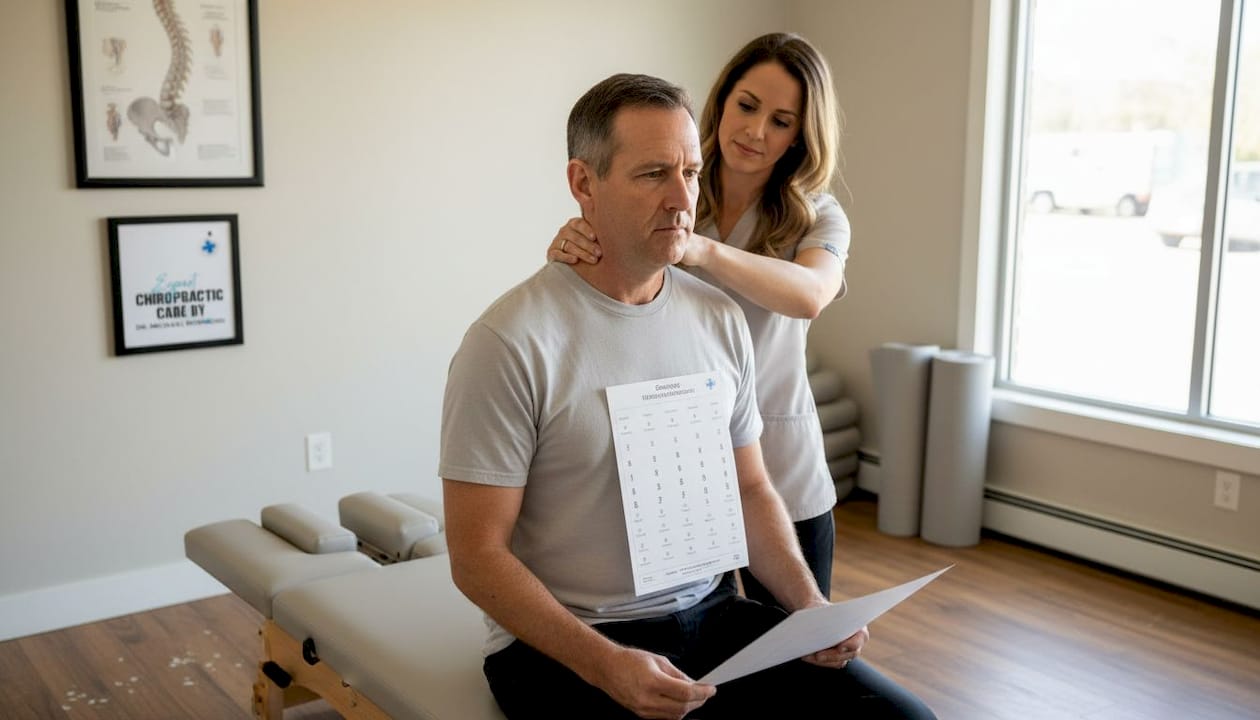
Here is a quick look at what CBP targets after a car accident:
| CBP Target Area | Common Post-Accident Problem | Outcome Goal |
|---|---|---|
| Cervical lordosis | Loss of neck curve | Restore natural C-curve |
| Thoracic alignment | Rounded upper back | Reduce kyphosis angle |
| Forward head posture | Head shifting forward | Realign head over shoulders |
| Lumbar curve | Flat or exaggerated curve | Stabilize and normalize curve |
Who benefits most from CBP? People with documented spinal curvature changes, chronic neck pain after whiplash, or posture-related headaches tend to see the strongest improvements. Because CBP relies on treatment types for faster recovery that combine adjustments, traction, and exercise, it tends to produce lasting structural change rather than temporary relief.
Evidence-based management reviews confirm that CBP shows radiographic improvements and long-term reductions in pain and disability in motor vehicle collision cases, something that general spinal manipulation alone does not always achieve.
Pro Tip: Ask your chiropractor to include a simple set of home-based mirror-image posture exercises alongside your clinic sessions. These exercises reinforce the spinal corrections made during CBP and can cut your recovery timeline noticeably.
Key benefits patients report with CBP:
- Gradual improvement in neck range of motion
- Reduction in tension headaches linked to forward head posture
- Visible posture changes in progress X-rays
- Less reliance on pain medications over time
- Improved sleep quality as spinal tension decreases
Spinal manipulation therapy: Fast pain relief and mobility gains
While CBP targets the structure, many chiropractors use another technique for more immediate relief.
Spinal manipulation therapy, or SMT, is the classic hands-on chiropractic adjustment. The chiropractor applies a controlled, quick force to a specific spinal joint to restore its normal range of motion, reduce nerve irritation, and release muscle guarding. Most people recognize this as the technique that creates the familiar popping sound during an adjustment.
For acute injuries from car accidents, SMT can be remarkably fast at reducing pain and restoring movement. Systematic reviews confirm SMT provides short-term pain relief and improved function for acute neck and low back pain, both of which are extremely common in collision injuries.
Here is what a typical evidence-informed SMT plan looks like after a car accident:
- Initial assessment: Your chiropractor evaluates pain level, range of motion, and any neurological symptoms to confirm SMT is appropriate for your injury type.
- First adjustment session: Gentle techniques are used first, especially if acute inflammation is present, to avoid overstimulating irritated tissues.
- Follow-up within 48 to 72 hours: Frequent early sessions help reset joint mobility before scar tissue and guarding patterns become fixed.
- Reassessment at sessions 3 to 5: Progress is measured objectively using pain scales and movement tests to confirm the treatment is working.
- Plan adjustment: Based on your response, the frequency, force level, and focus areas shift to match your healing stage.
It is worth noting that while SMT delivers genuine benefits, Cochrane evidence indicates small effects and points to the importance of combining SMT with other treatments rather than relying on it as a solo solution. This is not a knock against chiropractic care. It is actually a strong argument for using SMT as one tool within a broader, personalized recovery plan.
To truly relieve pain and recover faster after a crash, pairing SMT with soft tissue therapy, targeted exercises, and lifestyle guidance produces better results than adjustments alone.
Pro Tip: If you are not noticing any improvement in pain or mobility after 3 to 5 SMT sessions, ask your chiropractor to reassess your diagnosis. It may be time to add another modality or investigate whether there is an undetected injury that needs a different approach. Understanding chiropractic therapy for relief and recovery helps you ask better questions at every appointment.
Navigating the evidence: Whiplash, chiropractic, and mixed results
SMT and CBP can have powerful effects, but real-world outcomes are more nuanced for whiplash injuries.
Whiplash is the most common car accident injury. It happens when the head snaps forward and backward rapidly, straining the ligaments, muscles, and joints of the cervical spine. Most people expect a straightforward fix. The reality is more complicated.
"Cochrane reviews find insufficient high-quality evidence to fully support or refute conservative treatments including SMT for whiplash-associated disorders." — Cochrane evidence on conservative interventions for whiplash
This does not mean chiropractic doesn't help with whiplash. It means the research is still catching up to what clinicians see every day in practice. The quality and volume of clinical trials on whiplash-specific chiropractic protocols are lower than we would like, which limits the strength of any blanket recommendation.
Here is a realistic breakdown of when chiropractic tends to help most with whiplash, and when it needs support from other approaches:
Chiropractic is most helpful when:
- Pain is primarily coming from restricted cervical joints
- Symptoms started within days of the accident
- Imaging shows no fractures, disc herniation, or cord injury
- The patient can tolerate hands-on treatment without increased symptoms
Chiropractic may need to be part of a broader plan when:
- Symptoms include numbness, tingling, or radiating arm pain
- Pain has persisted for more than three months without improvement
- Psychological factors like anxiety or post-traumatic stress are present
- Dizziness or vision changes accompanied the neck injury
Getting familiar with terms in chiropractic care helps you understand what your provider is describing and ask better follow-up questions. Learning about affordable recovery techniques can also open up more options if your care plan needs to expand beyond standard adjustments.
One clear positive from the research: severe adverse events from chiropractic treatment for whiplash are rare. This makes it a reasonable first-line option to try when other red flags are absent. Understanding how local chiropractors can help with these nuanced decisions is a key part of building an effective recovery strategy.
Comparing chiropractic methods for car accident recovery
With several approaches and evidence levels, a head-to-head comparison can help clarify your options.
The table below puts the three main chiropractic strategies side by side so you can see at a glance where each one shines and where its limitations lie.
| Approach | Evidence strength | Typical timeframe | Post-accident benefit | Side effects |
|---|---|---|---|---|
| Chiropractic BioPhysics (CBP) | Moderate to strong for structural correction | 12 to 36 weeks | Spinal realignment, long-term pain reduction | Temporary soreness, fatigue |
| Spinal Manipulation Therapy (SMT) | Moderate for short-term pain relief in acute cases | 4 to 12 weeks | Immediate mobility gains, pain relief | Soreness, stiffness for 24 to 48 hours |
| Multimodal chiropractic care | Strongest overall based on evidence-based recommendations | Ongoing, adjusted to patient | Addresses structure, pain, function, and lifestyle | Varies by modalities used |
A few important notes about this table. The timeframes are estimates and will vary based on injury severity, how quickly you start care, and your overall health. Also, "multimodal" means combining chiropractic adjustments with exercise therapy, soft tissue work, nutritional support, and sometimes psychological support for pain management.
Building a strong chiropractic follow-up routine is critical for all three approaches. Patients who stay consistent with appointments and home care routines recover faster and maintain their results longer than those who come in sporadically. Understanding why chiropractic care for recovery works differently for each person also helps set realistic expectations from the start.
Safety insights: Adverse events and precautionary tips
Regardless of the chiropractic methods chosen, safety and smart self-monitoring are essential for every patient.
The good news: chiropractic is among the safer manual therapies available for musculoskeletal injuries. A prospective study on adverse events in older adults receiving chiropractic care found that adverse events were mostly mild to moderate, involving temporary soreness or stiffness, with rare severe events and no catastrophic outcomes reported even in that higher-risk population.
For car accident patients in general, the picture is similarly reassuring. Here are the most common post-adjustment experiences and what to watch for:
Normal post-adjustment symptoms (no cause for alarm):
- Mild soreness in the treated area, similar to post-workout fatigue
- Temporary increase in stiffness within the first 12 to 24 hours
- Slight fatigue after longer or more intense sessions
- Brief headache that resolves within a few hours
Symptoms that warrant a call to your chiropractor:
- Sharp, worsening nerve pain after adjustment
- Numbness or tingling that is new or significantly worse
- Sudden severe headache or vision changes
- Pain that escalates rather than settling down over 48 hours
Certain groups should take extra precautions. People with osteoporosis (weakened bones), a history of stroke, uncontrolled blood pressure, or spinal instability from ligament damage should have a thorough evaluation before starting high-velocity adjustments. The good news is that experienced chiropractors use gentler instrument-assisted or low-force techniques as an alternative when needed. Understanding the equipment used in chiropractic practice helps you know what options exist beyond the hands-on adjustment.
Following a clear step-by-step recovery plan with your provider reduces the chance of setbacks and keeps your healing on track.
Pro Tip: Keep a short daily symptom log during your first two weeks of chiropractic care. Track pain levels, sleep quality, and any unusual sensations. This information helps your chiropractor fine-tune your treatment quickly and creates a useful record if you are dealing with an insurance claim related to your accident.
Why your car accident recovery deserves a personalized chiropractic plan
Here is something the research rarely says out loud but that every experienced clinician knows: the method matters less than the match.
Two people can walk into the same clinic with nearly identical whiplash injuries and have completely opposite responses to the same chiropractic technique. One person improves in four sessions. The other plateaus at six weeks. The difference is almost never the technique itself. It is the fit between the technique, the provider's skill in applying it, and how well the patient understands and engages with the plan.
We see this regularly in clinical practice. Patients who ask questions, report symptoms honestly, and commit to their home exercise routines recover faster than those who show up passively, expecting the adjustment to do all the work. This is not about motivation or willpower. It is about the nervous system. Active engagement in recovery genuinely changes how the brain processes pain signals.
The problem with "one-size-fits-all" chiropractic promises is that they treat your injury like a standard product. Real recovery from a car accident is a moving target. Your pain pattern changes, your posture compensation shifts, and your nervous system adapts. A good chiropractor reassesses regularly and changes the plan when the evidence from your own body says it is time.
Understanding local expertise in chiropractic care also matters. A provider who works regularly with car accident patients in your community knows the injury patterns, the insurance landscape, and the practical realities of your daily life in a way that a generic clinic cannot replicate.
Ready to enhance your recovery with expert chiropractic care?
If you have been living with pain, stiffness, or limited movement since your accident, you deserve a plan built around your specific injuries, not a generic protocol applied to everyone who walks through the door.
At Spark Chiropractic in North Miami, we specialize in post-accident recovery using evidence-backed techniques including CBP and spinal manipulation, delivered by experienced practitioners with modern equipment. You can get started with a $25 chiropractic adjustment, no insurance required. We serve our community in English, Spanish, and Creole, making expert care accessible to everyone. For more guidance, explore our full library of chiropractic recovery guides and take the first step toward real, lasting relief.
Frequently asked questions
How soon after a car accident should I see a chiropractor?
You can often start chiropractic assessment within days of your accident if cleared by your physician. Early intervention tends to produce better outcomes by preventing compensatory posture patterns and muscle guarding from becoming chronic.
Is chiropractic safe for whiplash injuries?
Research finds mild and temporary side effects are most common, and serious adverse events are rare. However, evidence for benefit in whiplash is mixed, making a personalized assessment essential before starting any protocol.
What are common side effects after chiropractic treatment?
Most people experience minor soreness or stiffness that resolves in a day or two. Studies on chiropractic adverse events confirm that severe or lasting complications are extremely rare.
Can chiropractic worsen car accident injuries?
Harmful outcomes are extremely rare when care is provided by qualified chiropractors and proper precautions are taken. Research confirms that adverse events from SMT are predominantly mild and temporary, with catastrophic events representing a very small fraction of reported cases.