

Chronic pain management is the process of using a combination of therapies, lifestyle changes, and psychological tools to reduce pain's impact on daily life and improve overall function. It is not about eliminating pain entirely. The goal is to help you live better despite it. Approximately 24% of U.S. adults experience chronic pain, with 8.5% living with high-impact pain that limits daily activities. That scale makes understanding pain management one of the most pressing health priorities today. Chronic pain is defined as pain lasting longer than three months, often persisting well after the original injury or illness has resolved.
What is chronic pain management and why does it matter?
Chronic pain management is a structured, multidisciplinary process targeting the physical, psychological, and social factors that keep pain alive in the nervous system. The standard clinical term for this approach is multimodal pain management, and it replaces the outdated idea that pain always signals active tissue damage. Many people living with chronic back pain, fibromyalgia, or post-accident pain assume that more pain means more injury. That assumption is wrong, and correcting it is the first step toward real progress.
Chronic pain persists due to nervous system sensitization, a process where the brain and spinal cord become overactive and amplify pain signals even without ongoing tissue damage. This is called nociplastic pain. It means your nervous system has learned to produce pain as a protective response, even when the original threat is gone. Understanding this isn't just reassuring. It's the foundation for choosing treatments that actually work.
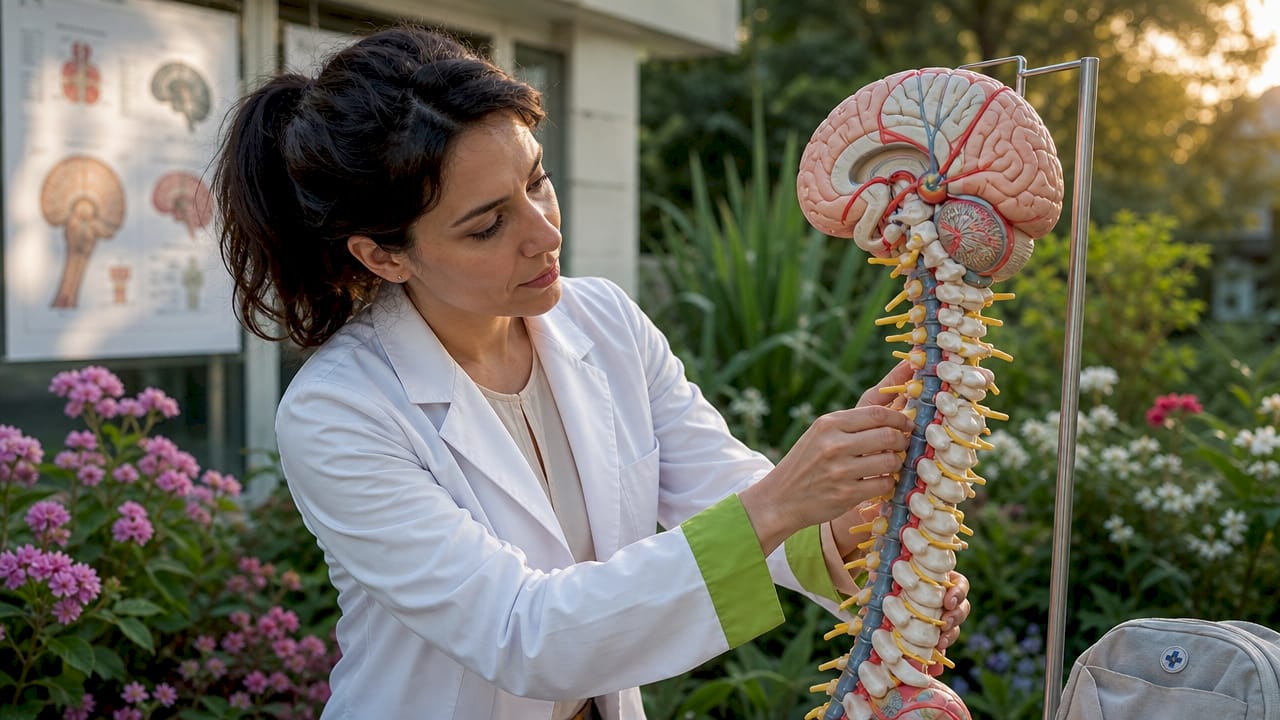
The biopsychosocial model frames chronic pain as the result of interacting physical, emotional, and social factors rather than a purely mechanical problem. A car accident injury, for example, may heal structurally within weeks, but stress, fear of re-injury, poor sleep, and social isolation can keep the pain system activated for months or years. Treating only the physical component misses most of the picture.
What are the core therapies used in chronic pain treatment?
Non-pharmacological, multidisciplinary approaches are the first-line treatment for chronic pain. Opioids are not recommended as a starting point. This is a significant shift from how pain was managed even a decade ago, and it reflects strong clinical evidence that movement, psychology, and education outperform medication alone for long-term outcomes.
Physical therapies and graded exercise
Exercise is the only treatment with strong evidence of efficacy for chronic primary pain, according to UK NICE guidelines. The type of exercise matters less than whether you enjoy it and can sustain it. Walking, swimming, yoga, and cycling all qualify. The key principle is graded exposure: starting at a manageable level and increasing gradually, which retrains the nervous system to associate movement with safety rather than threat.
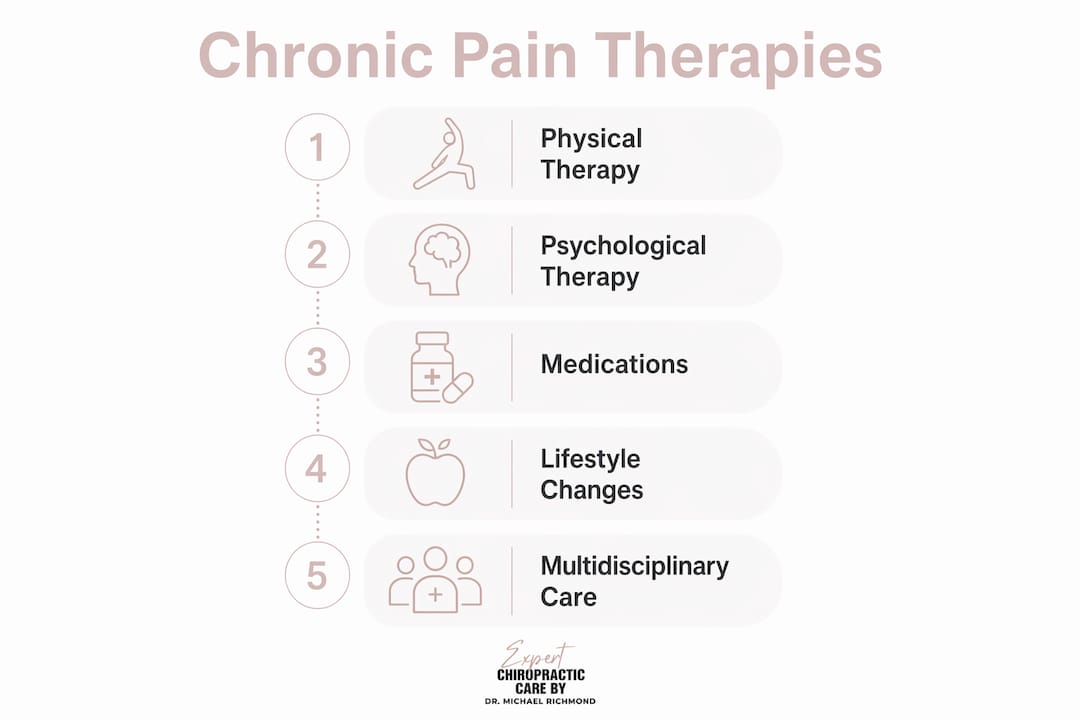
Physical therapy from a licensed physiotherapist typically includes manual therapy, targeted strengthening, and movement coaching. Spinal adjustments and chiropractic care also fall within this category, with evidence supporting their role in reducing musculoskeletal pain and improving mobility.
Psychological therapies
Cognitive Behavioral Therapy (CBT) and Acceptance and Commitment Therapy (ACT) are the two most researched psychological approaches for chronic pain. CBT reduces disability and distress rather than pain intensity directly. Think of it like learning a language: it requires consistent daily practice, and the results build over weeks and months, not days. ACT and Pain Reprocessing Therapy focus on retraining the nervous system's threat response, helping patients change their relationship with pain rather than fighting it.
Medications and their role
Medications play a supporting role, not a leading one. Antidepressants such as duloxetine, anticonvulsants like gabapentin, and topical agents like lidocaine patches are commonly used as adjuncts. Ineffective medications should be tapered and discontinued to avoid polypharmacy and compounding side effects. The goal is the smallest effective pharmacological load alongside active therapies.
| Therapy type | Primary benefit | Key consideration |
|---|---|---|
| Graded exercise | Retrains nervous system, improves function | Must be enjoyable for long-term adherence |
| CBT / ACT | Reduces disability, distress, and fear-avoidance | Requires consistent active engagement |
| Chiropractic care | Improves mobility, reduces musculoskeletal pain | Best combined with movement and education |
| Medications (adjuncts) | Reduces signal amplification, aids sleep | Monitor closely; taper if ineffective |
| Multidisciplinary programs | Addresses all pain dimensions simultaneously | Most effective for complex or long-standing pain |
Pro Tip: Ask your care team to include a physiotherapist, psychologist, and your GP in your treatment plan. Care teams that include all three produce better functional outcomes than single-provider approaches.
How do lifestyle changes support chronic pain relief?
Lifestyle modifications are not optional extras in chronic pain management. They are core treatment components. The nervous system is sensitive to sleep quality, nutrition, stress levels, and physical activity, and each of these either amplifies or dampens the pain response.
Here are the most evidence-supported lifestyle adjustments you can make:
- Sleep hygiene: Poor sleep increases pain sensitivity the following day. Aim for consistent sleep and wake times, limit screens before bed, and keep your bedroom cool and dark. Treating insomnia directly often reduces pain scores without any other intervention.
- Anti-inflammatory nutrition: Diets rich in vegetables, omega-3 fatty acids (found in salmon, walnuts, and flaxseed), and whole grains reduce systemic inflammation. Ultra-processed foods, excess sugar, and alcohol worsen inflammation and disrupt sleep.
- Paced activity: Doing too much on a good day and crashing the next is called the boom-bust cycle. Pacing means spreading activity evenly across the day and week, which prevents flare-ups and builds tolerance gradually.
- Mindfulness and stress reduction: Mindfulness-Based Stress Reduction (MBSR), developed at the University of Massachusetts Medical School, has strong evidence for reducing pain-related distress. Even ten minutes of daily breath-focused meditation lowers the nervous system's threat response over time.
- Quit smoking: Smoking worsens circulation, increases inflammation, and is independently associated with higher chronic pain severity. Stopping smoking is one of the highest-return changes you can make.
Pro Tip: Consistency in low-intensity daily activities like a 15-minute gentle walk is more effective long-term than sporadic intense treatments. Build the habit before building the intensity.
Why does chronic pain persist even after an injury heals?
The answer lies in neuroplasticity. The brain and spinal cord physically change in response to prolonged pain signals, creating what researchers call central sensitization. Pain pathways become more efficient at firing, and the threshold for triggering pain drops. This is why someone with fibromyalgia may feel severe pain from light touch, or why a healed back injury still produces daily discomfort years later.
The fear-avoidance cycle is one of the most damaging patterns in chronic pain. When movement causes pain, the natural response is to avoid that movement. But avoidance leads to deconditioning, increased nervous system sensitivity, and greater pain with less activity. Supervised graded movement breaks this cycle by sending safety signals to the brain, gradually recalibrating the pain threshold upward.
| Pain mechanism | What it means for you | Treatment target |
|---|---|---|
| Central sensitization | Nervous system amplifies signals beyond injury | Graded movement, CBT, sleep |
| Fear-avoidance | Reduced movement worsens sensitivity | Graded exposure, education |
| Nociplastic pain | Pain without active tissue damage | Pain reprocessing, ACT |
| Psychological distress | Anxiety and depression amplify pain signals | CBT, mindfulness, social support |
Pro Tip: Pain intensity does not equal injury severity. A pain score of 8 out of 10 does not mean your body is more damaged than when you scored 4. Understanding this distinction reduces fear and makes graded movement feel safer.
Practical coping strategies for daily pain management
Managing chronic pain day to day requires a structured approach, not just willpower. These steps give you a framework to work from:
- Learn your pain. Read about nociplastic pain and central sensitization. Pain education alone, sometimes called Explain Pain (developed by researchers Lorimer Moseley and David Butler), reduces pain intensity and fear in clinical trials.
- Keep a functional impact diary. A functional impact diary records which specific activities pain limits, at what times, and under what conditions. This gives your clinician the data needed to set realistic, measurable goals.
- Practice graded exposure. Identify one avoided activity, break it into five smaller steps, and work through them over two to four weeks. This retrains your nervous system to tolerate that movement without triggering a threat response.
- Use complementary therapies strategically. Acupuncture, chiropractic care, and massage provide additional benefit for some people with chronic pain. They work best as part of a broader plan rather than as standalone treatments.
- Set functional goals, not pain goals. Instead of "I want my pain to be a 2," aim for "I want to walk to the mailbox without stopping." Functional goals are measurable, motivating, and within your control.
- Work with your team, not around them. Share your diary, your goals, and your setbacks with your GP, physiotherapist, and psychologist. Collaborative care produces better outcomes than any single therapy in isolation. Individualized chiropractic care is one example of how a personalized team approach addresses the full picture.
Pro Tip: Avoid the fear-avoidance trap by reframing pain during movement as "my nervous system is recalibrating" rather than "I am causing damage." This cognitive shift, supported by ACT principles, reduces the emotional charge of pain and makes consistent movement more sustainable.
Key takeaways
Effective chronic pain management targets the nervous system, behavior, and lifestyle together. Treating only the physical component produces limited, short-term results.
| Point | Details |
|---|---|
| Pain persists beyond injury | Central sensitization keeps pain active without ongoing tissue damage. |
| Multidisciplinary care works best | GPs, physiotherapists, and psychologists together outperform single-provider treatment. |
| Exercise is the top evidence-based tool | Graded, enjoyable movement retrains the nervous system and improves function. |
| Lifestyle changes are core treatment | Sleep, nutrition, pacing, and stress management directly affect pain sensitivity. |
| Functional goals beat pain-score goals | Measuring what you can do, not how much it hurts, drives lasting improvement. |
What I've learned from working with chronic pain patients
After years of working alongside people managing chronic pain, the single most consistent pattern I've observed is this: the patients who improve most are not the ones who found the perfect medication or the most aggressive treatment. They are the ones who stopped waiting for pain to disappear before they started living.
That sounds simple. It isn't. Chronic pain is exhausting, demoralizing, and often invisible to people around you. The pressure to "just push through" is as unhelpful as the pressure to rest completely. What actually works is the middle path: consistent, structured engagement with movement, psychology, and self-knowledge, applied every day even when progress feels invisible.
The biopsychosocial model is not a way of saying your pain is "in your head." It is a way of saying your pain is real, complex, and responsive to more than one type of treatment. Patients who accept that complexity tend to build better relationships with their care teams, set more realistic goals, and sustain improvements longer. The ones who resist it often cycle through treatments looking for the one that will finally "fix" them.
My honest observation is that pain education is the most underused tool in chronic pain care. When patients genuinely understand why their nervous system is producing pain, fear drops, avoidance drops, and movement becomes possible again. That shift in understanding is often the turning point.
— Spark
How Sparkmed supports your pain management plan

Sparkmed's team in North Miami takes a patient-centered approach to chronic pain, combining chiropractic care, spinal adjustments, and personalized wellness plans designed around your specific functional goals. Whether your pain stems from a car accident, a long-standing condition, or nervous system sensitization, Sparkmed builds a treatment plan that addresses the full picture, not just the symptom. The clinic offers drug-free, hands-on treatment options that complement psychological and lifestyle therapies. Appointments are available without insurance for as little as $25. Visit the Sparkmed accessibility page to learn about patient support resources and book your first consultation.
FAQ
What does chronic pain management actually involve?
Chronic pain management combines physical therapies, psychological approaches like CBT and ACT, medications, and lifestyle changes to reduce pain's impact on daily function. The goal is improving quality of life, not necessarily eliminating pain entirely.
Is exercise safe when you have chronic pain?
Exercise is the only treatment with strong clinical evidence of efficacy for chronic primary pain. Graded, low-impact movement such as walking or swimming retrains the nervous system and reduces sensitivity over time.
Why does my pain continue even though my injury has healed?
Chronic pain often persists due to central sensitization, where the nervous system becomes overactive and produces pain signals without ongoing tissue damage. This is called nociplastic pain and responds to movement, education, and psychological therapies.
Do I need opioids to manage chronic pain?
Clinical guidelines identify non-pharmacological approaches as first-line treatment and do not recommend opioids as a starting point. Adjunct medications like duloxetine or topical agents may support treatment but work best alongside active therapies.
How do I start managing chronic pain on my own?
Begin with a functional impact diary to track which activities pain limits, then work with a care team including a GP, physiotherapist, and psychologist to set graded movement goals. Complementary therapies like chiropractic care and acupuncture can provide additional benefit as part of a broader plan.