
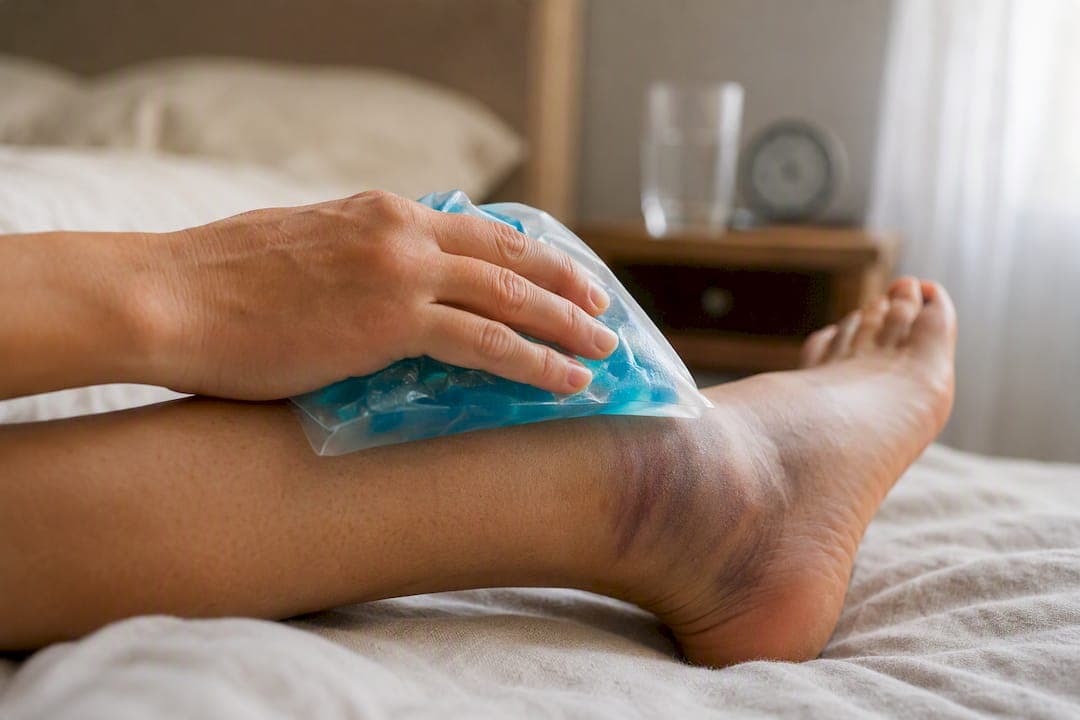
A sprain is a ligament injury; a strain is a muscle or tendon injury. Sprains usually show up at the ankle, knee, or wrist, while strains hit the back, neck, or hamstring. Start both with RICE, and get evaluated right away if you can't bear weight, have severe pain, or notice a visible deformity.
TL;DR:
- Most sprains are caused by twisting injuries that force a joint beyond its normal range, while strains result from overstretching or overuse of muscles.
- Grade 3 injuries typically involve a pop, severe pain, and significant loss of function, requiring immediate medical assessment and often imaging.
- Recovery duration varies from days to months depending on injury grade, with active rehab being crucial to prevent stiffness and instability.
- Proper initial treatment includes RICE and controlled movement, avoiding prolonged immobilization that can hinder healing.
- Preventative measures like warm-up routines, strength, balance exercises, and suitable footwear significantly reduce injury risk.
Table of Contents
- Sprain vs Strain: What Tissue Is Actually Injured?
- What Symptoms Point to a Sprain or a Strain?
- How Do Doctors Diagnose and Grade These Injuries?
- Sprain Treatment Options: RICE and What Comes Next
- Strain Symptoms and Recovery: How Long Should Healing Take?
- How Can You Prevent Sprains and Strains?
- When Clinic Care or Chiropractic Treatment Helps
- Why Most People Get the "Wait It Out" Advice Wrong
- Sources
Sprain vs Strain: What Tissue Is Actually Injured?
The confusion between these two injuries comes down to anatomy. Ligaments connect bone to bone and stabilize joints. Tendons connect muscle to bone. Muscle itself is the tissue that contracts to create movement. A sprain stretches or tears a ligament, while a strain injures the muscle or its tendon.
That distinction explains why each injury shows up in different places on the body:
- Sprains cluster around joints: ankles from rolling on uneven ground, knees from a sudden pivot, wrists from bracing a fall.
- Strains cluster around muscle groups that get overloaded: the lower back from lifting wrong, the hamstring from sprinting, the neck from whiplash-type motion.
- Sprains typically result from a twist or wrench that forces a joint past its normal range.
- Strains typically result from a pull, overstretch, or repetitive overuse that fatigues the muscle fibers.
If your pain sits directly over a joint, think sprain. If it sits in the belly of a muscle, think strain.
What Symptoms Point to a Sprain or a Strain?
Both injuries share a baseline set of symptoms: pain, swelling, bruising, and difficulty moving the area normally. Beyond that, the signs start to diverge.
A sprain tends to bring joint instability, tenderness concentrated right on the joint line, and sometimes an audible "pop" at the moment of injury. A strain more often produces muscle spasm, sharp pain when you actively contract that muscle, and noticeable weakness rather than joint looseness.
Watch for these red flags, which mean you need urgent evaluation rather than home care:
- You cannot put weight on the limb at all.
- The joint or limb looks visibly deformed.
- Numbness or tingling develops below the injury.
- Pain is severe and not improving after 48 to 72 hours.
Sprains and strains are graded on a scale of 1 to 3, and grade 3 injuries commonly produce that pop, along with extreme pain and a real loss of function. If that's what you're feeling, skip the wait-and-see approach.
How Do Doctors Diagnose and Grade These Injuries?
Clinicians use a three-tier grading system for both sprains and strains, and it drives almost every decision that follows:
- Grade 1 means mild stretching with microscopic tearing. Tenderness is present, but the joint or muscle still works.
- Grade 2 means partial tearing. You'll see joint laxity or measurable muscle weakness, and movement is noticeably limited.
- Grade 3 means a complete tear. Expect significant instability, inability to use the limb, and often that pop at the moment of injury.
To sort out where an injury falls, a clinician checks where the tenderness sits, tests the joint for laxity with specific stress maneuvers, and asks the patient to actively contract the muscle. An orthopedic rule of thumb: if the muscle can't contract at all, suspect a severe strain or rupture; if the joint gives way under a stress test, suspect a higher-grade sprain.
Tenderness located directly over a bone increases the odds of a fracture, which is when an x-ray gets ordered. An MRI comes into play when a clinician suspects a complete ligament or tendon tear that might need surgical repair. Some clinics can triage milder cases through a virtual visit first, but anything worsening or fracture-suspicious still needs an in-person look and imaging.
Sprain Treatment Options: RICE and What Comes Next
RICE (Rest, Ice, Compression, Elevation) is still the right first move for both sprains and strains, and doing it correctly matters more than people assume.
- Rest the area initially but avoid total immobility beyond the earliest phase.
- Ice the area intermittently during the initial days to reduce swelling.
- Compression with an elastic wrap can help control swelling without cutting off circulation.
- Elevate the injured limb above heart level whenever possible.
Over-the-counter anti-inflammatories like ibuprofen can ease pain and swelling, but check with a doctor before combining them with other medications or if you have kidney or stomach issues. For grade 2 injuries, a brace or short immobilization period often helps, followed by guided physical therapy. Grade 3 tears, particularly complete ligament or tendon ruptures, sometimes require surgical repair.
Pro Tip: Don't stay immobilized longer than necessary. Prolonged rest without controlled movement can lead to stiffness, muscle atrophy, and lingering instability, so most clinicians want you starting gentle, guided motion as soon as it's tolerable. A safe mobility progression plan can help you know when and how to start moving again.
Strain Symptoms and Recovery: How Long Should Healing Take?
Recovery time tracks closely with the grade of injury. A grade 1 sprain or strain typically resolves in days to two weeks. Grade 2 injuries usually run four to eight weeks, with structured rehab in the mix. Grade 3 tears can take three to six months, sometimes longer if surgery was involved.
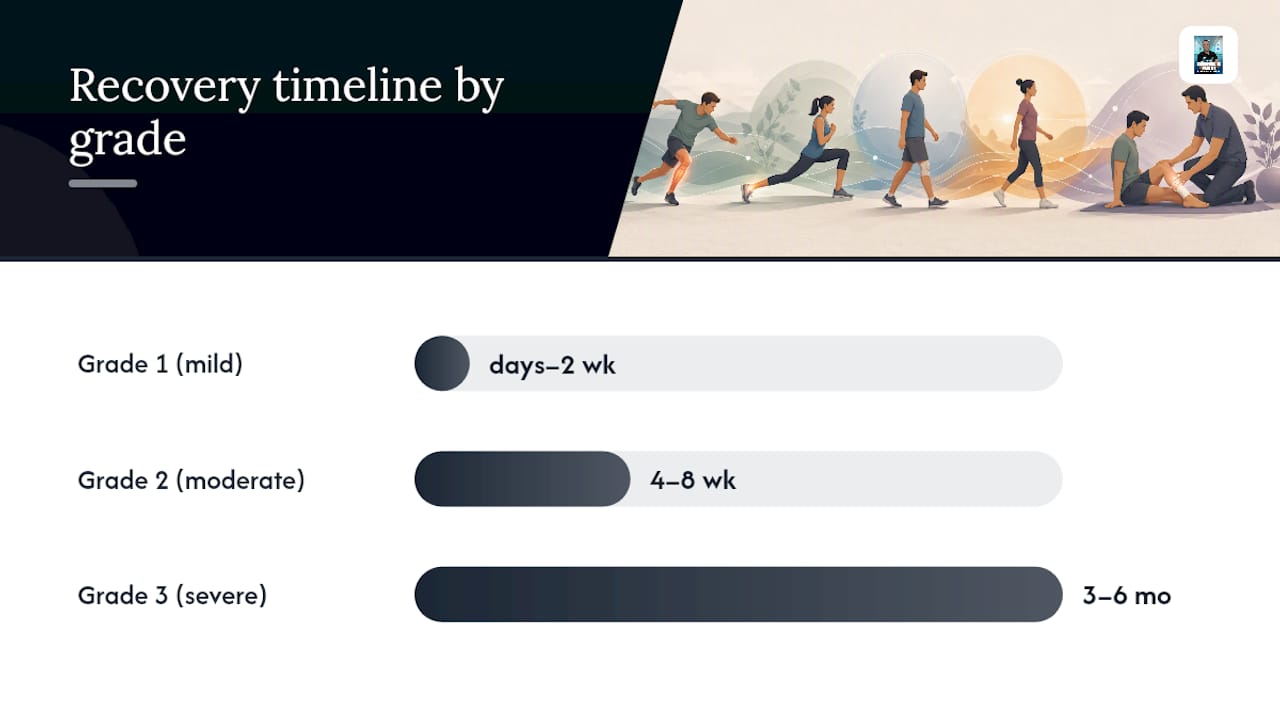
Rehab generally moves through phases: reducing pain and swelling first, then restoring pain-free range of motion, then rebuilding strength, then functional retraining specific to your sport or job.
A few factors reliably slow things down:
- Age and pre-existing joint or muscle conditions.
- Skipping rehab exercises once the acute pain fades.
- Returning to activity too soon and reinjuring the same tissue.
- Poor blood flow or nutrition status affecting tissue repair.
Persistent weakness or instability after the expected window is a signal to get reassessed rather than push through it. Sparkmed's breakdown of musculoskeletal injury recovery covers this timeline in more detail.
How Can You Prevent Sprains and Strains?
Most sprains and strains are preventable with basic habits, and public health guidance consistently points to the same short list: warm-up routines, mobility work, strength training, and balance exercises all measurably cut injury risk. Footwear matters too. Worn-out shoes with no ankle support are a common setup for a rolled ankle.
Before returning to sport, work, or heavy activity, run through this checklist:
- Confirm you have pain-free range of motion in the injured area.
- Test strength against the uninjured side. Aim for roughly 80% before pushing harder.
- Perform activity-specific movements (cutting, lifting, sprinting) at low intensity first.
- Get clinician clearance if you had a grade 2 or 3 injury.
Athletes dealing with recurring ankle sprains may benefit from sport-specific ankle sprain prevention strategies built around cutting and jumping mechanics.
When Clinic Care or Chiropractic Treatment Helps
Home care handles most grade 1 injuries, but plenty of sprains and strains land in a gray zone: painful enough to worry you, not clearly severe enough for the emergency room. That's where a clinic evaluation earns its place. Sparkmed's approach starts with a hands-on assessment to confirm the tissue involved and its grade, then builds a rehab progression around it, often combined with modalities like ultrasound, shockwave therapy, or heat and cold treatment.
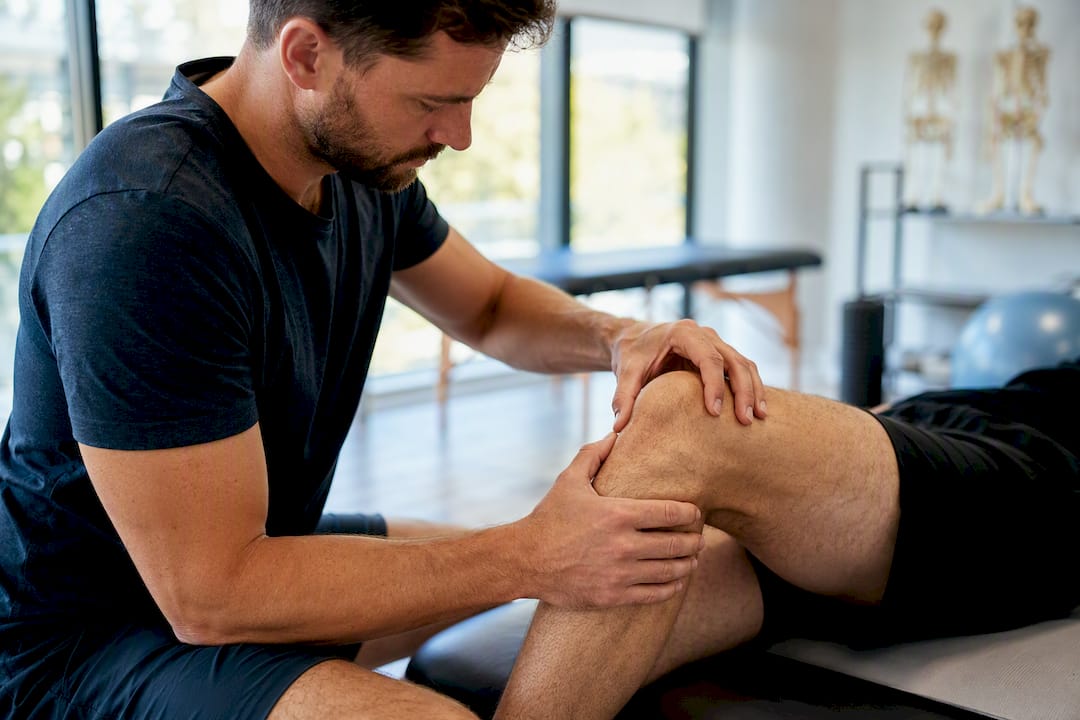
Clinic-based care fits best when swelling and pain persist past a week, when a joint still feels unstable during normal movement, or when you're recovering from a car accident, work injury, or slip-and-fall and want a structured recovery plan instead of guesswork. If red flags show up, such as inability to bear weight or suspected fracture, that's a same-day referral for imaging, not a wait-and-see chiropractic visit. Sparkmed's chiropractic wellness services are built for the recovery phase that follows once anything serious has been ruled out.
Why Most People Get the "Wait It Out" Advice Wrong
The standard advice for soft-tissue injuries hasn't changed much in decades: rest it, ice it, wait. What that advice leaves out is timing. Too much rest for too long is arguably a bigger problem than doing too little. The research on this is fairly consistent: joints and muscles that sit immobilized past the acute phase lose strength and stability faster than they recover it.
What actually matters most is the first 72 hours of honest self-assessment. Can you bear weight? Is there a visible deformity? Is the pain getting worse, not better? Those three questions sort the injuries that need a clinic visit from the ones that genuinely resolve with home care. Grading systems and imaging matter for clinicians, but for the person icing their ankle on the couch, the practical priority is simpler: don't guess on a grade 2 or 3 injury, and don't stay still longer than you have to on anything milder. Movement, done at the right pace, is part of the treatment, not a risk to avoid.
— Spark
Book a chiropractic evaluation with Sparkmed if your sprain or strain still feels unstable, weak, or painful after the first week of home care. Our North Miami clinic offers affordable spinal adjustments, hands-on rehab progression, and advanced modalities like ultrasound and shockwave therapy to help you recover fully rather than just manage symptoms. Visit our accessibility statement for details on how we make care accessible to every patient who walks through our doors.
This article is general information, not a substitute for advice from a qualified doctor. Consult a qualified healthcare professional about your own circumstances before acting on anything here.