
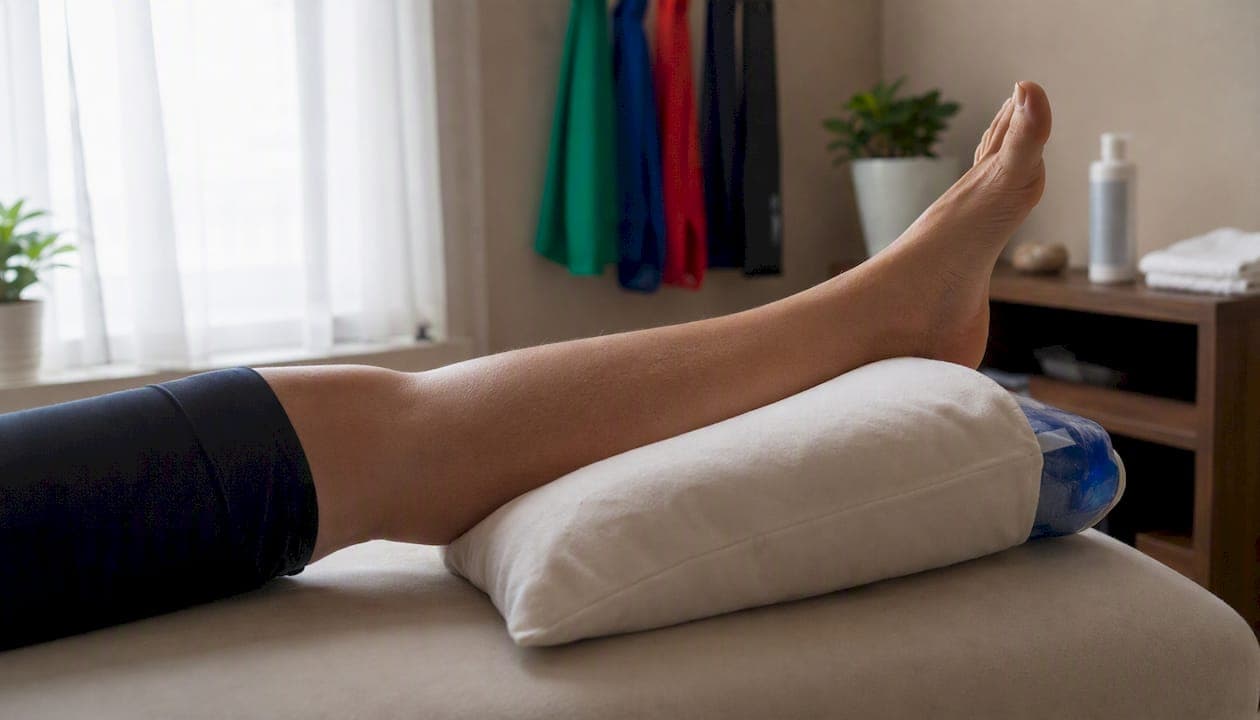
After a slip and fall, the single most important thing you can do is stop moving, check your body for serious warning signs, and apply the R.I.C.E. protocol (Rest, Ice, Compression, Elevation) within the first few days after injury. If you notice any red flags — loss of consciousness, numbness, severe head or back pain — call 911 immediately. For everything else, controlled first aid at home followed by a professional evaluation is the right path.
Here is a quick checklist for the first few minutes:
- Sit still and take a slow breath before trying to stand.
- Scan for sharp pain, numbness, or visible deformity before moving.
- Apply ice wrapped in a cloth to any swollen area (never directly on skin).
- Avoid heavy lifting or strenuous movement until you have been assessed.
- Call 911 if you hit your head hard, feel confused, or cannot move a limb.
Pro Tip: Adrenaline released during a fall can mask pain for hours. Even if you feel fine right now, monitor your symptoms closely for the next 24–48 hours and document everything you notice.
Falls are one of the leading causes of injury-related emergency department visits in the United States according to the CDC. Many people walk away from a fall feeling shaken but okay, only to develop significant pain or neurological symptoms the next morning. Early, structured follow-up is what separates a smooth recovery from a missed diagnosis.
Key Takeaways
Managing pain after a slip and fall comes down to one principle: act early, document everything, and follow a structured care plan through to completion.
| Point | Details |
|---|---|
| Use R.I.C.E. for 48–72 hours | Rest, Ice, Compression, and Elevation reduce acute inflammation and swelling in the critical early phase. |
| Know the red flags | Loss of consciousness, numbness, worsening headache, or severe back pain means call 911, not wait and see. |
| Switch to heat after 72 hours | After the acute phase passes, warm compresses relax muscles and improve circulation to healing tissue. |
| Document from day one | Consistent medical records and appointment attendance support both clinical outcomes and any insurance or legal process. |
| Sparkmed offers a $25 adjustment | North Miami patients can get a professional chiropractic evaluation without insurance as a low-barrier first step. |
Table of Contents
- How to check your body after a fall and spot the red flags
- Safe first aid and pain control for the first 48–72 hours
- When to get professional care and what to expect
- What a realistic recovery timeline looks like
- How chiropractic care fits into your recovery
- Nutrition, sleep, and mental health during recovery
- Sparkmed can help you recover after a slip and fall
- Sources
How to check your body after a fall and spot the red flags
The first thing to assess is whether it is safe to move at all. If you are conscious, breathing normally, and feel no severe pain in your neck or spine, you can carefully shift to a seated position. Do not rush to stand.
Work through a quick mental checklist: Can you feel your hands and feet? Is your vision clear? Do you feel nauseated or confused? A "yes" to any of those last questions is a signal to stay put and call for help.
Some injuries do not hurt right away. Adrenaline and shock can suppress pain signals for hours after a fall, which means a spinal injury, concussion, or internal bleed can go undetected at the scene. Research on fall injury outcomes confirms that delayed symptom onset is common, and that early structured follow-up reduces the risk of missed complications.
Call 911 or go to the ER immediately if you notice any of these:
- Loss of consciousness, even briefly.
- Confusion, disorientation, or memory gaps about the fall.
- Worsening headache after hitting your head (a classic concussion signal).
- Nausea or vomiting that starts after the fall.
- Numbness, tingling, or weakness in any limb.
- Severe chest, back, or abdominal pain.
- Uncontrollable bleeding or a visible bone deformity.
- Difficulty breathing.
Head injuries deserve special attention. The CDC's traumatic brain injury data shows falls are a leading cause of TBI across all age groups. A scalp headache that keeps getting worse in the hours after a fall is not something to sleep off — it warrants a CT scan.
Pro Tip: Take a photo of the scene before you leave, note the exact time, and write down your symptoms as they develop. That record matters both clinically and, if a third party was responsible, legally.
Safe first aid and pain control for the first 48–72 hours
The Cleveland Clinic recommends the R.I.C.E. protocol for the first 48–72 hours after an acute musculoskeletal injury. Here is how to apply it correctly:
- Rest. Stop the activity that caused pain. Avoid putting weight on an injured joint or limb. Short, careful movement around the house is fine; anything that spikes pain is not.
- Ice. Apply a cloth-wrapped ice pack for 15–20 minutes at a time, every 2–3 hours. Never put ice directly on skin. Cold reduces acute inflammation and numbs sharp pain during this window.
- Compression. Wrap the injured area snugly (not tightly) with an elastic bandage. Loosen it immediately if you feel tingling or notice the skin turning blue.
- Elevation. Raise the injured limb above heart level whenever you are resting. This reduces fluid pooling and swelling.
After the 48–72 hour acute phase, Johns Hopkins Medicine advises switching from ice to heat to relax muscles and improve circulation. A warm compress or heating pad on a low setting for 15–20 minutes works well at this stage.
Over-the-counter pain relief options:
- Acetaminophen (Tylenol): Generally the safer first choice for most adults. Does not thin blood or irritate the stomach. Standard adult doses are usually given every 4–6 hours, with daily limits varying by individual health status. Avoid if you have liver disease or drink heavily.
- NSAIDs (ibuprofen, naproxen): Reduce both pain and inflammation. Ibuprofen is typically dosed in amounts recommended on product labels or by a clinician, usually spaced every few hours with food. Avoid or use with caution if you take blood thinners (warfarin, aspirin therapy), have kidney disease, a history of stomach ulcers, or cardiovascular concerns. Always confirm with your clinician if you are on any prescription medications.
Topical agents such as diclofenac gel (Voltaren), lidocaine patches, or menthol-based creams (Biofreeze) can provide localized relief with less systemic absorption than oral NSAIDs. Watch for skin irritation, and avoid using a topical NSAID at the same time as an oral NSAID without clinician guidance.
Non-drug options that genuinely help:
- Slow, diaphragmatic breathing (4 counts in, hold 4, out 6) activates the parasympathetic nervous system and can reduce perceived pain intensity within minutes.
- Distraction — a podcast, a conversation, a short TV show — measurably reduces pain perception during the acute phase.
- Gentle splinting with a pillow or rolled towel to support an injured wrist or ankle while resting.
When to get professional care and what to expect
Not every fall needs an ER visit, but most benefit from at least one professional evaluation. Here is a simple decision guide:
Home care is reasonable if:
- Pain is mild and localized to soft tissue (bruising, minor swelling).
- You can bear weight and move the injured area through most of its range.
- No red flags are present and symptoms are improving within 24 hours.
Go to urgent care if:
- Pain is moderate, worsening, or not improving after 48 hours of R.I.C.E.
- You suspect a sprain or minor fracture but have no neurological symptoms.
- You need imaging to rule out a fracture.
Call 911 or go to the ER if any red flag from the section above is present.
Bring these to your appointment: a written timeline of symptoms (when they started, how they have changed), a list of all medications, photos of the scene, and contact information for any witnesses. Consistent, documented medical care strengthens both your clinical follow-up and, when applicable, the credibility of any insurance or legal claim you may need to file.
What clinicians typically do:
- A focused physical exam and neurological check (reflexes, grip strength, sensation).
- X-ray for suspected fractures or joint instability.
- CT scan for head trauma or suspected internal injury.
- MRI for persistent spine or soft-tissue concerns that do not resolve in 4–6 weeks.
- Referrals to orthopedics, neurosurgery, or physical therapy when indicated.
- Immobilization (splint, brace, or cast) if a fracture or severe sprain is confirmed.
Early documentation is not just a legal formality. Gaps in care — skipped appointments, delayed imaging — can complicate both your recovery and any claim you file later.
What a realistic recovery timeline looks like
Recovery length depends heavily on injury severity. Here is a general framework:
| Injury type | Typical recovery window | Key milestones |
|---|---|---|
| Minor (bruises, mild sprains) | 1–3 weeks | Pain-free movement by week 2; return to normal activity by week 3 |
| Moderate (severe sprains, non-surgical fractures, significant contusions) | 6–12 weeks | Weight-bearing by week 3–4; PT starts week 4–6; full function by week 6–12 |
| Severe (surgical fractures, spinal cord injury, TBI) | 3–12+ months | Surgical recovery first; structured rehab begins when medically cleared |
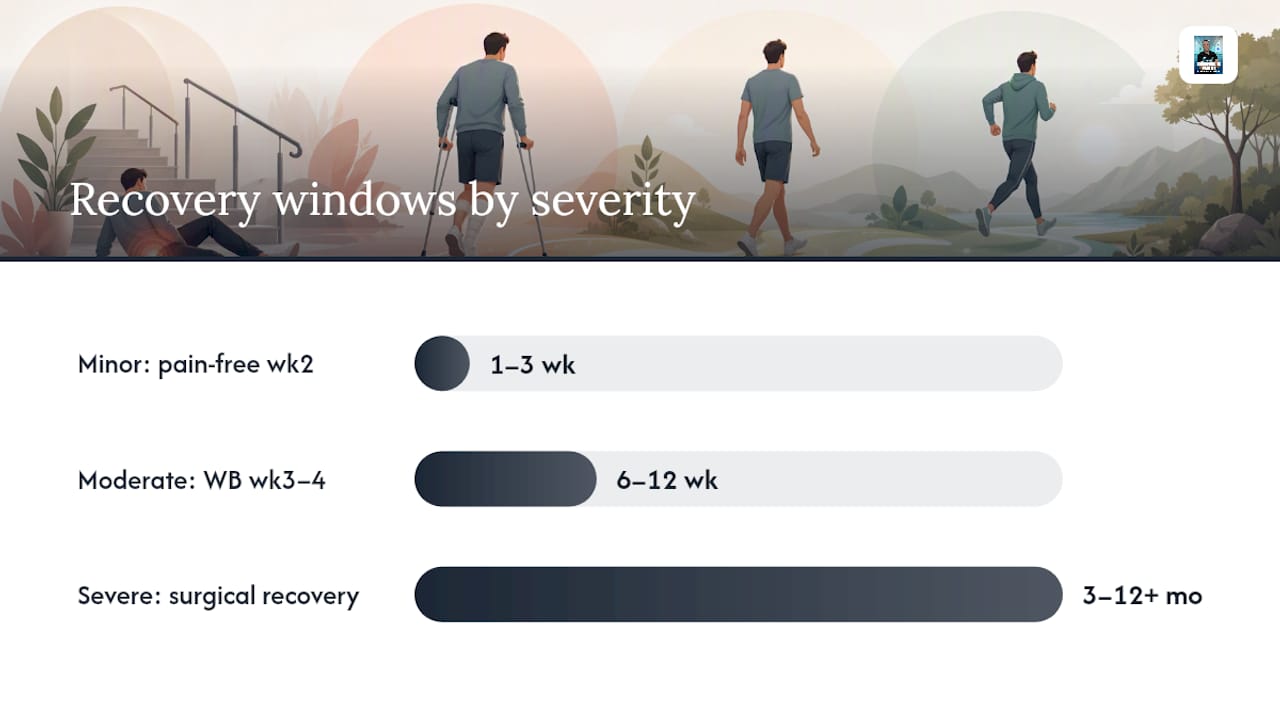
For sprains and strains specifically, orthopedic guidance emphasizes that staged rehab, not complete rest, produces better long-term outcomes.
Progressive rehab steps (when your clinician clears you):
- Days 3–7: Gentle range-of-motion exercises within a pain-free range. No loading.
- Weeks 2–3: Pain-limited strengthening. Resistance bands, isometric holds.
- Weeks 4–6: Balance and proprioception work. Single-leg stands, controlled weight shifts.
- Weeks 6–12: Progressive loading and return to full activity, guided by a physical therapist.
If pain is not improving by week 4–6, or if new symptoms appear (numbness, weakness, sharp radiating pain), go back to your provider. Persistent pain after a fall can signal a missed fracture, nerve involvement, or developing scar tissue that needs targeted treatment. Prolonged bed rest, on the other hand, tends to slow musculoskeletal recovery by increasing stiffness and reducing circulation to healing tissue.
How chiropractic care fits into your recovery
Chiropractic and manual therapies address the mechanical side of fall recovery: joint alignment, restricted mobility, and soft-tissue tension that imaging often does not capture but that patients feel every day.
What Sparkmed offers for post-fall recovery:
- Spinal adjustments to restore alignment after impact-related joint restriction.
- Soft-tissue work and manual mobilization for muscle guarding and trigger points.
- Adjunct modalities including therapeutic ultrasound, shockwave therapy, and heat/cold therapy to reduce inflammation and accelerate tissue repair.
- Coordinated care: Sparkmed works alongside your primary care provider or specialist, not instead of them.
When chiropractic care is appropriate:
- After imaging has ruled out fracture or spinal instability.
- For persistent neck, back, or joint pain that is not resolving with rest and OTC medications.
- As part of a structured rehab plan alongside physical therapy.
Chiropractic care is not a substitute for emergency or surgical care. If imaging shows a fracture, instability, or cord compression, those conditions need medical management first. Once cleared, spinal adjustments and manual therapy can meaningfully reduce pain and restore function as part of a coordinated recovery plan.
Pro Tip: Ask your chiropractor and your primary care provider to share visit notes. Coordinated records create a cleaner clinical picture and provide objective documentation of your recovery progress — which matters both for your health and for any insurance or legal process.
Patients dealing with back pain specifically after a fall may find chiropractic techniques for post-accident back pain a useful reference for understanding what to expect from treatment.
Nutrition, sleep, and mental health during recovery
These three factors are consistently undervalued in post-fall recovery, yet they directly affect how fast tissue heals and how well you tolerate pain.
Nutrition:
- Protein: Tissue repair requires amino acids. Aim for adequate daily protein from eggs, lean meat, legumes, or Greek yogurt. Most adults need roughly 0.7–1 gram per pound of body weight during active healing.
- Vitamin C: Collagen synthesis depends on it. Citrus, bell peppers, and strawberries are practical sources.
- Calcium and vitamin D: Critical for bone healing. Dairy, fortified plant milks, and safe sun exposure cover most needs; a supplement may be warranted if your levels are low.
- Omega-3 fatty acids: Found in fatty fish, walnuts, and flaxseed; these can help modulate the inflammatory response during recovery.
Sleep:
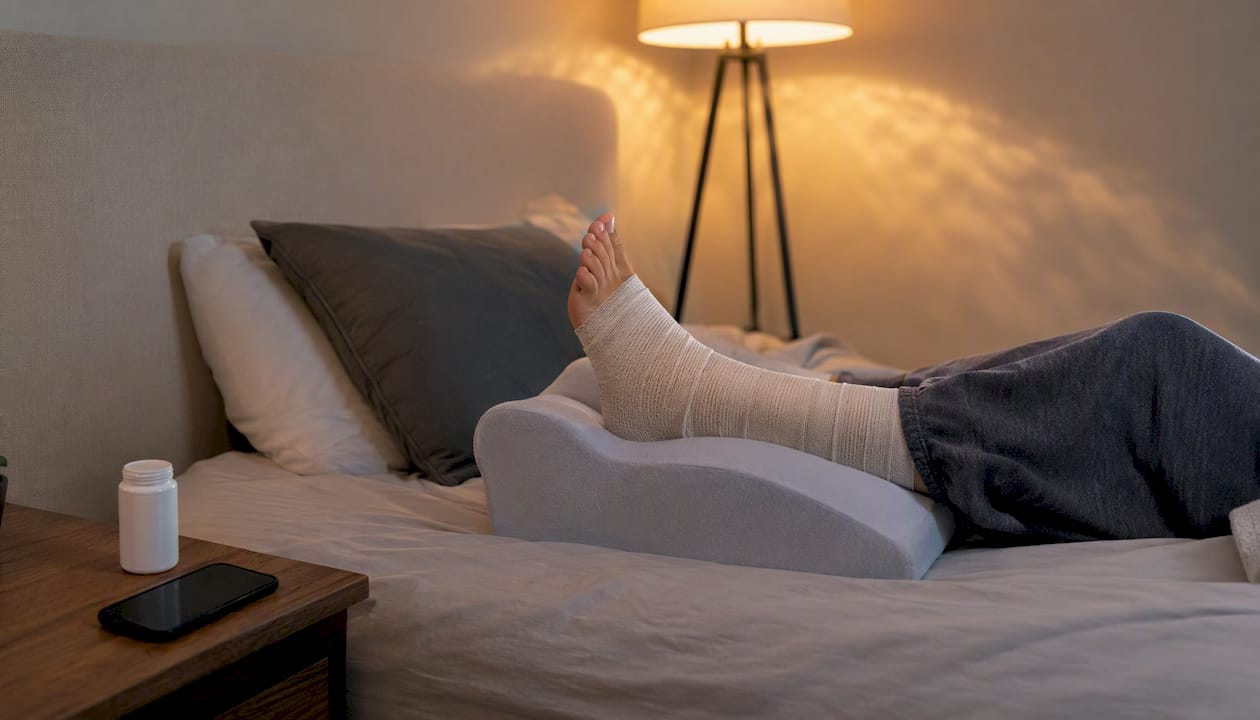
Sleep is when most tissue repair happens. Pain disrupts sleep, and poor sleep amplifies pain — a cycle that slows recovery. Practical steps: keep the injured limb supported with a pillow, use your OTC analgesic 30–45 minutes before bed if pain is the barrier, and keep the room cool and dark. Avoid screens for an hour before sleep. If pain is severe enough to prevent any sleep, that is a signal to revisit your pain management plan with your clinician.
Mental health and pacing:
Fear-avoidance — the tendency to stop all movement because you are afraid of re-injury — is one of the most common reasons recoveries stall. Gentle, progressive movement (cleared by your provider) is protective, not dangerous. If anxiety about re-injury is limiting your daily function, a few sessions with a counselor trained in pain psychology can reset that pattern quickly. Breathing exercises and brief mindfulness practice also reduce the stress response that amplifies pain perception.
Hydration and ergonomics: Stay well-hydrated to support circulation and tissue repair. At home, rearrange your environment to reduce bending, twisting, or reaching that strains the injured area. A holistic approach to injury recovery addresses all of these dimensions together.
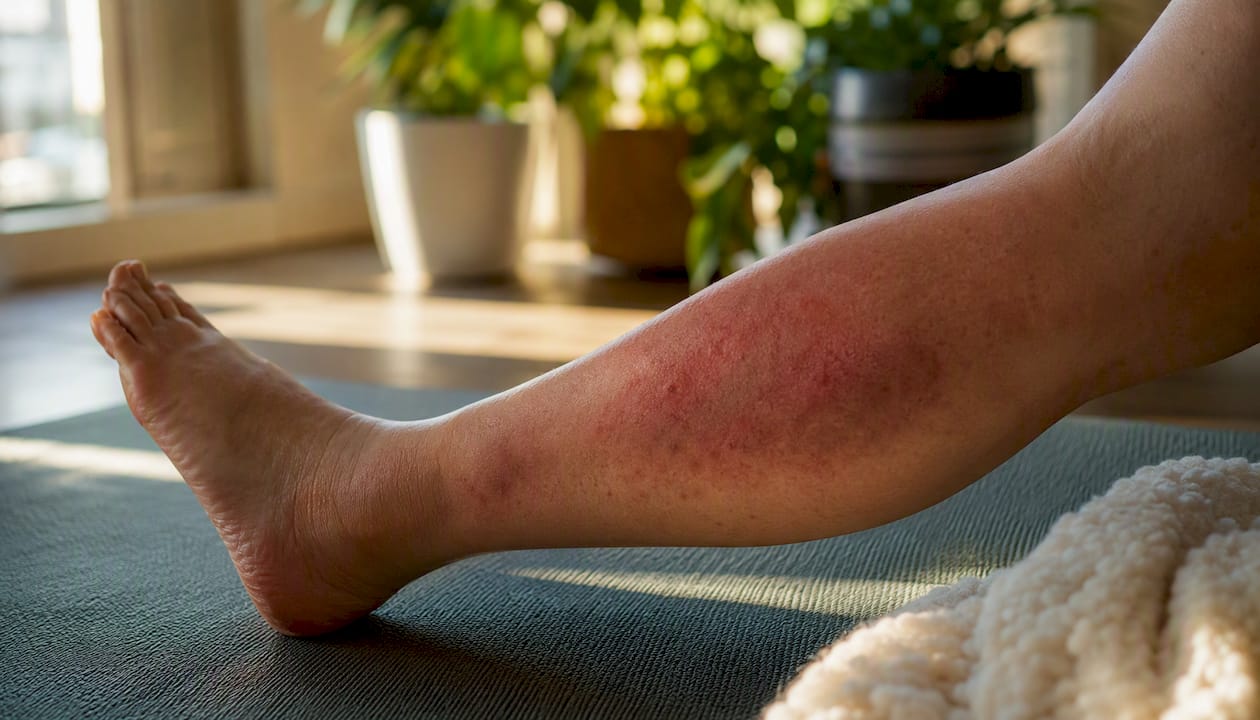
Watch for complications: During recovery, monitor for signs of deep vein thrombosis (DVT) — calf swelling, warmth, or redness — especially if you are immobile for extended periods. Wound infections, increasing rather than decreasing pain, or fever after a fall all warrant prompt medical attention.
What we see at Sparkmed after slip-and-fall injuries
Most patients who come to Sparkmed after a slip or fall are surprised by two things: how much pain they are still in a week later, and how quickly structured care changes that. The pattern we see most often is soft-tissue injury to the neck or lower back, sometimes combined with a wrist or shoulder impact. Many patients delayed seeking care because they assumed the pain would resolve on its own.
Early assessment matters. When patients come in promptly, get imaging if indicated, and follow a consistent care plan, the majority recover well within the timelines above. The ones who struggle are usually those who waited weeks before getting evaluated, or who stopped treatment as soon as the acute pain eased — before the underlying mechanical issues were fully addressed.
Sparkmed offers multilingual support (English, Spanish, and Creole), which means communication is never a barrier to getting the right care. The local chiropractic care approach we use is coordinated, not isolated — your treatment plan connects to whatever medical care you are already receiving.
Sparkmed can help you recover after a slip and fall
Sparkmed's North Miami clinic specializes in exactly this kind of recovery. After a slip or fall, you get a focused evaluation, imaging coordination when needed, and a treatment plan that addresses the mechanical injuries driving your pain — not just the symptoms.
Services available for post-fall patients include spinal adjustments, manual soft-tissue therapy, therapeutic ultrasound, shockwave therapy, and guided rehab. Sparkmed currently offers a $25 chiropractic adjustment that does not require insurance, making it straightforward to get evaluated without worrying about cost as a barrier.
Appointments are available in English, Spanish, and Creole. Uber Health transport is available for patients who need it. To book or ask a question, visit Sparkmed's clinic page or call the clinic directly. Getting checked early is the single most effective step you can take toward a full recovery.
Sources
The following authoritative resources informed this guide. Each is worth bookmarking for ongoing reference during your recovery.
- Johns Hopkins Medicine — Ice packs vs warm compresses for pain
- CDC — About falls
- American Bar Association — When a medical record becomes a legal document
- PMC — Research on fall injuries and outcomes