

Neck pain stops you in your tracks. Whether it crept up from hours at a desk or appeared overnight after sleeping wrong, the discomfort is real and limiting. Many people assume chiropractic care is either too aggressive or unproven for neck pain, but that perception doesn't match the evidence. Understanding why chiropractor for neck pain is such a widely recommended approach starts with knowing exactly what happens during treatment, what the research says, and when it genuinely helps. This guide walks you through all of it, plainly and directly.
Table of Contents
- Key Takeaways
- Why chiropractor for neck pain: the techniques explained
- How chiropractic compares to other neck pain treatments
- Understanding the safety and risks
- The overlooked role of thoracic spine treatment
- What to expect and how to choose the right chiropractor
- My honest take on chiropractic care for neck pain
- Ready to stop guessing and start recovering?
- FAQ
Key Takeaways
| Point | Details |
|---|---|
| Chiropractic targets root causes | Adjustments restore joint mobility and reduce muscle tension rather than just masking symptoms. |
| Combination therapy wins | Spinal manipulation paired with exercise produces better outcomes than either approach alone. |
| Safety profile is strong | Most side effects are mild and temporary; serious complications are rare with proper screening. |
| Thoracic manipulation helps too | Treating the upper back can immediately relieve neck pain and improve range of motion. |
| Screening matters first | A qualified chiropractor assesses for red flags before any hands-on treatment begins. |
Why chiropractor for neck pain: the techniques explained
Chiropractic treatment for neck pain centers on two main hands-on approaches. The first is spinal manipulation, sometimes called a chiropractic adjustment, which involves a high-velocity, controlled thrust applied to a specific spinal joint. The second is cervical mobilization, a lower-velocity, oscillatory movement that gently guides the joint through its range of motion. Both target the same problem from different angles.
What actually happens in your body during these treatments? Chiropractic care restores joint mobility, reduces mechanical irritation, and modulates pain through both biomechanical and neurophysiological pathways. In simpler terms, the adjustment releases a stuck joint, which reduces the muscle guarding surrounding it and signals the nervous system to dial down its pain response. That is why patients often feel looser and less painful immediately after a session, even before any inflammation has fully resolved.
Chiropractic care addresses a range of specific neck conditions, including:
- Mechanical neck pain (the most common category, often from poor posture or repetitive strain)
- Whiplash injuries from car accidents
- Cervicogenic headaches that originate from the neck
- Facet joint dysfunction
- Muscle spasm and stiffness from prolonged desk work
Pro Tip: Before your first appointment, jot down when the pain started, what makes it better or worse, and whether it radiates into your shoulder or arm. This information helps the chiropractor assess your case accurately and design the right treatment plan from day one.
How chiropractic compares to other neck pain treatments
This is where honest information matters most. Spinal manipulative therapy shows benefits for acute neck pain, particularly when combined with active rehabilitation rather than used as a standalone approach. The evidence for manipulation alone is moderate, but outcomes improve substantially when patients also commit to guided exercise.

Here is how the most common neck pain relief options compare:
| Treatment | Best for | Typical drawbacks |
|---|---|---|
| Chiropractic adjustments | Mechanical neck pain, whiplash, joint stiffness | Requires multiple visits; not suitable for all cases |
| NSAIDs or acetaminophen | Short-term acute pain relief | Masks symptoms without addressing cause; side effects with prolonged use |
| Physical therapy | Strengthening and posture retraining | May not address acute joint restriction directly |
| Heat or cold therapy | Symptom management at home | Temporary relief only |
| Chiropractic plus exercise | Mechanical and chronic neck pain | Requires patient commitment to home exercises |
One of the most important distinctions in the chiropractor vs. doctor for neck pain conversation is this: standard medical approaches focus heavily on reducing symptoms, usually through medications or referrals for imaging. Common treatments include NSAIDs and posture-focused exercises, but they do not directly address joint restriction. Chiropractic care targets the mechanical problem at the source.
That said, integrating spinal manipulation with active rehabilitation consistently produces better and longer-lasting results. Think of the adjustment as unlocking the door and the exercise program as strengthening the hinges so it stays open.
For chronic neck pain, the picture shifts slightly. Patients with pain lasting more than three months tend to benefit most from a structured plan that includes chiropractic adjustments, targeted strengthening, and possibly co-management with a physical therapist. Acute pain, especially after an accident, often responds quickly to manipulation combined with gentle mobilization.
Understanding the safety and risks
One of the biggest reasons people hesitate when considering chiropractic adjustments for neck pain is fear of something going wrong. That fear deserves a direct, data-backed answer.
Most adverse events after chiropractic manipulation are mild, including temporary soreness, stiffness, or dizziness. These are normal body responses, similar to how muscles feel after a workout they have not done in a while. A systematic review tracking outcomes in adults over 55 reported 412 adverse events total, with only 9 classified as severe and zero catastrophic outcomes.
Common mild side effects to expect:
- Temporary soreness at the treated area (the most frequent response)
- Mild headache within 24 hours of treatment
- Brief dizziness or light-headedness
- Localized fatigue
Pro Tip: If soreness after an adjustment lasts more than 48 hours or feels different from the original pain, call your chiropractor before the next session. That feedback helps them modify the technique or pressure for your body's specific response.
Before any hands-on treatment begins, a qualified chiropractor screens for red flags. Patient screening for contraindications is critical to safe care. This includes checking for neurological signs like numbness or weakness in the arms, vascular symptoms, or any history of fracture or instability. If a red flag is present, the chiropractor refers out rather than proceeding. That triage process is what separates a professional assessment from a generic neck massage.
The overlooked role of thoracic spine treatment
Most people expect a chiropractor treating neck pain to focus exclusively on the neck. Here is what surprises many patients: treating the upper back, specifically the thoracic spine, can produce immediate relief in the cervical region.
The cervicothoracic junction connects these two areas physically and neurologically. When the upper thoracic vertebrae lose mobility, the neck compensates by moving more than it should, which leads to joint strain and pain. A meta-analysis of 17 randomized controlled trials found that thoracic spine manipulation produced significant short-term pain reduction and improved range of motion in neck pain patients, with minimal adverse effects.
| Outcome measured | Effect of thoracic manipulation |
|---|---|
| Pain intensity (short-term) | Significant reduction |
| Cervical range of motion | Measurable improvement |
| Adverse events | Minimal |
| Duration of effect | Short to medium term |
The neurophysiological explanation is equally compelling. Thoracic manipulation activates type I and II afferent nerves, triggering descending pain inhibition pathways. The brain essentially tells the nervous system to calm the pain signals coming from the neck. This is why thoracic manipulation may serve as a safer complement to cervical adjustments, particularly for patients who are more apprehensive about direct neck manipulation or who have specific contraindications.
What to expect and how to choose the right chiropractor
Knowing why chiropractic care works is one thing. Knowing how to find good care and what recovery actually looks like is what gets results.
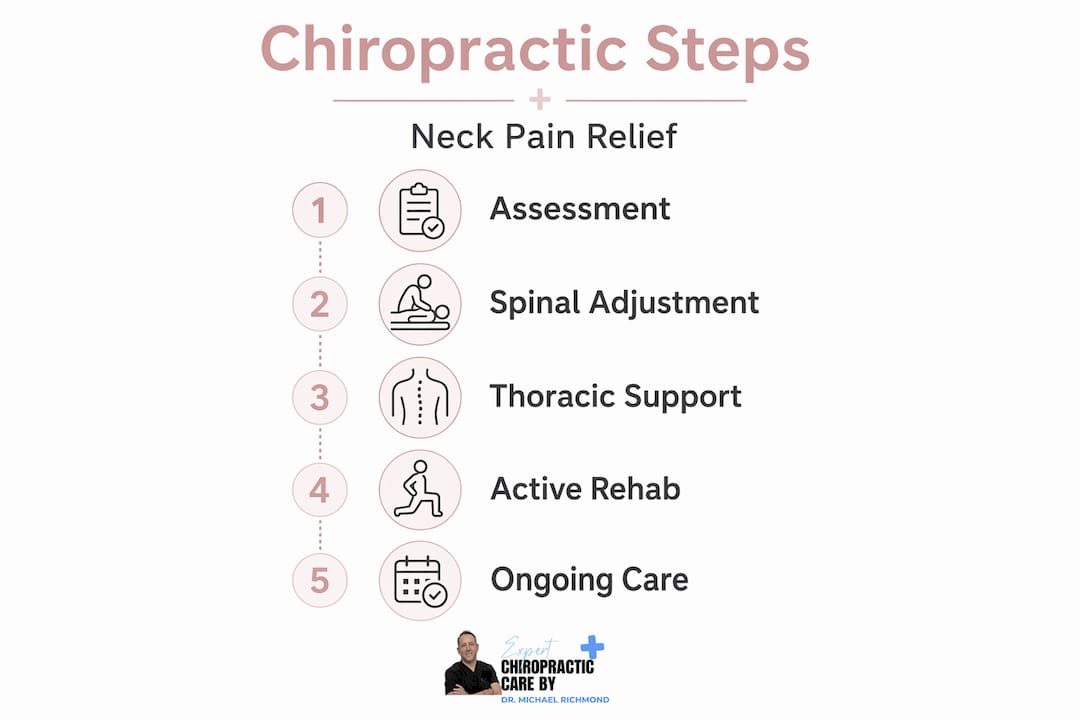
- Ask about the intake process. A qualified chiropractor always starts with a health history, orthopedic and neurological screening, and often postural assessment. If a provider wants to start adjusting you without asking questions first, that is a red flag.
- Clarify the treatment plan upfront. Expect a discussion of how many sessions are planned, what the goals are at each phase, and how progress will be measured. Vague open-ended plans with no clear milestones are a concern.
- Confirm they use exercise alongside adjustments. A chiropractor who only adjusts and sends you home without any home care guidance or rehabilitation exercises is leaving results on the table. Combining manipulation with patient-driven mobility and strengthening work addresses the root causes of neck pain rather than just managing flare-ups.
- Monitor for neurological symptoms. If you develop new numbness, tingling, or weakness in your arm or hand during a course of care, tell your chiropractor immediately. This may signal a need for imaging or specialist co-management.
- Expect realistic timelines. Acute neck pain from a recent injury often responds within four to eight sessions. Chronic pain may require a longer plan with periodic reassessment.
You can also explore chiropractic recovery methods that apply specifically to trauma-related neck pain, which is a distinct category from everyday mechanical pain.
My honest take on chiropractic care for neck pain
I have seen a lot of patients come in unsure whether chiropractic adjustments are worth trying after years of relying on pain medication or stretching that never quite fixed the problem. In my experience, the patients who get the best outcomes are the ones who treat chiropractic care as one part of a larger recovery plan, not a one-time fix.
What often gets overlooked is posture correction and strengthening. The adjustment opens the door, but without addressing why the joint became restricted in the first place, many patients find themselves returning for the same problem repeatedly. I have found that pairing adjustments with even basic chin-tuck and shoulder-blade exercises makes a measurable difference in how long relief lasts.
I am also candid about when chiropractic is not the right first call. If someone presents with arm weakness, difficulty with fine motor control, or signs of vascular involvement, my recommendation is medical imaging before any manual therapy. Good chiropractic care is not about applying the same technique to every neck. It is about recognizing what each individual needs and knowing when to refer. That kind of individualized, honest approach is what builds trust and actually gets people better.
— Spark
Ready to stop guessing and start recovering?
If this article helped clarify the role chiropractic care can play in your neck pain relief, the next step is getting a professional assessment specific to your situation. At Sparkmed, patients in North Miami get personalized evaluations from experienced chiropractors who specialize in both everyday neck pain and trauma recovery. There are no guessing games and no one-size-fits-all adjustments.

You can also explore Sparkmed's full library of chiropractic wellness articles to deepen your understanding of how manual therapy fits into a broader recovery plan. And if you have questions about what to expect or want to book a $25 introductory adjustment without needing insurance, visit Sparkmed's patient resources to get started today.
FAQ
What does a chiropractor do for neck pain?
A chiropractor uses spinal manipulation or cervical mobilization to restore joint mobility, reduce muscle tension, and modulate pain signals. These hands-on techniques address the mechanical source of neck discomfort rather than just masking symptoms.
Is chiropractic effective for neck pain?
Yes, particularly when combined with exercise and rehabilitation. Spinal manipulative therapy benefits acute neck pain most when paired with active rehab, and outcomes for both acute and chronic cases improve with a structured treatment plan.
Is it safe to get chiropractic adjustments on the neck?
For most people, yes. Most adverse events are mild and temporary, such as brief soreness or headache, and serious complications are rare. A proper pre-treatment screening rules out contraindications before any adjustment is performed.
How is a chiropractor different from a doctor for neck pain?
A doctor typically addresses symptoms through medication or imaging referrals, while a chiropractor targets the underlying joint and muscle mechanics directly. Many patients benefit from both, especially when neck pain is connected to trauma or a structural problem.
How many chiropractic sessions does neck pain take?
Acute neck pain often responds within four to eight sessions, while chronic pain may require a longer, phased treatment plan with reassessments along the way. Your chiropractor should give you a clear timeline and measurable goals at your first visit.