

Most people only book a chiropractic appointment when their back locks up or neck pain becomes unbearable. That's understandable, but it misses the point of why regular chiropractic checkups exist in the first place. Chiropractic care, done consistently, works more like dental cleanings than emergency dental surgery. The goal is to maintain alignment, catch small problems before they compound, and keep your musculoskeletal system functioning the way it should. If you've wondered whether ongoing visits are worth your time and money, this article gives you a clear, evidence-based answer.
Table of Contents
- Key takeaways
- What actually happens during a chiropractic checkup
- What science says about chiropractic effectiveness
- Why regular chiropractic visits matter beyond pain
- How often to see a chiropractor
- My honest take on chiropractic maintenance
- Ready to make chiropractic part of your routine?
- FAQ
Key takeaways
| Point | Details |
|---|---|
| More than pain relief | Regular chiropractic care supports posture, mobility, and nervous system function beyond treating acute pain. |
| Science backs short-term gains | A Cochrane review found spinal manipulation provides statistically significant pain relief and functional improvement for chronic low back pain. |
| Safety profile is strong | Most adverse events from chiropractic care are mild, such as temporary soreness, with no catastrophic events reported in older adults. |
| Frequency depends on your needs | Age, health status, and wellness goals all determine how often you should schedule chiropractic maintenance care. |
| Best results come from integration | Chiropractic works best alongside exercise, nutrition, and other lifestyle habits rather than as a standalone fix. |
What actually happens during a chiropractic checkup
A lot of people picture a chiropractor simply cracking backs. The reality is more structured and more thorough than that.
Your first visit typically starts with a detailed intake process. The chiropractor reviews your medical history, asks about symptoms, past injuries, medications, and lifestyle factors. From there, they conduct a physical exam that includes posture analysis, range of motion tests, and orthopedic assessments. In some cases, they may order X-rays, though shared decision-making before any imaging or adjustment is considered best practice.
The core treatment is spinal manipulation, also called a spinal adjustment. The chiropractor applies controlled force to specific spinal joints to correct misalignments, called subluxations. According to the International Chiropractors Association, chiropractic adjustments are designed to reduce nervous system interference and improve pain, posture, mobility, and overall function. Think of it like resetting a door that's hanging crooked. Once the hinge is realigned, the whole mechanism works better.
Beyond the adjustment itself, a good checkup also assesses:
- Muscle tension and soft tissue health
- Joint mobility in the hips, shoulders, and extremities
- Gait patterns and how you carry weight through your feet and legs
- Breathing mechanics, which connect directly to thoracic spine mobility
Pro Tip: Before your first visit, write down any recurring aches, your sleep position, how many hours you sit daily, and any past injuries. This gives your chiropractor a more complete picture, fast.
Follow-up visits are shorter and more focused. The practitioner reassesses your progress, makes adjustments based on how your body has responded, and may add soft tissue work, stretching protocols, or rehabilitative exercises to your plan. If you're visiting for drug-free pain management rather than a specific injury, these sessions become less about fixing a problem and more about maintaining function over time.

What science says about chiropractic effectiveness
The evidence for chiropractic care is real, though it requires some honest framing to be useful.
A widely cited Cochrane review of 26 randomized controlled trials covering 6,070 participants found that spinal manipulative therapy provides a small but statistically significant reduction in pain and improvement in function for chronic low back pain. The mean pain relief difference was measured at -4.16 against other interventions. That's not a miracle cure. But it is clinically meaningful, particularly for people who want a non-drug option.
| Outcome measured | Finding | Certainty level |
|---|---|---|
| Short-term pain relief | Statistically significant improvement | Low to moderate |
| Functional status | Small positive effect size (-0.22) | Low |
| Long-term outcomes | Less certainty, variable results | Very low |
| Adverse events (older adults) | Mostly mild; no catastrophic events reported | Moderate |
The safety data is reassuring. A 2026 systematic review found that most adverse events in older adults receiving spinal manipulation were mild to moderate, with soreness and temporary headaches being the most common. Out of 412 documented adverse events, nine were classified as severe, and none were catastrophic. That's a meaningful distinction. Rare but serious risks, like arterial injury from neck manipulation, do exist, but proper screening by chiropractors significantly reduces those risks.
One nuance worth understanding: adverse event reporting in chiropractic care is inconsistent across studies because there's no standardized definition of what counts as an adverse event. Active surveillance systems tend to catch more mild events than passive reporting does. This doesn't mean chiropractic is less safe. It means the data collection isn't yet where it needs to be for precise risk assessment.
AARP also notes that chiropractic reduces pain and improves range of motion without drugs, which makes it particularly valuable for people managing chronic conditions or those who can't tolerate medication side effects. The same guidance recommends going to an emergency room first if you've been in a serious accident before seeking chiropractic care.
Pro Tip: Ask any chiropractor you're considering how they screen for contraindications before adjusting the neck. A good practitioner will walk you through that process without hesitation.
Why regular chiropractic visits matter beyond pain
Here is where the case for chiropractic maintenance care gets genuinely compelling.
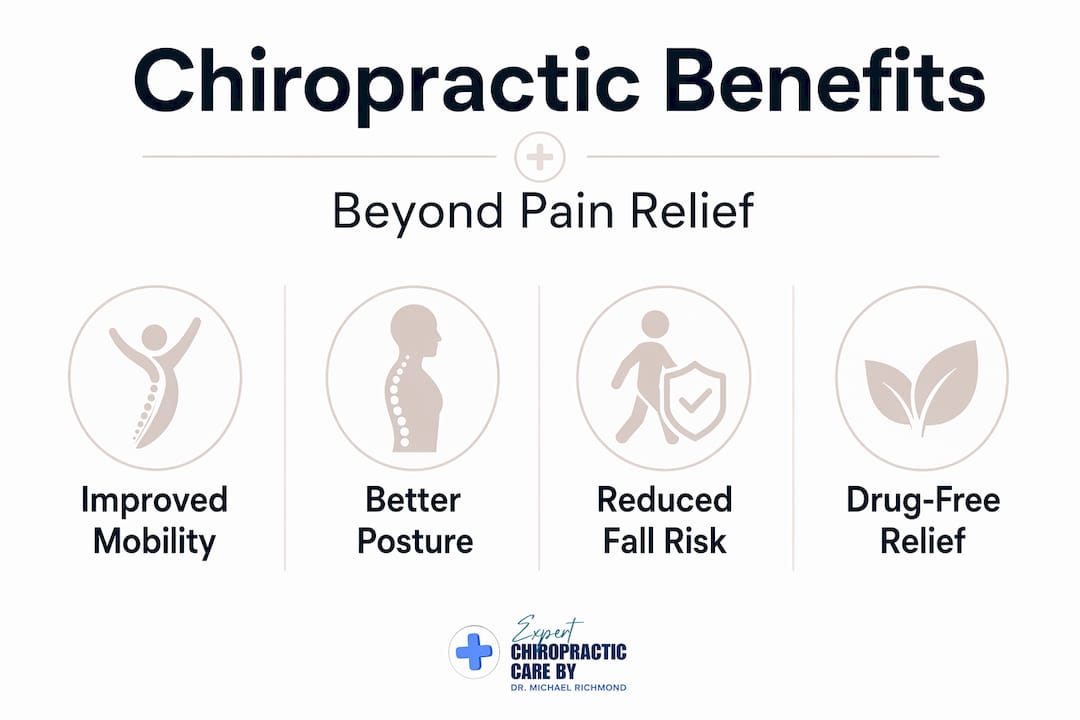
Spinal misalignments don't announce themselves with acute pain at first. They develop gradually through poor posture, repetitive movement patterns, sedentary jobs, and accumulated physical stress. By the time you feel consistent pain, the underlying dysfunction has often been building for months. Regular checkups catch those shifts early, before they turn into something harder to correct.
The broader case for why regular chiropractic visits matter includes these well-documented benefits:
- Nervous system support. The spine houses the spinal cord, and nerve roots branch out from every vertebral level. Misalignments create mechanical pressure that can interfere with nerve signals. Regular adjustments help maintain that communication channel.
- Improved mobility and flexibility. Joints that are regularly mobilized tend to stay healthier. Stiffness compounds over time, especially in the thoracic spine, which most people rarely move through its full range.
- Posture correction. Sitting eight or more hours a day reshapes your posture in ways that compound over years. Routine chiropractic care, combined with corrective exercises, actively counters that drift.
- Better sleep and reduced anxiety. Some patients report improved sleep quality and lower stress levels with regular care, likely related to reduced physical tension and nervous system balance. These outcomes are patient-reported and not as heavily studied, but they are consistent enough to mention.
- Faster recovery from physical activity. Athletes and active individuals use chiropractic maintenance care to shorten recovery times and maintain joint integrity through heavy training loads.
Research also suggests that chiropractic adjustments may reduce fall risk in older adults by improving spinal function and proprioception. Falls are a leading cause of injury in people over 65, so even a modest reduction in risk carries significant real-world value. For seniors, pairing chiropractic care with fall prevention strategies makes strong practical sense. You can also read more about how chiropractic supports seniors specifically if that's relevant to your situation or a family member's health.
How often to see a chiropractor
Chiropractic checkup frequency is not one-size-fits-all. The right schedule depends on your age, health history, activity level, and goals.
- Acute pain or injury. When you're managing a recent strain, herniated disc, or post-accident recovery, visits are typically more frequent. Two to three times per week for the first few weeks is common, tapering as symptoms improve.
- Maintenance care for healthy adults. Once you're pain-free and functioning well, many chiropractors recommend once or twice a month to maintain alignment and catch any new dysfunction early.
- Active or athletic adults. People with physically demanding lives or regular training often benefit from weekly or biweekly visits, particularly during high-load training periods.
- Older adults or those with chronic conditions. For individuals managing arthritis, degenerative disc changes, or other chronic musculoskeletal issues, frequency should be guided by regular reassessment. Monthly visits are a reasonable baseline for many.
- Children and adolescents. Chiropractic care is generally considered safe for younger patients, particularly for scoliosis monitoring or sports injuries, though frequency is typically lower than for adults.
When choosing a chiropractor, avoid clinics that pressure you into long prepaid treatment packages before they've assessed your response to care. A reputable practitioner will outline a short trial period, reassess outcomes, and adjust from there. Informed consultation with shared decision-making is the mark of a trustworthy practice.
Also know when chiropractic is not the right first call. Chest pain, neurological symptoms like sudden weakness or loss of bladder control, or trauma from a serious accident all require emergency medical evaluation before a chiropractic visit.
My honest take on chiropractic maintenance
I've seen a clear pattern working with patients at Sparkmed. The people who benefit most from chiropractic care are not necessarily those who come in with the worst pain. They are the ones who stay consistent.
People who come in twice a year expecting a quick reset and then go back to the same sedentary habits, the same unsupportive mattress, the same twelve-hour desk sessions, don't get nearly the same results as those who treat chiropractic as one part of a larger health routine. That's not a criticism. It's just how musculoskeletal health works. You can't outadjust a lifestyle that's constantly working against your spine.
What I've also learned is that expectation management matters enormously. Chiropractic is not a cure-all. The evidence on spinal manipulation shows real but modest short-term effects, and long-term outcomes are harder to guarantee. That honesty is what builds lasting trust with patients. When someone walks in expecting to feel 100% better after two sessions and doesn't, they leave frustrated. When they understand that care is gradual and cumulative, they stay the course and actually get better.
My other strong opinion: avoid any chiropractor who won't tell you their reasoning, skips a proper intake, or pushes you to pre-pay for fifty visits without a trial. Good chiropractic care is individualized and transparent. It should feel collaborative, not transactional.
— Spark
Ready to make chiropractic part of your routine?
If this article has shifted your thinking on what regular chiropractic care can actually do for you, the next step is finding trustworthy, accessible information to guide your decisions.

At Sparkmed, the blog covers everything from spinal adjustment techniques to recovery strategies and wellness fundamentals, written with the same evidence-based approach you just read. Whether you're exploring chiropractic for the first time or looking to understand your current care plan better, the Sparkmed blog gives you the knowledge to make confident health decisions. North Miami patients can also book a $25 chiropractic adjustment with no insurance required, making it easy to experience the benefits firsthand without financial barriers.
FAQ
What are the main reasons for regular chiropractic checkups?
Regular chiropractic checkups help maintain spinal alignment, improve posture, support nervous system function, and catch developing musculoskeletal issues before they become painful or harder to correct.
How often should you see a chiropractor for maintenance?
Most healthy adults benefit from once or twice a month for chiropractic maintenance care, though the right frequency depends on age, activity level, and health goals.
Is chiropractic care safe for long-term use?
Yes. A 2026 systematic review found that adverse events in older adults receiving spinal manipulation were mostly mild, with no catastrophic events reported across hundreds of cases.
Can chiropractic care help with more than back pain?
Chiropractic care is associated with improvements in neck pain, joint mobility, posture, sleep quality, and, in older adults, reduced fall risk, according to multiple studies and AARP guidance.
When should you see a doctor instead of a chiropractor?
Seek emergency medical care first if you have chest pain, sudden neurological symptoms, or injuries from serious trauma. Chiropractic is best suited for non-life-threatening musculoskeletal conditions.