
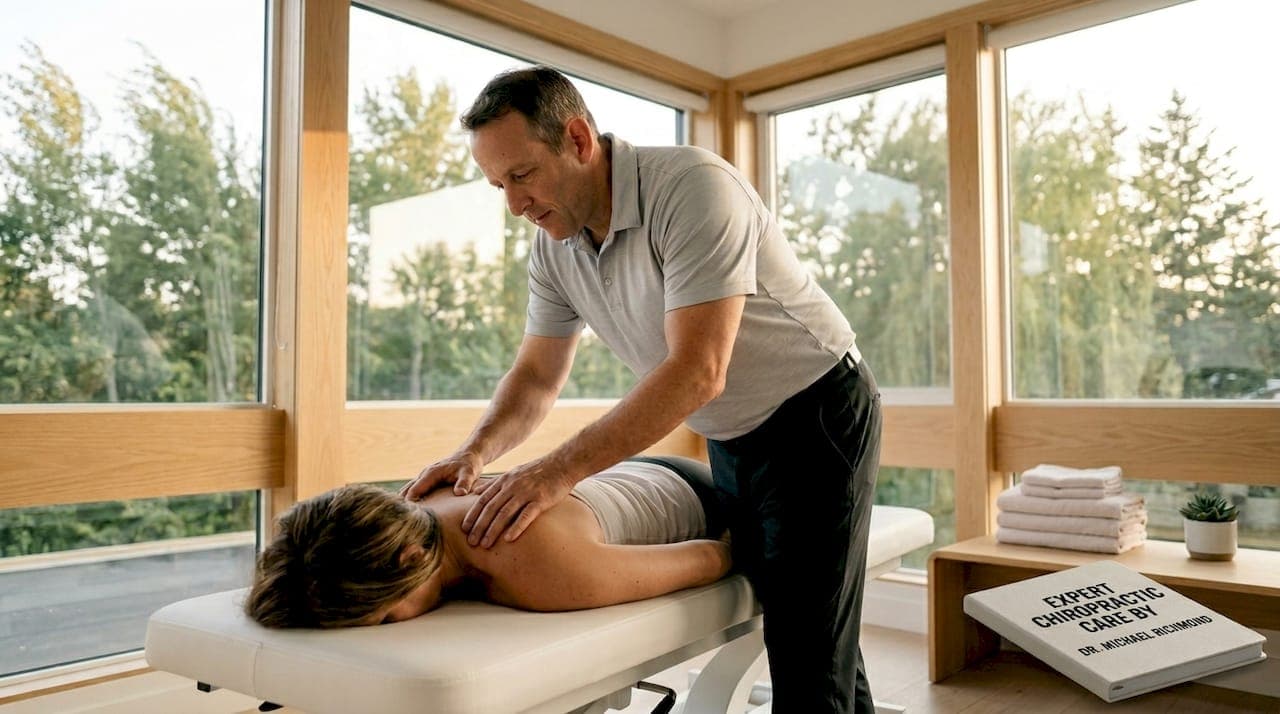
After a car accident in North Miami, most people expect to leave the doctor's office with a prescription. The assumption is almost automatic: pain equals pills. But a growing number of accident survivors are choosing a different route, and the results are changing how many people think about recovery. Chiropractic care works without a single pill by targeting the mechanical roots of pain, and understanding exactly why it works that way can help you make a smarter, more confident decision about your own healing.
Table of Contents
- What makes chiropractic care drug-free?
- How evidence supports drug-free pain relief
- Real-world impact: medication use and patient preferences
- Important nuances and safety considerations
- Our perspective: Drug-free healing is about smart recovery, not ideology
- Want expert drug-free recovery guidance?
- Frequently asked questions
Key Takeaways
| Point | Details |
|---|---|
| Hands-on, not prescription-based | Chiropractic focuses on physical therapies and does not prescribe pain medications. |
| Evidence supports nondrug options | Major guidelines recommend trying nonpharmacologic, hands-on therapies first for musculoskeletal pain. |
| Most patients prefer drug-free care | Surveyed chiropractic patients overwhelmingly prefer to avoid medication when possible. |
| Know when to seek medical help | Drug-free care works for most mechanical injuries, but some cases need medical evaluation or medications. |
| Smart recovery combines approaches | Optimal healing often blends hands-on chiropractic and conventional medical oversight. |
What makes chiropractic care drug-free?
Chiropractic is not simply "alternative medicine" with a catchy label. It is a defined clinical discipline with a specific scope. Chiropractic care is generally delivered as a hands-on, nonpharmacologic approach focused on diagnosing and treating mechanical musculoskeletal disorders, especially of the spine, rather than prescribing drugs. That last part is key. The entire philosophy is built around the idea that many pain problems, particularly those involving the spine, joints, and surrounding muscles, have a mechanical cause that responds better to mechanical solutions.
So what does "hands-on" actually look like in practice? When you visit a chiropractor after an accident, you will not walk out with a prescription. Instead, your provider will assess your posture, range of motion, spinal alignment, and areas of tenderness. From there, a treatment plan is built around interventions that work on your body directly. Here are the most common therapies you might receive:
- Spinal manipulation (also called a chiropractic adjustment): A controlled, targeted force applied to a specific spinal segment to restore normal movement and reduce pain signals.
- Joint mobilization: Slower, gentler movements used to increase range of motion in stiff or inflamed joints, especially useful in the early days after a collision.
- Soft tissue therapy and massage: Hands-on work on muscles and connective tissue to reduce tension, improve blood flow, and support healing around injured areas.
- Therapeutic exercises: Specific movement routines assigned to strengthen stabilizing muscles and prevent future injury.
- Lifestyle and ergonomic advice: Guidance on sleep position, posture at work, and daily habits that either support or sabotage recovery.
To make sure you understand what you're signing up for, reviewing chiropractic terms explained can help you walk into your first appointment with clarity rather than confusion.
| Chiropractic approach | Drug-based approach |
|---|---|
| Targets mechanical causes of pain | Masks pain signals chemically |
| No prescription required | Requires prescription or OTC drugs |
| Hands-on treatment sessions | Oral/injected medication |
| Addresses function and mobility | Primarily reduces pain sensation |
| No risk of drug dependency | Potential for dependency with long-term use |
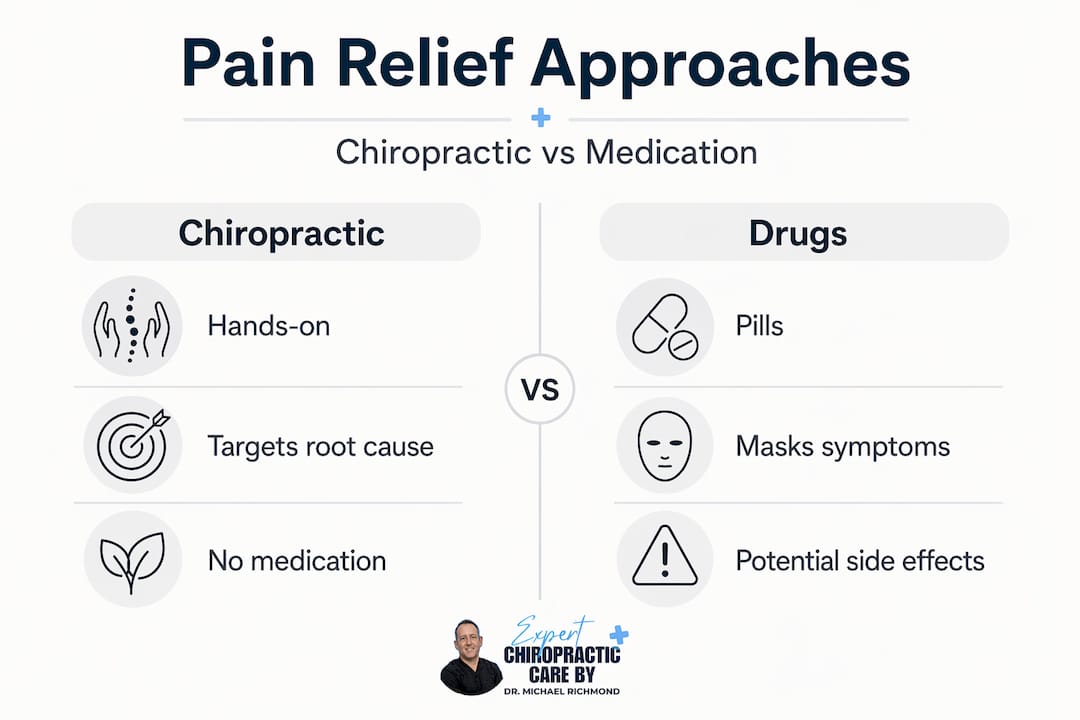
The drug-free model is not just a lifestyle preference. It reflects the actual scope of what chiropractors are trained and licensed to do. They are not medical doctors and do not have prescribing authority in the United States. But that limitation is also their strength: every tool they use is designed to support your body's own healing process.

How evidence supports drug-free pain relief
The science behind chiropractic is more robust than many people expect, though it comes with important nuances worth understanding. For low back pain, major clinical guidelines recommend nonpharmacologic first-line options, and spinal manipulation (sometimes called SMT) is one of several recommended choices. That is a significant statement from mainstream medicine, and it explains why chiropractic has moved from the fringes of healthcare into mainstream recovery plans.
Research reviews provide more detail. Spinal manipulative therapy can produce small improvements in pain and moderate improvements in function for chronic low back pain. For accident survivors, the function improvement piece matters enormously. Being able to turn your neck, lift your arm, or walk without limping is not a small thing. It affects your ability to work, sleep, parent, and live.
Here is a numbered breakdown of what the evidence tells us about SMT for mechanical pain:
- Pain reduction is real but modest. Studies consistently show that spinal manipulation reduces pain scores compared to no treatment, though the effect size is classified as small to moderate. That is still clinically meaningful for people in genuine discomfort.
- Function improvements are stronger than pain improvements. Multiple reviews note that patients show better mobility and physical function after SMT than pain scores alone would suggest.
- Short-term side effects are usually minor. Temporary soreness, stiffness, or fatigue after an adjustment are common and typically resolve within 24 to 48 hours.
- Evidence certainty is low to very low. This is an honest limitation. Many chiropractic studies have small sample sizes or design issues, which means the certainty of findings is not as high as, say, research on common medications. This does not mean chiropractic does not work; it means more research is needed.
- Chiropractic often performs as well as or better than medications for mechanical pain in head-to-head comparisons, with fewer risks of side effects like stomach bleeding, dependency, or cognitive fog.
For accident survivors dealing with chiropractic for back pain after accidents, the evidence creates a clear picture: this is not pseudoscience, and it is not a guaranteed cure. It is a credible, conservative option that guidelines support trying before reaching for a prescription bottle.
Real-world impact: medication use and patient preferences
Understanding the research helps, but what actually changes for patients who choose chiropractic? The lived experience tells a compelling story.
Patients seeking chiropractic care may also report reduced use of analgesic and musculoskeletal medications after starting care. That finding is striking. People who begin chiropractic treatment frequently find they need less pain medication over time, not because they are toughing it out, but because their underlying mechanical problem is actually improving.
Why do so many patients specifically prefer a drug-free approach? Here are the most common reasons accident survivors in our experience report:
- Fear of dependency. With well-known concerns about opioid reliance in the United States, many patients are understandably cautious about any pain medication that carries addiction risk.
- Side effect fatigue. Common pain medications can cause nausea, drowsiness, digestive problems, and cognitive impairment. Many accident survivors want to stay sharp, especially if they need to return to work or care for children.
- Desire to address the cause, not just the symptom. Medication can reduce how much your back hurts today. Chiropractic aims to fix why your back hurts in the first place.
- Long-term cost concerns. Ongoing prescriptions add up financially. A structured chiropractic care plan, especially one that includes an affordable first adjustment, can represent better long-term value.
- Preference for active participation. Chiropractic often involves exercises and lifestyle changes that give patients agency in their own recovery, which research links to better outcomes and higher satisfaction.
"The best recovery is one where the patient understands what is happening in their body and takes an active role in changing it. Hands-on care gives patients that sense of participation that medication simply cannot."
Pro Tip: If you are currently taking over-the-counter pain relievers after an accident, tell your chiropractor. They can track your medication use alongside your treatment progress and help you see whether the chiropractic care is actually reducing your dependence on pain relief over time.
Exploring chiropractic wellness benefits beyond immediate pain relief can also reveal why so many patients stick with this approach long after their initial injury has healed.
Important nuances and safety considerations
So, is drug-free good for all cases? Here is what every accident survivor should know before making choices.
The honest answer is no. Drug-free chiropractic care is an excellent approach for musculoskeletal and mechanical injuries. It is not a replacement for medical evaluation after every car accident scenario. Some injuries require imaging, medication, or even surgery, and delaying those interventions by seeking only chiropractic care could cause serious harm.
Here is a practical numbered guide to knowing when and how to use chiropractic wisely:
- Always get medically evaluated after a significant accident first. Before starting any care, rule out fractures, internal injuries, traumatic brain injury, or spinal cord damage. Chiropractic is not appropriate for acute fractures or instability.
- Understand what chiropractic is designed to treat. It works best for neck pain, upper and lower back pain, headaches stemming from cervical (neck) issues, and soft tissue injuries like sprains and strains. These are the most common post-accident complaints.
- Ask about contraindications. Certain conditions make spinal manipulation risky, including severe osteoporosis (bone thinning), active cancer in the spine, nerve compression with progressive symptoms, and vascular issues like recent stroke. A good chiropractor will screen for all of these before your first adjustment.
- Know that drug-free does not mean risk-free. Side effects from spinal manipulation are usually transient and mild to moderate, with serious adverse events being very rare, but they are not zero. Informed consent matters.
- Combine chiropractic with other care when needed. There is no reason you cannot see a chiropractor and a primary care physician or specialist at the same time. In fact, integrated care often produces better outcomes than any single approach alone.
"Chiropractic's drug-free approach is best understood as a conservative, hands-on strategy for musculoskeletal complaints; it is not an across-the-board replacement for medical evaluation. Serious or non-musculoskeletal injuries require referral or medical management."
Pro Tip: Bring any imaging you had done at the hospital (X-rays, MRIs) to your first chiropractic appointment. This gives your chiropractor critical context and allows them to rule out contraindications before any hands-on treatment begins.
For more guidance on navigating the recovery process, check out chiropractic recovery tips specific to accident survivors, as well as a breakdown of affordable post-accident recovery techniques that can work alongside chiropractic care.
Our perspective: Drug-free healing is about smart recovery, not ideology
Having addressed when drug-free is beneficial and when more is needed, we want to share a seasoned perspective about making chiropractic work for you.
We have seen patients come into our clinic in North Miami with two very different mindsets. Some arrive convinced that chiropractic will cure everything and refuse to consider any other form of care. Others arrive skeptical, having been told by someone that chiropractic "isn't real medicine." Both mindsets lead to worse outcomes than the patients deserve.
The most successful recoveries we witness happen when people treat chiropractic as a powerful tool within a thoughtful toolkit, not as an ideology or a belief system to defend. Your body does not care about labels. It cares about results.
Guideline summaries acknowledge both the place of nondrug therapies and the remaining evidence gaps. Chiropractic is best framed as one option within evidence-based conservative care rather than a guaranteed superior substitute for all medications. We agree with that framing completely, and it actually reflects how we approach each patient's plan.
What we have learned from working with accident survivors is that the "drug-free" label resonates deeply with people who feel burned by medication side effects or who simply want to understand their body better. That motivation is healthy and worth honoring. But the smartest patients pair that motivation with curiosity: they ask questions, they monitor their own progress, and they stay open to adjusting the plan if something is not working.
Comparing chiropractic vs surgery insights is another important piece of this decision-making process, especially for accident survivors who are being pressured into more invasive interventions before conservative options have been tried.
The bottom line from our perspective: choose drug-free chiropractic care because the evidence supports it for your type of injury, not just because you want to avoid medications. Let the decision be informed, not emotional. That is when we see the best, longest-lasting results.
Want expert drug-free recovery guidance?
Putting these lessons into practice is easier when you have a team that understands both the science and the real-world challenges of accident recovery in North Miami. At Spark Med, we specialize in exactly that.
Whether you are just beginning to sort out your treatment options or you are weeks into recovery and still searching for relief, our expert chiropractic resources can help you move forward with confidence. We offer science-backed, hands-on care designed specifically for accident survivors, including a $25 adjustment option that does not require insurance. Learn more about types of chiropractic treatment that may be right for your situation and take the next step toward drug-free healing today.
Frequently asked questions
Does drug-free chiropractic care mean no pain relief at all?
No, chiropractic care delivers real pain relief through hands-on treatments rather than medication, and spinal manipulative therapy produces improvements in both pain and physical function for many patients.
Can I combine chiropractic with my regular medical treatments?
Yes, many patients safely combine both approaches, and chiropractic is best understood as a conservative complement to medical care rather than a replacement, especially when all your providers are aware of the full treatment picture.
Why don't chiropractors prescribe pain medications?
Chiropractors are trained to treat the mechanical causes of pain through hands-on therapies, and their nonpharmacologic scope of practice means diagnosing and treating musculoskeletal disorders without prescribing drugs.
Is chiropractic therapy safe after a car accident?
Chiropractic care is generally safe for musculoskeletal injuries when contraindications are properly screened, though side effects are usually mild and transient, and any serious injuries identified after your accident should always be medically evaluated first.
What if I want to avoid both drugs and surgery?
Chiropractic is a strong conservative first step for mechanical pain because major clinical guidelines recommend nonpharmacologic options before more invasive approaches, but always confirm with a medical provider that chiropractic is appropriate for your specific injuries.