

What to do first: immediate steps to reduce inflammation after an accident
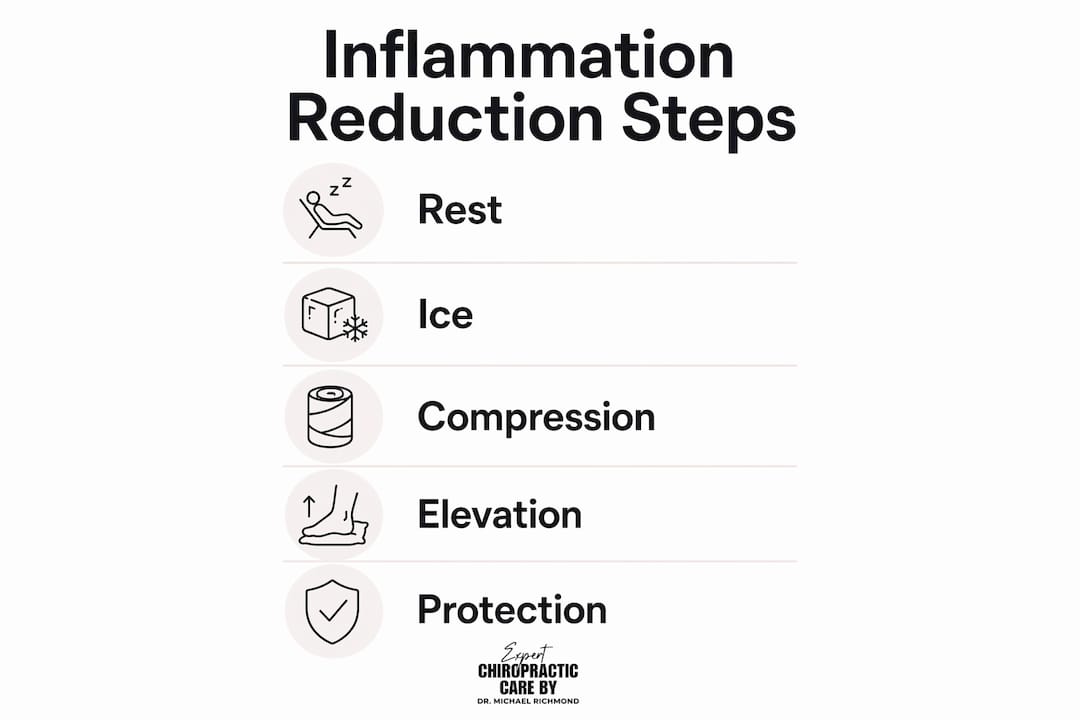
The fastest way to control inflammation after an accident is the RICE protocol: Rest, Ice, Compression, and Elevation. Many clinicians now use the expanded PRICE version, which adds Protection as the first step. Start within the first hour if possible. The earlier you act, the less swelling you'll have to fight later.
Here's what to do right away:
- Protect the injured area from further stress. Stop moving it, brace it if needed, and avoid putting weight on it.
- Rest completely for the first 24–48 hours. Any activity that causes pain will worsen the inflammatory response.
- Ice the area for 15–20 minutes every 2–3 hours during the first 48–72 hours. Use a cloth between the ice pack and your skin.
- Compress with an elastic bandage to limit swelling. Start wrapping from the farthest point from your heart and work inward.
- Elevate the injured limb above heart level whenever you're sitting or lying down.
Pro Tip: Never leave ice on for extended periods at a stretch. Beyond that point, your body triggers vasodilation as a protective reflex, which actually increases blood flow to the area and can worsen swelling rather than reduce it.
Why your body swells after an injury
Swelling is not the enemy. When tissue gets damaged in a car accident or other trauma, your immune system floods the area with white blood cells, proteins, and fluid to begin repairs. The visible signs, including pain, redness, heat, and puffiness, are all part of that process working as intended.
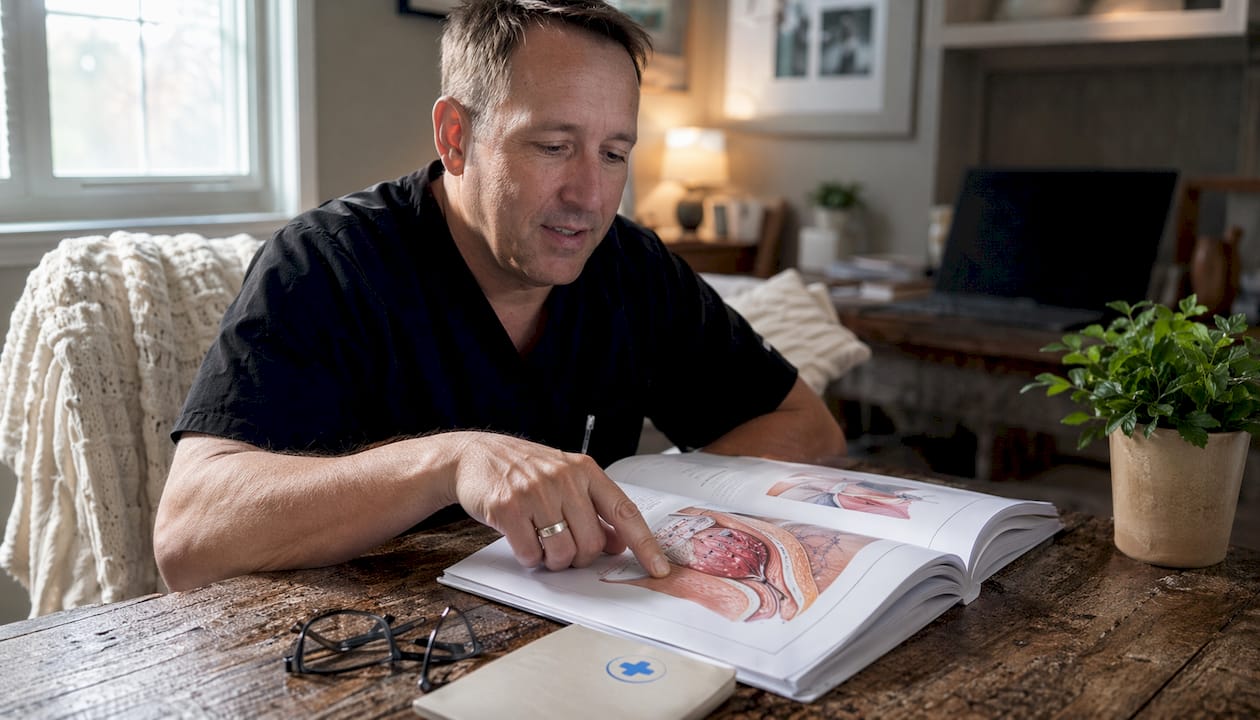
The problem comes when inflammation goes unchecked. Uncontrolled swelling can compress nerves, restrict circulation, and delay the very healing it was meant to support. Think of it like a fire response: you need the firefighters, but if they flood the building for too long, they cause their own damage.
Managing inflammation means keeping that response proportional, not shutting it down entirely. That distinction shapes every decision you'll make during recovery.
Practical at-home methods to reduce swelling and support healing
The RICE/PRICE protocol in depth
Rest means more than sitting on the couch. It means protecting the injured tissue from mechanical stress so the repair process can proceed without interruption. For car accident injuries specifically, this often means avoiding driving, lifting, or any repetitive motion that loads the affected area.
Compression with an elastic bandage controls swelling but requires correct technique. Begin at the end farthest from your heart and wrap toward it. If you notice numbness, increased pain, or swelling below the bandage, loosen it immediately. A wrap that's too tight cuts off circulation and makes things worse.
Elevating the injured limb above heart level uses gravity to pull excess fluid away from the injury site. Prop it on two or three pillows, especially at night. This one step alone can noticeably reduce morning swelling.
Medications: timing matters more than you think
Over-the-counter NSAIDs like ibuprofen (sold as Advil or Motrin IB) reduce both pain and swelling. Acetaminophen (Tylenol) addresses pain but does not reduce inflammation directly. Both are useful, but NSAID timing is critical: taking them too aggressively in the earliest hours may interfere with the body's natural healing cascade, potentially slowing tissue repair. Most clinicians recommend using them for pain management rather than as a first-line anti-inflammatory tool in the immediate post-injury window.
Common side effects of NSAIDs include stomach irritation, so take them with food. Never exceed the labeled dose, and check with a pharmacist or doctor if you're on blood thinners or have kidney concerns.
Diet, hydration, and natural remedies for inflammation
What you eat and drink during recovery genuinely affects how fast swelling resolves. Staying well hydrated and eating foods rich in vitamin C supports tissue repair and helps the body clear inflammatory byproducts. Anti-inflammatory foods worth prioritizing include:
- Fatty fish (salmon, sardines) for omega-3s
- Leafy greens like spinach and kale
- Berries, especially blueberries and cherries
- Turmeric and ginger, both of which have documented anti-inflammatory properties
- Nuts and seeds, particularly walnuts and flaxseed
Avoid alcohol for the first few days. It dilates blood vessels and can increase swelling. Heat, including hot baths and heating pads, has the same effect in the acute phase and should be avoided until swelling has clearly stabilized.
At-a-glance: methods, duration, and expected effect
| Method | Recommended duration | Expected effect |
|---|---|---|
| Ice application | 15–20 min every 2–3 hours, first 48–72 hours | Reduces acute swelling and numbs pain |
| Compression bandage | Continuously during waking hours until swelling resolves | Limits fluid accumulation in tissue |
| Elevation | As much as possible, especially at night | Drains excess fluid via gravity |
| Rest | 24–48 hours minimum; guided return to activity | Prevents further tissue damage |
| NSAIDs (ibuprofen) | As directed on label; consult a doctor for longer use | Reduces pain and inflammation |
| Anti-inflammatory diet | Ongoing throughout recovery | Supports tissue repair and reduces systemic inflammation |
| Hydration | Consistent daily intake throughout recovery | Aids cellular repair and fluid balance |
Pro Tip: For a structured patient aftercare checklist that walks you through each recovery phase, a dedicated post-injury guide can help you track progress and catch warning signs early.
How long does inflammation last after an accident?
Acute inflammation typically peaks within the first 24–72 hours after an injury. For minor soft-tissue injuries, visible swelling often begins to resolve within a week. For more serious trauma, including whiplash, muscle tears, or injuries from a car accident, swelling can persist for several weeks, and underlying inflammation may continue even after the surface looks normal.
Gradual movement within pain-free limits, starting after the first 48 hours, prevents stiffness and actually supports healing. Staying completely immobile for too long causes its own problems: muscles weaken, joints stiffen, and circulation slows. The goal is progressive loading, not total avoidance.
Recovery from sprains and strains can range from days to months depending on severity. For many car accident injuries, mild to moderate pain often improves with proper care over several weeks. That timeline can stretch considerably without treatment.
Warning signs that mean you need medical attention now
Not all post-accident inflammation follows a normal course. Seek evaluation promptly if you notice any of the following:
- Swelling that worsens after the first few days rather than improving
- Increasing redness, heat, or blistering around the injury
- Inability to bear weight or move the affected area at all
- Numbness, tingling, or a sensation of weakness in the limb
- Fever accompanying the swelling, which may indicate infection
- Pain that is severe, constant, or getting worse over time
These signs suggest complications such as infection, a fracture that was missed, compartment syndrome, or chronic inflammatory conditions that require professional diagnosis. Waiting on any of these is a mistake.
Complementary and professional treatments that speed up recovery
At-home care handles the first phase well. But for many accident injuries, especially those involving the spine, neck, or joints, professional treatment is what actually resolves the underlying problem rather than just managing symptoms.
Chiropractic care for post-accident inflammation
Chiropractic adjustments tailored for car accident patients address more than joint alignment. Muscular tension that builds around an injured area can compress local tissue, restrict blood flow, and sustain localized inflammation long after the initial trauma has passed. By releasing that tension and restoring proper joint mechanics, chiropractic care removes one of the key drivers of prolonged swelling. Sparkmed's approach in North Miami focuses specifically on this kind of post-accident recovery, with spinal adjustments and wellness plans designed for trauma patients.

Physical therapy and movement-based recovery
Physical therapists use targeted exercises to restore range of motion, rebuild strength around the injured area, and improve circulation, all of which directly support inflammation reduction. The exercises are graded, meaning they start within your pain-free range and progress as healing allows. This is the evidence-based alternative to either total rest or pushing through pain.
Chiropractic wellness care and physical therapy often work best together, addressing both the structural and muscular dimensions of a post-accident injury.
Massage therapy and acupuncture
Therapeutic massage improves lymphatic drainage, which helps clear the fluid that accumulates during inflammation. It also reduces muscle guarding, the involuntary tightening that happens around a painful area and often makes recovery slower. Acupuncture has a growing body of evidence supporting its role in pain modulation and may help reduce the perception of pain during the recovery period.
Both are best introduced after the acute phase (typically after the first 48–72 hours) and should be performed by licensed practitioners familiar with post-trauma care.
Complementary treatment options at a glance
- Chiropractic adjustments: restore joint function, reduce muscular tension that sustains inflammation
- Physical therapy: graded exercise to rebuild strength and circulation
- Massage therapy: supports lymphatic drainage and reduces muscle guarding
- Acupuncture: may reduce pain perception and support nervous system regulation
- Heat therapy (after acute phase): promotes blood flow and relaxes tight muscles once swelling has stabilized
Chiropractic techniques tailored for post-auto accident patients focus on reducing muscular tension that can otherwise sustain localized inflammation and impede healing. When combined with at-home care like the RICE protocol and an anti-inflammatory diet, professional treatment addresses the root causes of prolonged swelling, not just the surface symptoms.
For anyone dealing with a car accident injury in the North Miami area, Sparkmed offers a $25 chiropractic adjustment with no insurance required, making professional care accessible from the earliest stages of recovery. Getting evaluated early, rather than waiting to see if things improve on their own, is consistently the better outcome for preventing chronic pain down the line.
Ready to get ahead of your recovery? Sparkmed's team specializes in post-accident chiropractic care designed to reduce inflammation, restore function, and get you moving again. Book your visit and start with a $25 adjustment, no insurance needed.
Key Takeaways
Controlling inflammation after an accident requires starting the RICE/PRICE protocol within the first hour, maintaining it for 48–72 hours, and layering in professional care when symptoms persist or worsen.
| Point | Details |
|---|---|
| Start RICE immediately | Apply ice in short intervals periodically during the first few days to control swelling. |
| NSAID timing affects healing | Taking NSAIDs too early may slow tissue repair; use them for pain management with medical guidance. |
| Swelling beyond a few days needs evaluation | Worsening redness, heat, or inability to bear weight signals a complication requiring prompt care. |
| Diet and hydration support recovery | Anti-inflammatory foods and adequate fluids help the body clear inflammatory byproducts faster. |
| Professional care addresses root causes | Chiropractic and physical therapy reduce the muscular tension and structural issues that prolong inflammation. |