
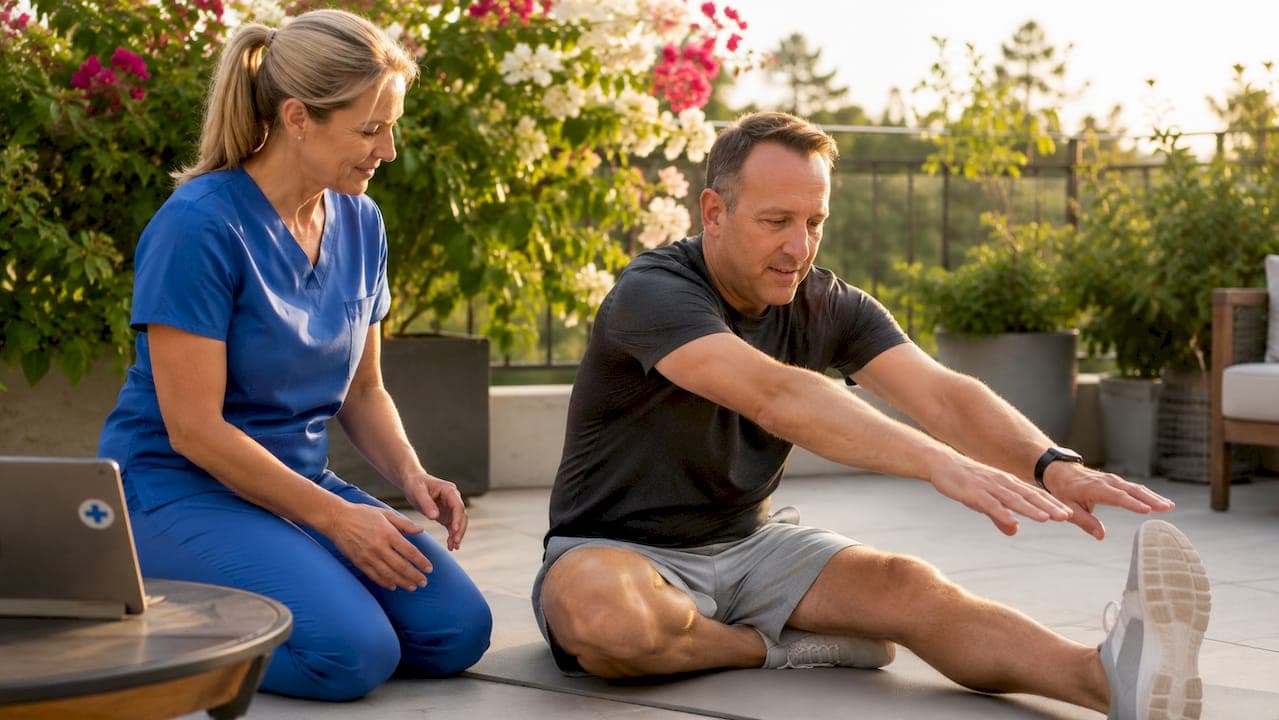
Chronic pain after an accident is defined as persistent pain lasting beyond three months, and about 20% of people experience high-impact chronic pain that restricts daily activities. The good news is that knowing how to prevent chronic pain after an accident puts you ahead of the curve. Early rehabilitation, consistent pain tracking, and nervous system calming practices are the three pillars that determine whether your injury heals or becomes a long-term condition. Physical therapy, pain journals, and targeted lifestyle adjustments all work together to reduce that risk significantly.
How to prevent chronic pain after an accident
Understanding why chronic pain develops is the first step toward stopping it. Acute pain is your body's alarm system. It signals tissue damage and typically fades as healing progresses. Chronic pain is different. It is a condition where the nervous system continues sending pain signals long after the original injury has healed.
What is central sensitization?
Central sensitization is the process where the nervous system rewires itself to amplify pain signals even after physical damage is repaired. Think of it like a car alarm that keeps going off even when no one is breaking in. The alarm system itself has become oversensitive. This is why two people with identical injuries can have completely different long-term outcomes.
Structural changes also play a role. Nerve injury, torn ligaments, and disc damage from car accidents create physical disruptions that alter how your body moves and loads weight. When one area hurts, you unconsciously shift your posture or gait to protect it. Over time, these compensation patterns strain other muscles and joints, creating new pain sources on top of the original injury.
Psychological factors complete the picture. Anxiety, fear of movement, and stress all amplify pain perception. The brain and nervous system do not separate physical from emotional signals. Addressing both is not optional. It is part of the clinical standard for preventing long-term pain after trauma.
"The nervous system can learn pain just as it learns any other skill. The goal of early intervention is to teach it something better before those patterns become permanent."
What are the first steps to manage pain after injury?
Starting rehabilitation early is the single most important decision you can make after an accident. Delaying treatment allows inflammation to persist, muscles to weaken, and compensation cycles to take hold. Each of those outcomes increases chronic pain risk.
Here are the core tools you need from day one:
- Physical therapy: Restores mobility, rebuilds strength, and corrects compensatory movement patterns before they become permanent.
- Pain and symptom journal: Tracks pain intensity, location, sleep quality, and daily activity levels to guide treatment adjustments.
- Medical documentation: Creates a clinical record of your injury and progress, which supports both your care team and any legal or insurance needs.
- Medications: Topical anti-inflammatories, oral NSAIDs, or nerve-specific medications manage acute pain while you rebuild function.
- Lifestyle adjustments: Sleep hygiene, stress reduction, and pacing daily activities reduce nervous system load and support healing.
| Tool | Primary Benefit | Best Used |
|---|---|---|
| Physical therapy | Rebuilds strength and mobility | Starting within days of injury |
| Pain journal | Tracks patterns and guides care | Daily, from day one |
| Medications | Controls acute inflammation | Short-term, as prescribed |
| Mind-body techniques | Calms nervous system sensitization | Ongoing throughout recovery |
| Lifestyle adjustments | Reduces overall pain load | Daily habit integration |
Pro Tip: Start your pain journal before your first physical therapy appointment. Bring it with you. Therapists make better decisions when they can see your pain patterns across a full week, not just the hour you are in the clinic.
Step-by-step rehab strategies to reduce long-term pain risk
A structured rehabilitation plan is not a single event. It is a phased process that evolves as your body heals. Gradual guided therapy rebuilds strength and reduces nervous system sensitization at the same time.
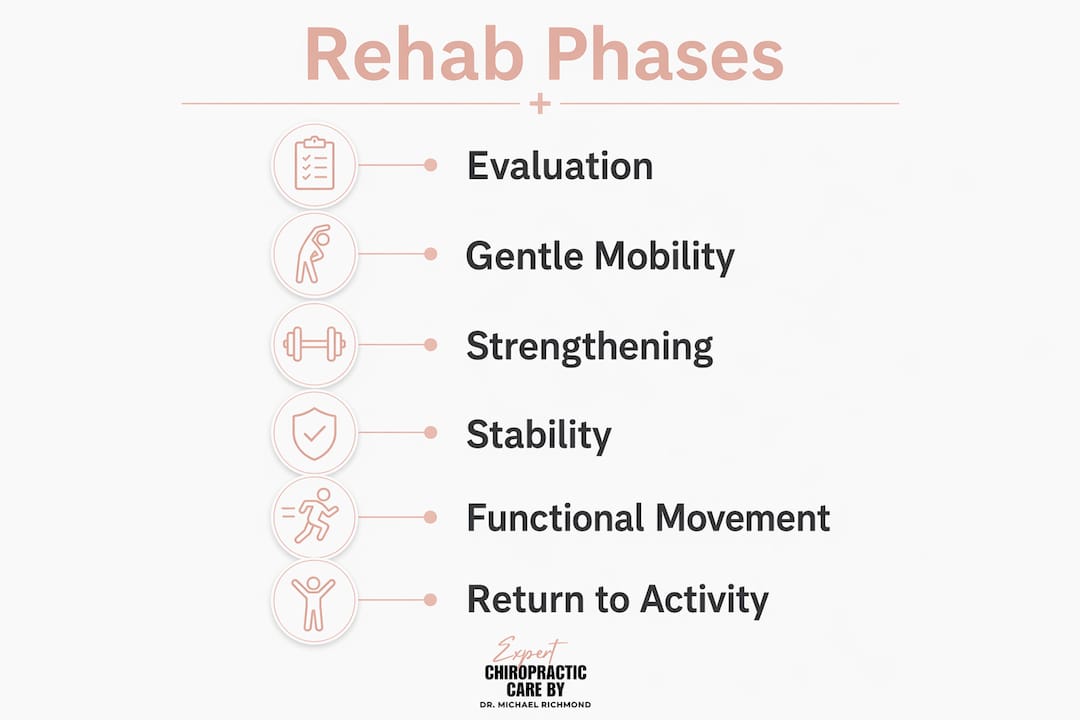
Phase 1: evaluation and gentle mobility (weeks 1–2)
Your first priority is getting a thorough clinical evaluation. A physical therapist or chiropractor will assess your range of motion, posture, muscle strength, and pain patterns. From there, treatment begins with gentle mobility exercises, not intense workouts. Early rehab focuses on controlled movement to prevent permanent compensation imbalances, not on pushing through pain. Expect exercises like gentle neck rotations, supported shoulder rolls, and diaphragmatic breathing to calm the nervous system.
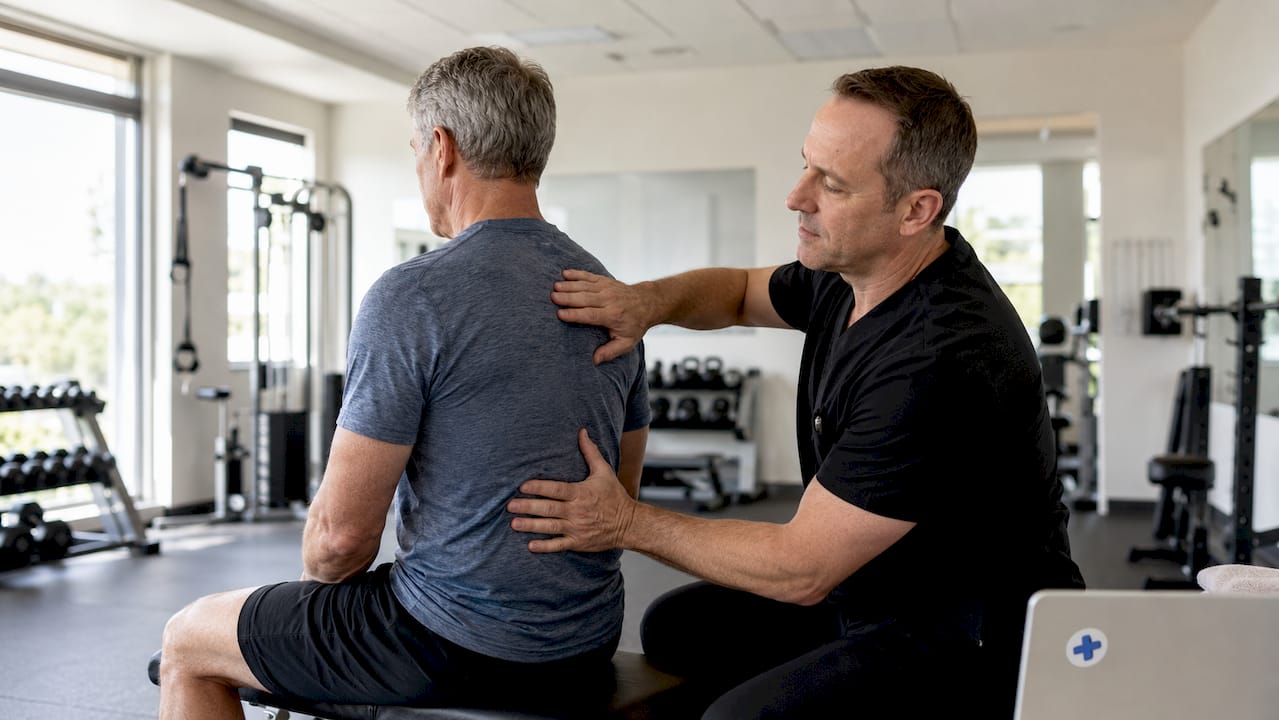
Phase 2: strengthening and stability (weeks 3–6)
Once basic mobility returns, the focus shifts to core activation, posture retraining, and joint stability. Physical therapy plans at this stage include posture retraining and breathing exercises to offload sensitive joints and reduce nervous system reactivity. Exercises like dead bugs, bird dogs, and wall angels are common at this phase. They build the deep stabilizing muscles that protect your spine and reduce the load on injured tissues.
Phase 3: functional movement and return to activity (weeks 6–12)
The final phase reintroduces the movements and activities that matter to your daily life. This is where you practice lifting, walking longer distances, sitting at a desk, or returning to work tasks. The goal is to rebuild confidence in your body's ability to move without pain. Neuroplasticity allows the nervous system to relearn effective function, which means recovery is genuinely possible even months after an injury.
Pain management options at each phase
A layered pain management approach combines physical therapy, medications, mind-body techniques, and lifestyle adjustments. Noninvasive, low-risk treatments come first. Topical anti-inflammatories like diclofenac gel work well for localized back or neck pain. Oral NSAIDs such as ibuprofen or naproxen manage broader inflammation. For nerve pain, a physician may recommend gabapentin or a short course of nerve blocks. Mind-body techniques including progressive muscle relaxation, guided imagery, and mindfulness-based stress reduction lower the nervous system's overall reactivity.
Balanced activity pacing is one of the most overlooked strategies. Both overactivity and underactivity worsen outcomes. Doing too much causes flare-ups. Doing too little causes stiffness and muscle loss. The target is a consistent, moderate level of daily movement that challenges your body without overwhelming it.
Pro Tip: Set a daily step goal that feels slightly easy, not ambitious. Increase it by 10% each week. This pacing method prevents the boom-and-bust cycle that derails most recoveries.
How do you monitor progress and troubleshoot setbacks?
Recovery from a serious accident is not a straight line. Periods of progress are followed by plateaus or flare-ups, and adjusting your plan over time is part of the process, not a sign of failure.
Your pain journal is your most reliable monitoring tool. Record pain intensity on a 0–10 scale each morning and evening. Note what activities preceded any increase in pain. Track sleep quality, mood, and energy levels. Pain and sleep tracking improves clinical decision-making and gives your care team the data they need to adjust your program. It also serves as objective evidence for insurance or legal proceedings if needed.
Watch for these warning signs that your recovery needs professional reassessment:
- Pain that spreads to new areas not originally injured
- Increased sensitivity to light touch, temperature, or pressure
- Sleep disruption that worsens over time rather than improving
- Avoidance of movement due to fear rather than actual pain
- Mood changes, anxiety, or depression that feel connected to your pain
These signs point toward central sensitization taking hold. Catching them early allows your care team to add targeted interventions like cognitive behavioral therapy, graded exposure therapy, or spinal manipulation before the pattern becomes entrenched.
For back pain specifically, chiropractic tips after a car accident can help you recognize compensatory movement patterns that worsen spinal pain over time.
Pro Tip: Take a photo of your pain journal entries weekly and share them with your therapist via their patient portal. Consistent documentation between sessions keeps your care team informed and your treatment on track.
Key takeaways
Preventing chronic pain after an accident requires early rehabilitation, consistent monitoring, and a layered approach that addresses both the body and the nervous system.
| Point | Details |
|---|---|
| Start rehab immediately | Early physical therapy prevents compensation cycles that drive chronic pain. |
| Track pain daily | A pain journal guides treatment adjustments and documents progress objectively. |
| Use a layered approach | Combine physical therapy, medications, and mind-body techniques for best results. |
| Pace your activity | Avoid both overactivity and underactivity to prevent flare-ups and stiffness. |
| Watch for sensitization signs | Spreading pain or movement fear signals central sensitization and needs prompt care. |
What i've learned after years of watching recoveries succeed and fail
The patients who avoid chronic pain after an accident share one trait. They treat recovery as an active project, not a waiting game. They show up to therapy consistently, they track their symptoms, and they communicate changes to their care team without waiting for the next scheduled appointment.
The patients who struggle tend to do one of two things. They either push too hard too fast, convinced that more effort means faster healing. Or they rest completely, assuming the body will fix itself if they just stay still long enough. Both approaches backfire, and both are completely understandable responses to pain and fear.
What the research on neuroplasticity makes clear is that the nervous system is genuinely changeable. The manual therapy and musculoskeletal recovery literature shows that guided movement, done consistently over weeks and months, actually rewires how the brain processes pain signals. That is not motivational language. It is physiology.
The psychological piece is harder to talk about but just as real. Anxiety about reinjury, frustration with slow progress, and the financial stress of medical bills all amplify pain. Building a support system, whether that is a therapist, a support group, or simply a trusted person who checks in regularly, is not a luxury. It is part of the clinical picture.
My honest advice: give yourself a 12-week commitment before judging your progress. Set small, measurable goals each week. Celebrate them. Recovery from trauma is not dramatic. It is quiet, incremental, and entirely worth the effort.
— Spark
How Sparkmed supports your recovery journey
If you are recovering from a car accident in the North Miami area, Sparkmed specializes in exactly this kind of structured, proactive care. The team at Sparkmed offers spinal adjustments, personalized wellness plans, and advanced treatment techniques designed specifically for accident victims.
Sparkmed's blog is also a strong resource for ongoing education. You will find detailed guides on chronic pain management and personal wellness planning after injury that complement the strategies covered here. Sparkmed offers a $25 chiropractic adjustment with no insurance required, making it easy to take that first step. Visit sparkmed.net to book your appointment and start your recovery on the right track.
FAQ
What is chronic pain after an accident?
Chronic pain after an accident is pain that persists beyond three months following the initial injury. It often involves central sensitization, where the nervous system continues amplifying pain signals even after tissue damage has healed.
Why does back pain develop after a car accident?
Car accidents cause sudden force on the spine, leading to disc injuries, muscle tears, and nerve compression. These structural changes, combined with compensatory posture shifts, are the primary reasons back pain develops and persists after collisions.
How early should you start physical therapy after an accident?
Physical therapy should begin within days of an accident when medically cleared. Early rehab reduces inflammation, maintains mobility, and prevents the compensation patterns that increase chronic pain risk.
Can chronic pain after an accident be reversed?
Yes. Neuroplasticity allows the nervous system to relearn effective function with consistent, guided therapy. Patients who engage in structured rehabilitation programs, even months after injury, show measurable reductions in pain and improved function.
How does a pain journal help with recovery?
A pain journal tracks intensity, location, sleep, and activity patterns, giving your care team objective data to adjust treatment. It also serves as documented evidence for insurance or legal claims related to your injury.