
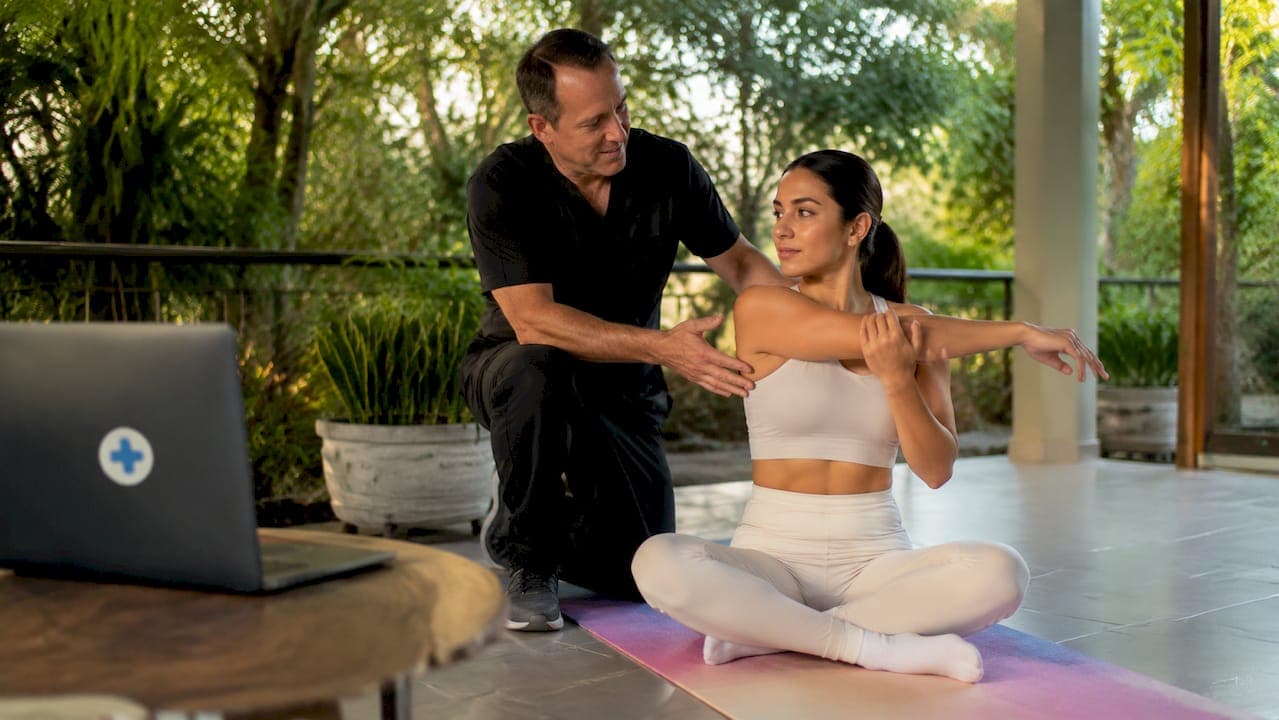
Posture is defined as the position your body holds against gravity, and the role of posture in recovery is direct: poor alignment slows healing, while correct alignment accelerates it. Poor posture can reduce recovery speed by up to 30% by restricting circulation and blocking nutrient delivery to injured tissues. For anyone managing injury or chronic pain, body alignment is not a comfort issue. It is a clinical variable that shapes how fast and how fully you heal. Physiotherapists, chiropractors, and rehabilitation specialists now treat postural correction as a core treatment tool, not an afterthought.
How does posture affect the physiological processes of healing?
Proper alignment keeps your circulatory and lymphatic systems working at full capacity. When your spine, pelvis, and joints sit in balanced positions, blood flows freely to damaged tissue, delivering oxygen and nutrients while flushing out inflammatory waste. Collapse that alignment and you create mechanical compression that chokes those pathways.
Patient positioning is a foundational rehabilitation tool that relieves pain, improves alignment, reduces stress on healing tissues, and maximizes movement efficiency during rest and daily activities. That means how you sit, sleep, and stand between therapy sessions matters as much as the sessions themselves.
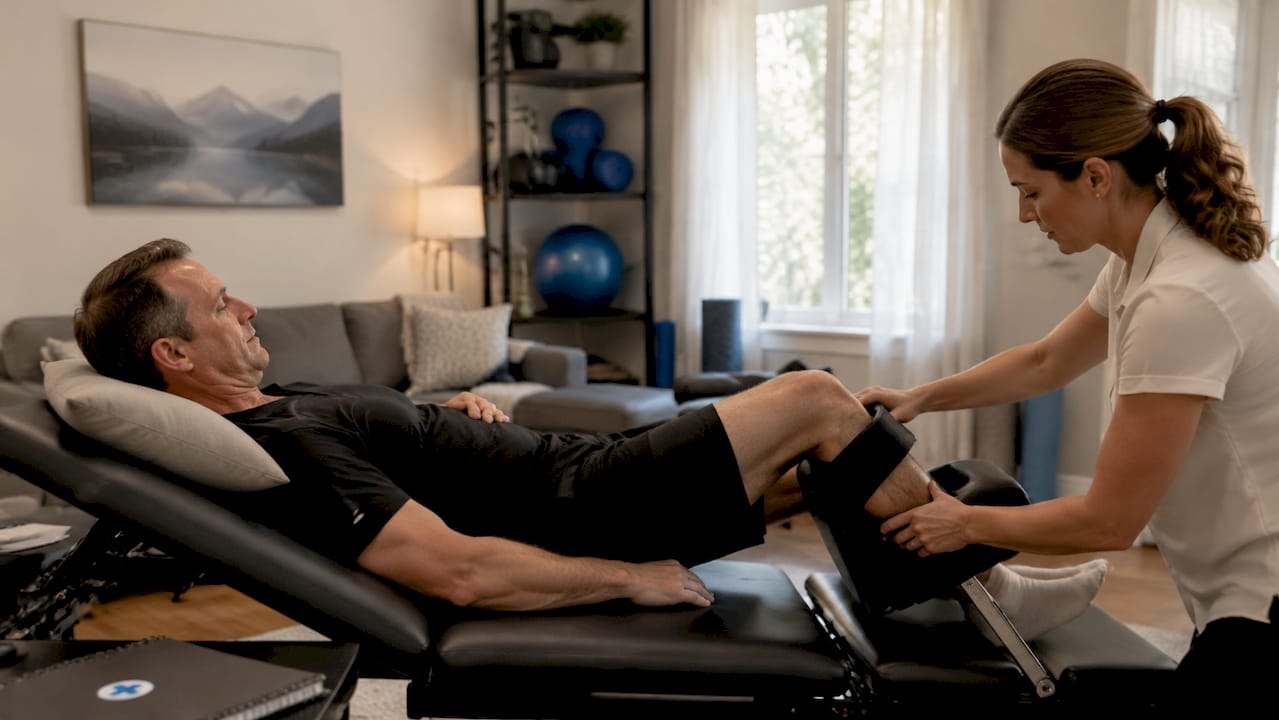
Posture also shapes pain perception through neuromuscular pathways. Misalignment creates chronic muscular strain, which triggers the nervous system to stay in a low-level alert state. That sustained tension raises pain sensitivity and slows the body's ability to shift into repair mode.
Key physiological effects of correct alignment during recovery include:
- Improved blood flow: Aligned joints reduce compression on blood vessels, keeping oxygen delivery consistent to healing tissue.
- Lymphatic drainage: Upright, balanced posture supports the lymphatic system in clearing inflammatory byproducts from injury sites.
- Reduced muscular overload: Good alignment distributes load evenly, preventing secondary muscle injuries caused by compensation patterns.
- Lower pain signals: Reduced mechanical strain decreases the input that sensitizes pain receptors, making movement less threatening to the nervous system.
- Faster tissue regeneration: Consistent nutrient supply and waste removal create the biological conditions tissue needs to rebuild.
Licensed physiotherapists consider patient positioning a powerful, often underestimated component of rehabilitation that significantly affects pain relief and functional gains. Understanding why posture and healing are linked at the cellular level gives you a concrete reason to take alignment seriously every hour of the day.
Postural control training vs. core stability training: which works better?
Both approaches target the same problem from different angles. Knowing the difference helps you and your clinician choose the right tool for your specific injury.
Postural control training (PCT) focuses on sensory awareness and neuromuscular coordination. It trains the body to sense its own position in space, a quality called proprioception, and to make automatic adjustments that keep joints safe during movement.
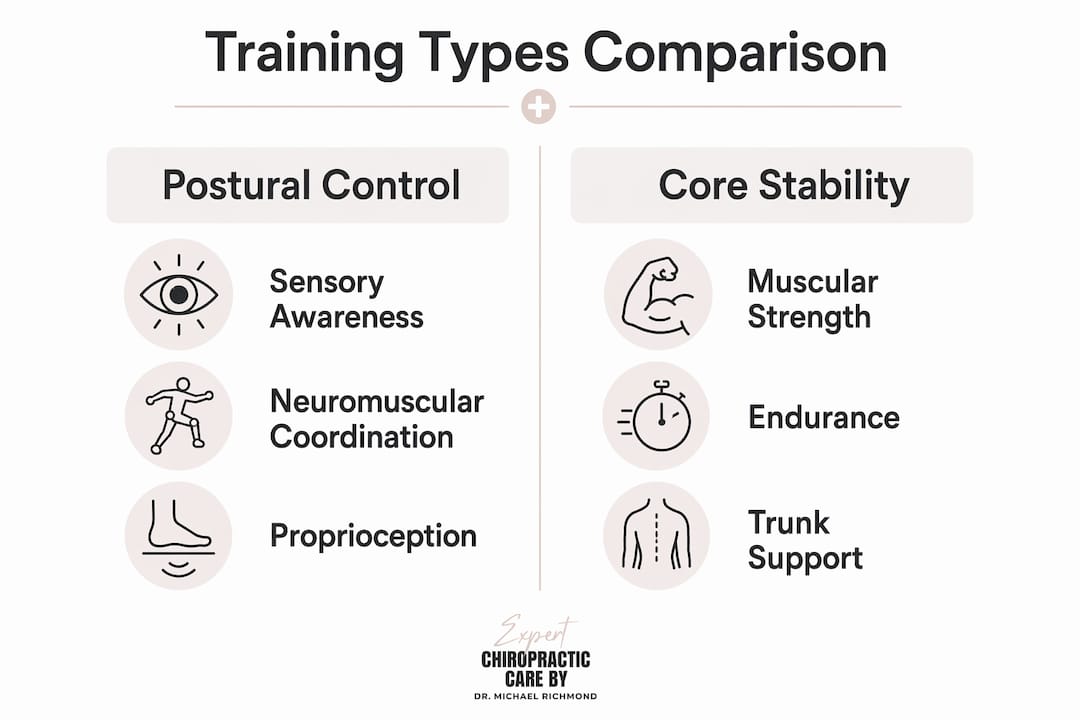
Core stability training (CST) focuses on building muscular strength and endurance in the trunk muscles that support the spine. It targets the deep stabilizers, including the transversus abdominis and multifidus, to create a strong internal brace for the lumbar spine.
A June 2026 assessor-blinded RCT with 51 participants found that both PCT and CST significantly reduce pain and disability in women with chronic non-specific low back pain. PCT produced superior improvements in lumbo-pelvic proprioception. That finding matters because proprioception loss is a major driver of re-injury. Patients who cannot accurately sense joint position tend to move in ways that reinjure healing tissue.
| Feature | Postural control training | Core stability training |
|---|---|---|
| Primary focus | Sensory awareness and balance | Muscular strength and endurance |
| Key benefit | Improved proprioception and joint position sense | Stronger spinal stabilizers |
| Best suited for | Patients with balance deficits or re-injury risk | Patients with trunk weakness or disc injuries |
| Pain reduction | Significant | Significant |
| Proprioception gains | Superior | Moderate |
| Typical tools | Balance boards, sensory feedback exercises | Planks, dead bugs, resistance bands |
Most rehabilitation programs benefit from combining both methods. PCT builds the sensory foundation; CST builds the muscular structure on top of it.
Pro Tip: Ask your clinician to assess your proprioception before starting any strengthening program. Strengthening before sensory awareness is established can reinforce faulty movement patterns and delay recovery.
Why posture is a dynamic balance, not a fixed position
The idea of one perfect posture is a myth. There is no universal perfect posture; postural health is a dynamic balance with significant individual variability, aimed at minimal energy expenditure and pain-free activity. That reframes the entire goal of postural therapy. You are not chasing a rigid shape. You are training your body to move efficiently and without pain across a range of positions.
This distinction matters enormously for recovery planning. Patients who fixate on holding a "correct" posture often create new tension by over-bracing or staying rigidly still. The body is designed to move, and maintaining a single posture for long periods is less effective than frequently changing positions, which helps avoid overloading specific tissues and supports recovery.
Posture also carries a neurological dimension that most people overlook. Posture reflects the nervous system's trauma response; true recovery requires addressing both nervous system regulation and skeletal realignment simultaneously. After a car accident or serious injury, the body often locks into protective postures driven by the nervous system's threat response, not by structural damage alone.
"Neurological trauma can cause ingrained postural patterns that require simultaneous nervous system and skeletal therapy for effective recovery." — Posturedojo Research
Practical implications of the dynamic posture model include:
- Shift positions every 30–45 minutes during desk work or rest.
- Treat postural correction as a movement practice, not a static hold.
- Work with a clinician who addresses both nervous system regulation and physical alignment.
- Recognize that frustration with "bad posture" often signals nervous system dysregulation, not laziness or weakness.
Individual variability in posture means that personalized approaches are essential. Aiming for pain-free, efficient movement rather than rigid posture perfection is the rehabilitation goal.
What practical steps improve posture and support recovery at home?
Correct posture for rehabilitation does not require expensive equipment or a gym. Most of the highest-impact changes happen in your daily environment and habits.
Ergonomic adjustments for home and work
Set up your workspace so your screen sits at eye level and your lower back receives support from a lumbar cushion or rolled towel. Your feet should rest flat on the floor, with hips and knees at roughly 90-degree angles. Maintaining ergonomic positions during daily activities prevents chronic strain that impedes recovery. That means your posture between appointments does real clinical work.
For sleep, a pillow that keeps your cervical spine neutral reduces overnight strain on healing neck and shoulder tissue. Side sleepers benefit from a pillow between the knees to keep the pelvis level and reduce lumbar rotation.
Movement breaks and posture checks
Set a timer every 30 minutes as a reminder to stand, walk briefly, and reset your alignment. A simple posture check takes ten seconds: stand against a wall with your heels, glutes, upper back, and head touching the surface. That position gives you a reference point for neutral spinal alignment.
- Stand or sit tall: Lengthen through the crown of your head without lifting your chin.
- Relax your shoulders: Draw them gently back and down, away from your ears.
- Engage your deep core: Lightly brace your lower abdominals without holding your breath.
- Check your feet: Keep them hip-width apart and distribute weight evenly across both feet.
- Breathe: Shallow, restricted breathing is a sign of postural tension. Full breaths signal a relaxed, aligned spine.
Prescribed exercises and professional support
A licensed physiotherapist or chiropractor can prescribe exercises specific to your injury pattern. General posture advice rarely addresses the compensatory habits that develop after trauma. Individualized programs account for muscle imbalances, joint restrictions, and nervous system patterns unique to your case.
If pain or discomfort related to posture persists beyond two weeks, consult a licensed professional to prevent chronic compensatory habits from becoming permanent. Early intervention consistently produces better outcomes than waiting for pain to resolve on its own.
Pro Tip: Keep a brief daily log of your pain levels and the positions that trigger or relieve symptoms. That data gives your clinician a clearer picture of your postural patterns and speeds up the diagnostic process.
Key takeaways
Correct body alignment is a clinical tool that directly determines how fast and how completely you recover from injury or chronic pain.
| Point | Details |
|---|---|
| Posture affects healing speed | Poor alignment can reduce recovery speed by up to 30% by restricting circulation and nutrient delivery. |
| PCT outperforms CST for proprioception | Postural control training produces superior lumbo-pelvic proprioception gains compared to core stability training alone. |
| Dynamic posture beats static perfection | Frequent position changes prevent tissue overload better than holding any single "correct" posture. |
| Nervous system involvement is real | Trauma-driven postural patterns require nervous system regulation alongside physical realignment for full recovery. |
| Seek help within two weeks | Persistent posture-related pain beyond two weeks warrants professional assessment to prevent chronic compensation patterns. |
What I've learned about posture that most recovery plans miss
Most patients I see come in focused on the injury site. They want the shoulder fixed, the disc addressed, the knee stabilized. What they rarely expect is a conversation about how they sit at their desk or hold their phone. That gap between injury focus and whole-body alignment is where recoveries stall.
Posture is not a soft add-on to rehabilitation. It is the environment in which every other treatment either works or gets undermined. A spinal adjustment holds longer when the patient returns to an aligned daily posture. A strengthening program produces lasting results when the nervous system is calm enough to learn new movement patterns. Without that foundation, you are building on shifting ground.
The other thing I see consistently: patients who understand the why behind posture correction stay consistent with it. When you know that your sitting position is directly affecting blood flow to your healing tissue, you take the lumbar cushion seriously. You set the timer. You do the wall check. Knowledge converts into behavior when it is specific and grounded in biology.
Patience matters here too. Postural habits built over years do not reverse in a week. But they do change, steadily, with the right guidance and daily attention. The patients who see the fastest overall recovery are rarely the ones doing the most aggressive treatment. They are the ones who treat every hour of their day as part of the healing process.
— Spark
Posture support and recovery resources at Sparkmed
Sparkmed's commitment to accessible, personalized care extends beyond the treatment room. Whether you are recovering from a car accident or managing chronic pain, understanding how alignment affects your healing is the first step toward a faster recovery.
Sparkmed's blog covers the full picture of post-injury recovery, from why posture affects health to building a personal wellness plan after injury. For patients who want to understand how spinal care fits into their recovery, the spinal adjustments evidence guide offers clear, research-backed answers. Sparkmed's accessibility statement reflects the clinic's dedication to serving every patient, regardless of background or ability. Book a $25 chiropractic adjustment in North Miami without needing insurance, and get a personalized plan that puts alignment at the center of your recovery.
FAQ
How does posture slow down recovery?
Poor posture compresses blood vessels and lymphatic pathways, reducing the flow of oxygen and nutrients to injured tissue. This can decrease recovery speed by up to 30% compared to recovery with proper alignment.
Is postural control training better than core stability training?
Both reduce pain and disability effectively, but PCT produces superior proprioception improvements, making it the stronger choice for patients at risk of re-injury. Most clinicians recommend combining both approaches.
How often should I change positions during recovery?
Changing positions frequently every 30–45 minutes prevents tissue overload better than holding any single posture, even a correct one. Set a timer as a practical reminder.
When should I see a professional about posture-related pain?
Consult a licensed clinician if posture-related pain or discomfort persists beyond two weeks. Early intervention prevents compensatory habits from becoming chronic.
Can trauma affect posture even after the physical injury heals?
Yes. Neurological trauma creates ingrained postural patterns that persist after physical healing. Effective recovery addresses both nervous system regulation and skeletal realignment together.