

A pinched nerve is defined as a condition where surrounding tissues, including bones, cartilage, muscles, or tendons, press too hard on a nerve and disrupt its normal signals. That disruption produces pain, numbness, tingling, or muscle weakness along the path of the affected nerve. Nerve compression, the clinical term for this condition, can occur anywhere in the body, though the neck, lower back, and wrist are the most common sites. Understanding pinched nerves matters because untreated compression can lead to permanent nerve damage. The good news is that most cases respond well to conservative care when caught early.
What causes pinched nerves?
Nerve compression rarely has a single cause. Most cases result from a combination of structural problems, lifestyle factors, and underlying health conditions that gradually or suddenly put pressure on a nerve root.
Structural causes are the most direct triggers:
- Herniated discs occur when the soft inner material of a spinal disc pushes through its outer casing and presses against a nearby nerve root.
- Bone spurs are bony growths that develop along the edges of vertebrae, often due to arthritis, and narrow the space where nerves travel.
- Repetitive motion injuries cause inflammation in the tissues surrounding a nerve. Carpal tunnel syndrome, for example, develops when repeated wrist movements inflame the tendons inside the carpal tunnel and compress the median nerve.
- Poor posture places uneven load on the spine. Slouching at a desk for hours shifts pressure onto spinal discs and nerve roots in ways the body was not built to sustain.
- Prolonged pressure on a specific body part, such as leaning on an elbow or crossing legs for extended periods, can temporarily compress a nerve.
Systemic factors also contribute to nerve root compression beyond purely structural problems. Obesity increases mechanical load on the spine. Inflammation from rheumatoid arthritis narrows joint spaces where nerves pass. Disc dehydration from aging reduces the cushioning between vertebrae, making nerve roots more vulnerable. Diabetes damages the protective myelin sheath around nerves, making them more susceptible to compression injuries. Pregnancy causes fluid retention and postural changes that frequently compress the sciatic nerve or the median nerve at the wrist.
Jobs that require repetitive movements, prolonged vibration, or awkward body positions, such as assembly line work, construction, or extended computer use, significantly raise the risk of developing nerve compression issues.

What are the symptoms of a pinched nerve?
Symptoms depend on which nerve is compressed and how severely. Symptoms vary based on the nerve root affected and can include sensory loss, motor deficits, or both. That variability is why two people with pinched nerves can describe completely different experiences.
Common symptoms across all locations include:
- Sharp, burning, or aching pain that may radiate outward from the compression site
- Numbness or reduced sensation in the skin area served by the affected nerve
- Tingling, often described as "pins and needles"
- Muscle weakness in the limb or area the nerve controls
- A feeling that a hand or foot has "fallen asleep"
Symptoms by nerve location:
- Cervical radiculopathy (pinched nerve in the neck): pain and tingling that travel down one arm, sometimes into the fingers. Weakness may affect grip strength.
- Lumbar radiculopathy (pinched nerve in the back): sharp pain that shoots down the leg, commonly called sciatica. The L4, L5, and S1 nerve roots are most often involved.
- Carpal tunnel syndrome (median nerve at the wrist): numbness and tingling in the thumb, index, and middle fingers, often worse at night.
- Cubital tunnel syndrome (ulnar nerve at the elbow): tingling in the ring and little fingers, with weakness in hand grip.
Warning signs that require immediate emergency care:
Sudden severe muscle weakness or loss of bladder or bowel control are medical emergencies. These symptoms indicate cauda equina syndrome, a condition where multiple nerve roots at the base of the spine are compressed simultaneously. Loss of bowel or bladder control requires urgent surgery to prevent permanent nerve damage. Do not wait for a scheduled appointment if these symptoms appear. Go to an emergency room immediately.
Symptoms that persist beyond a few days, worsen over time, or interfere with daily activities also warrant professional evaluation. Early diagnosis prevents a manageable problem from becoming a permanent one.
How are pinched nerves diagnosed?
Diagnosis starts with a physical examination. Your doctor will test reflexes, muscle strength, and sensation in specific areas of your body. Doctors use dermatome mapping during this exam to identify which spinal nerve level is causing symptoms. A dermatome is a specific area of skin supplied by a single nerve root. Matching your symptom pattern to a dermatome map narrows the diagnosis significantly before any imaging is ordered.
Imaging and electrodiagnostic tests used in diagnosis:
- X-rays show bone alignment and can reveal bone spurs or narrowed disc spaces, but they do not show soft tissue or nerves directly.
- MRI scans are the gold standard for visualizing herniated discs, nerve root compression, and soft tissue changes around the spine.
- CT scans provide detailed bone images and are useful when MRI is not available or when bony structures need closer examination.
- EMG (electromyography) measures the electrical activity of muscles and identifies whether a nerve is functioning normally.
- Nerve conduction studies measure the speed and strength of electrical signals traveling along a nerve. These electrodiagnostic tests localize nerve root damage and distinguish pinched nerves from other disorders such as peripheral neuropathy or spinal cord injuries.
Pro Tip: If your doctor orders only an X-ray and your symptoms include radiating pain or weakness, ask specifically about MRI or nerve conduction studies. X-rays miss the soft tissue causes that drive most pinched nerve cases.
What are the treatment options for pinched nerves?
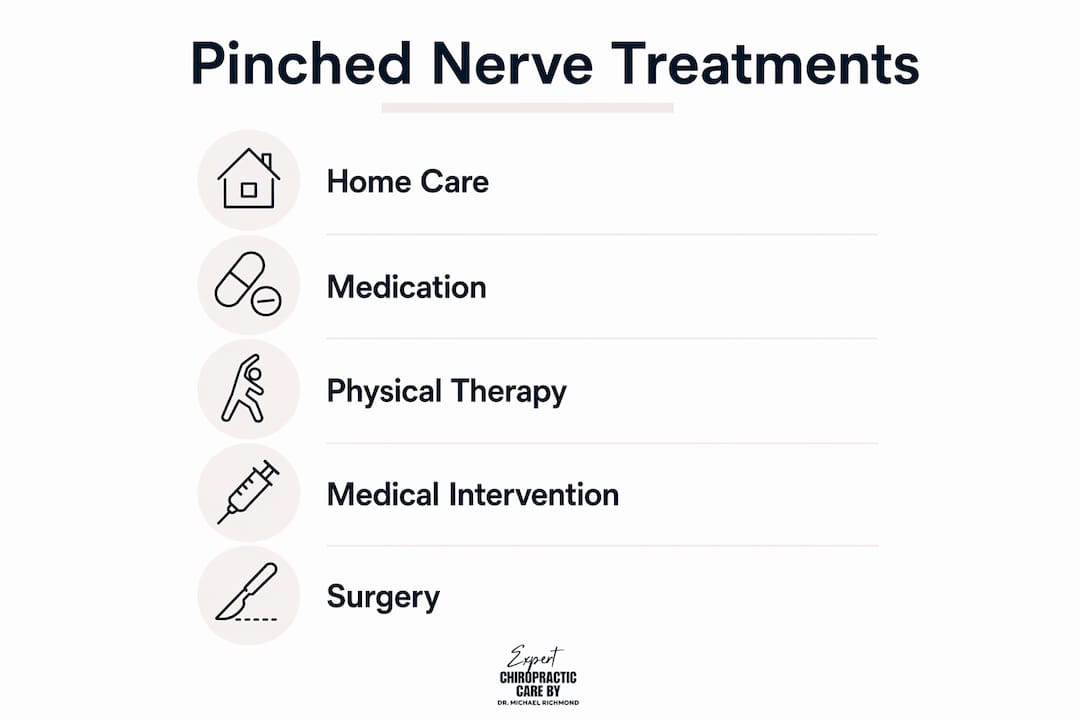
Treatment follows a clear progression from conservative care to medical intervention to surgery. Most pinched nerve cases resolve with conservative management such as rest and physical therapy, without any need for surgery. That finding should reassure anyone who fears the worst after a diagnosis.
| Treatment level | Approach | Best suited for |
|---|---|---|
| At-home care | Rest, posture correction, ice or heat therapy | Mild to moderate symptoms, early onset |
| Over-the-counter medication | NSAIDs like ibuprofen or naproxen | Inflammation-driven pain needing fast relief |
| Physical therapy | Stretching, strengthening, posture retraining | Ongoing or recurring compression issues |
| Prescription medication | Oral corticosteroids, nerve pain medications | Moderate to severe pain not responding to OTC drugs |
| Injections | Epidural steroid injections | Localized inflammation around a specific nerve root |
| Surgery | Discectomy, laminectomy, or carpal tunnel release | Severe neurological deficits, failed conservative care |
NSAIDs such as ibuprofen and naproxen are the first-line treatment for reducing inflammation and relieving pinched nerve pain. They work by reducing the swelling that presses on the nerve. Physical therapy builds on medication by correcting the movement patterns and postural habits that created the compression in the first place. A good therapist will combine targeted stretching with strengthening exercises for the muscles that support the spine or the affected joint.
Surgery becomes necessary when symptoms include progressive muscle weakness, loss of sensation, or emergencies like cauda equina syndrome. Common surgical procedures include discectomy, which removes the portion of a herniated disc pressing on a nerve, and laminectomy, which removes part of a vertebra to widen the spinal canal. Recovery from these procedures typically involves physical therapy and a gradual return to activity over several weeks.
Pro Tip: Rest alone may be insufficient if a herniated disc or other structural cause is not addressed through guided therapy. Pair rest with a structured physical therapy program for better outcomes.
You can find a detailed breakdown of non-surgical approaches in this guide to spinal therapies for back pain, which covers first-line options for nerve-related pain.
How can you manage and prevent pinched nerve pain?
Prevention focuses on reducing the mechanical and lifestyle factors that put repeated stress on nerves. Most of these changes are straightforward and do not require medical supervision to start.
- Adjust your workstation. Your monitor should sit at eye level. Your keyboard should allow your wrists to stay flat. Your chair should support the natural curve of your lower back.
- Take movement breaks. Sitting or standing in one position for more than 30 minutes increases pressure on spinal discs. Set a timer and change position regularly.
- Strengthen your core. The muscles of the abdomen and lower back stabilize the spine and reduce the load on individual discs and nerve roots. Exercises like planks, bridges, and bird dogs build this support without stressing the spine.
- Maintain a healthy weight. Excess body weight increases compressive forces on the lumbar spine and raises the risk of disc degeneration.
- Sleep with proper support. A medium-firm mattress and a pillow that keeps your neck aligned with your spine reduce overnight nerve compression.
- Watch for warning signs. Worsening pain, new weakness, or spreading numbness signal that a nerve compression issue is progressing and needs medical attention.
Ongoing chiropractic treatment plays a real role in long-term management. Regular spinal adjustments help maintain proper alignment and reduce the mechanical stress that leads to recurring compression. Patients who combine chiropractic care with targeted exercise typically see better long-term results than those who rely on medication alone.
Recognizing orthopedic warning signs early is one of the most effective ways to prevent a minor nerve issue from becoming a serious one.
Key takeaways
Nerve compression is a treatable condition, and most patients recover fully with conservative care when symptoms are recognized early and addressed consistently.
| Point | Details |
|---|---|
| Definition matters | A pinched nerve results from surrounding tissues pressing on a nerve, disrupting its signals. |
| Symptoms vary by location | Cervical, lumbar, and wrist compressions each produce distinct pain patterns and sensory changes. |
| Emergency signs exist | Loss of bladder or bowel control signals cauda equina syndrome and requires immediate surgery. |
| Conservative care works first | Most cases resolve with rest, NSAIDs, and physical therapy before surgery is ever needed. |
| Prevention is structural | Ergonomic adjustments, core strengthening, and weight management reduce recurrence risk significantly. |
What I've learned from seeing patients ignore early nerve symptoms
The most common mistake I see is waiting. A patient feels tingling in one hand for a few weeks, assumes it will pass, and does nothing. By the time they come in, the numbness has spread and muscle weakness has started. That progression did not have to happen.
The second mistake is assuming that all nerve pain is the same. It is not. Symptoms differ based on the nerve root involved and can range from electric-shock sensations to gradual sensory loss. A sharp pain shooting down the leg is a completely different clinical picture from numbness in the fingertips at night. Treating them the same way wastes time and delays real relief.
What actually works is combining early conservative care with a clear diagnosis. Many patients overreact to early tingling and assume they need surgery immediately. They do not. But they do need a proper evaluation to rule out structural causes that rest alone will not fix. The patients who recover fastest are the ones who get a diagnosis, commit to physical therapy, and make the lifestyle changes that reduce pressure on the nerve long term.
The uncomfortable truth is that nerve compression is often a lifestyle problem wearing a medical costume. Poor posture, sedentary habits, and excess weight create the conditions for compression to develop. Addressing those factors is not optional if you want lasting relief. Medication manages symptoms. Structural change prevents recurrence.
— Spark
Sparkmed's resources for nerve pain recovery
Dealing with nerve pain after an accident or from a chronic condition is frustrating, and knowing where to turn makes a real difference.

Sparkmed specializes in chiropractic care and recovery support in North Miami, with experience treating patients whose nerve compression stems from car accidents, repetitive strain, and postural issues. The clinic offers spinal adjustments, wellness plans, and guided recovery programs, including a $25 chiropractic adjustment that does not require insurance. Whether you need an initial evaluation or ongoing care, Sparkmed's team can help you understand what is driving your symptoms and build a plan that addresses the root cause. Visit Sparkmed's accessibility page to learn about available services and how to get started. You can also explore additional non-invasive therapy options to understand what conservative care can realistically achieve before considering more intensive treatment.
FAQ
What is a pinched nerve?
A pinched nerve occurs when surrounding tissues press too hard on a nerve, disrupting its signals and causing pain, numbness, tingling, or weakness. The clinical term is nerve compression or radiculopathy.
Where do pinched nerves most commonly occur?
Pinched nerves most often occur in the neck (cervical spine), lower back (lumbar spine), and wrist (carpal tunnel). Each location produces distinct symptoms based on which nerve root is affected.
How do I relieve a pinched nerve at home?
Rest, posture correction, and NSAIDs like ibuprofen are the first steps for relieving pinched nerve pain. Applying ice for the first 48 hours, then switching to heat, can also reduce inflammation and ease discomfort.
When should I see a doctor for a pinched nerve?
See a doctor if symptoms persist beyond a few days, worsen over time, or include muscle weakness. Go to an emergency room immediately if you experience loss of bladder or bowel control, as this signals cauda equina syndrome.
Can a pinched nerve heal without surgery?
Most pinched nerve cases resolve with conservative care including rest, physical therapy, and anti-inflammatory medication. Surgery is reserved for cases with severe neurological deficits or symptoms that do not improve after several weeks of conservative treatment.