
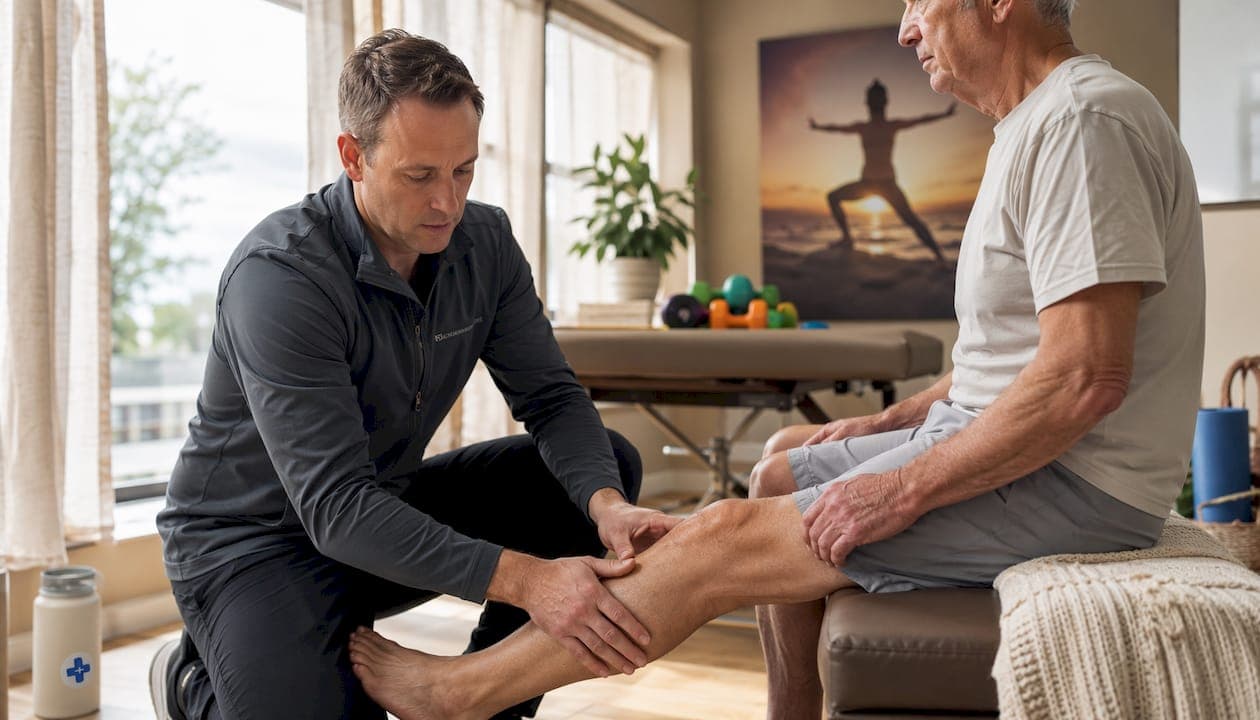
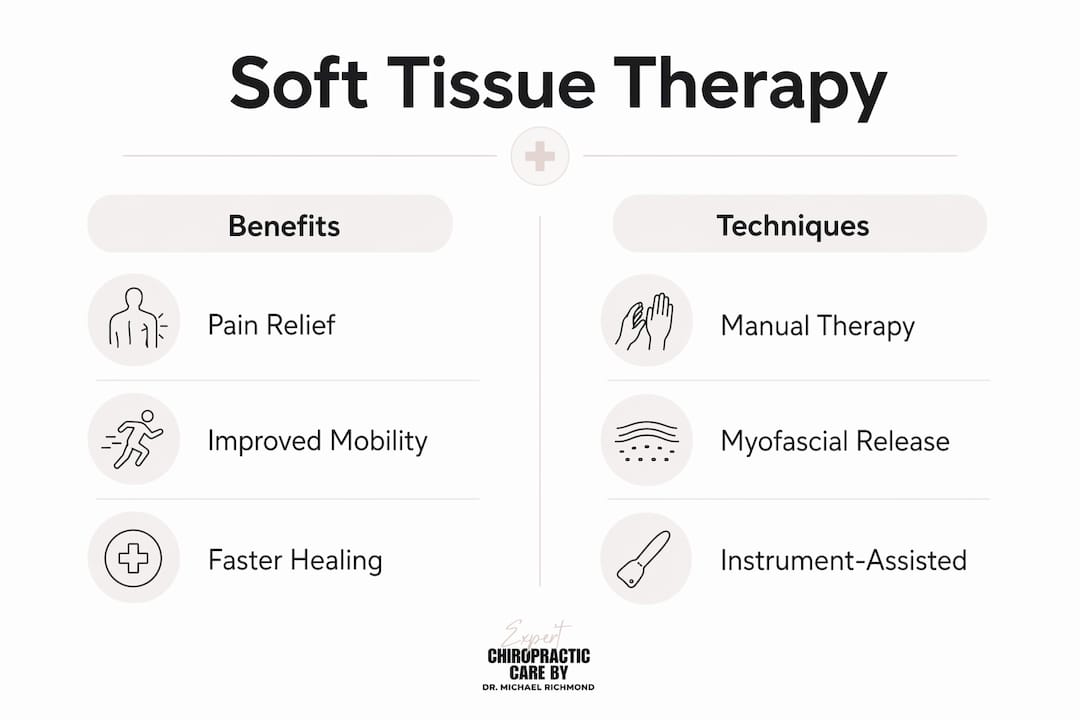
Soft tissue therapy is a targeted, clinical manual treatment that evaluates and treats muscles, fascia, tendons, and ligaments to reduce pain and restore movement. It is not a spa service. It is a structured, assessment-driven approach used by physical therapists, licensed massage therapists with advanced training, and chiropractors to address specific musculoskeletal problems.
When it's most useful:
- Acute muscle strains and ligament sprains
- Chronic myofascial pain and trigger points
- Movement restrictions from scar tissue or adhesions
- Pre- and post-surgical rehabilitation
- Sports injuries and repetitive-use conditions
Table of Contents
- What is soft tissue therapy, exactly?
- Which tissues and problems does it actually treat?
- What techniques do clinicians use?
- How does soft tissue therapy differ from a regular massage?
- What conditions does it help, and what can you realistically expect?
- What happens during a typical session?
- When should you avoid soft tissue therapy?
- What does the research actually say?
- How do you make the results last?
- How do you find a qualified practitioner?
- Key Takeaways
- Realistic expectations: what clinicians actually see
- Useful sources and further reading
What is soft tissue therapy, exactly?
The term "soft tissue" covers everything in your body that is not bone: muscle fibers, tendons, ligaments, fascia (the connective tissue wrapping around muscles and organs), peripheral nerves, and the lymphatic structures running through all of it. When any of these structures become injured, overloaded, or restricted, they can pull joints out of alignment, compress nerves, and create pain patterns that feel unrelated to the original injury.
Soft tissue therapy is the management, manipulation, and rehabilitation of these structures, used to address pain and movement restriction. The key word is management, not just touch. A trained clinician assesses which tissues are involved, why they are dysfunctional, and which technique will address the root cause rather than just the symptom.
Tissues targeted in soft tissue therapy:
- Skeletal muscle (individual fibers and whole muscle groups)
- Fascia (superficial, deep, and visceral layers)
- Tendons (the connective tissue anchoring muscle to bone)
- Ligaments (bone-to-bone stabilizers)
- Peripheral nerves (when neural tension contributes to symptoms)
- Lymphatic and vascular soft-tissue structures
"Soft tissue therapy is the management, manipulation and rehabilitation of soft tissues of the body including muscles, ligaments and tendons." — Association for Soft Tissue Therapists (SMA), as cited by Osteo & Physio
You will also see this work labeled as soft tissue mobilization (STM), myofascial release, or instrument-assisted soft tissue mobilization (IASTM). These are technique names within the broader field, not separate professions.
Which tissues and problems does it actually treat?
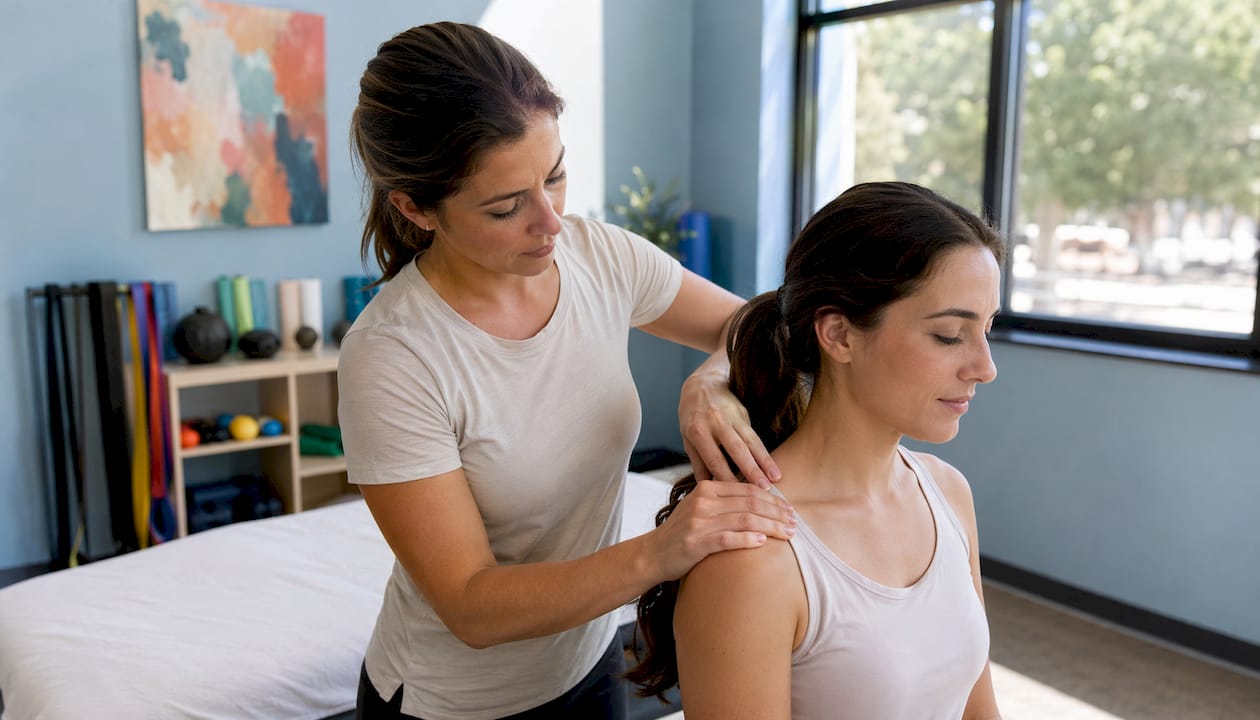
The most common targets are not always where the pain is. A clinician working on a patient with chronic neck pain might spend most of the session on the upper trapezius, the levator scapulae, and the fascial connections running into the thoracic spine, because that is where the restriction originates.
Specific structures and dysfunctions addressed:
- Muscle fiber adhesions from repeated micro-trauma or immobilization
- Fascial restrictions that limit joint range of motion
- Tendon thickening and disorganized collagen from tendinopathy
- Ligament laxity or scar tissue from sprains
- Myofascial trigger points (hyperirritable nodules that refer pain to distant sites)
- Post-surgical adhesions that form as scar tissue matures
Common presentations that respond well include tendonitis, hamstring strains, frozen shoulder symptoms, plantar fasciitis, and post-operative knee stiffness. The role of posture in recovery often intersects here too: poor postural habits load the same fascial chains that soft tissue therapy targets, so addressing both together produces faster results.
Pro Tip: If you have hamstring tightness that does not respond to stretching, the restriction may be fascial rather than muscular. A clinician can distinguish between a tight muscle belly and a fascial adhesion in the first assessment, which changes the technique used entirely.
What techniques do clinicians use?
Soft tissue techniques span a wide range of forces and applications, from gentle sustained pressure to aggressive cross-fiber work, and each affects the neural and vascular elements in the surrounding tissue, not just the target structure itself.
The main techniques:
- Soft tissue mobilization (STM): Hands-on pressure and movement applied to specific tissue layers. Used to evaluate and treat dysfunctions and integrate with joint mobilization and neuromuscular reeducation. Best for general muscle tension and early-stage adhesion work.
- Myofascial release: Sustained, low-load pressure held until the fascia releases. Chosen when restrictions are diffuse and spread across multiple body regions rather than localized.
- Trigger-point therapy: Direct, sustained compression on a hyperirritable nodule to reduce referral pain and restore normal muscle length. Common in chronic neck, shoulder, and low-back presentations.
- Cross-fiber friction: Transverse pressure applied perpendicular to the tissue fiber direction. Used specifically on tendons and ligaments to break down disorganized scar tissue and stimulate collagen remodeling.
- Deep tissue techniques: Slow, firm strokes targeting deeper muscle layers. Chosen when superficial work has not resolved the restriction.
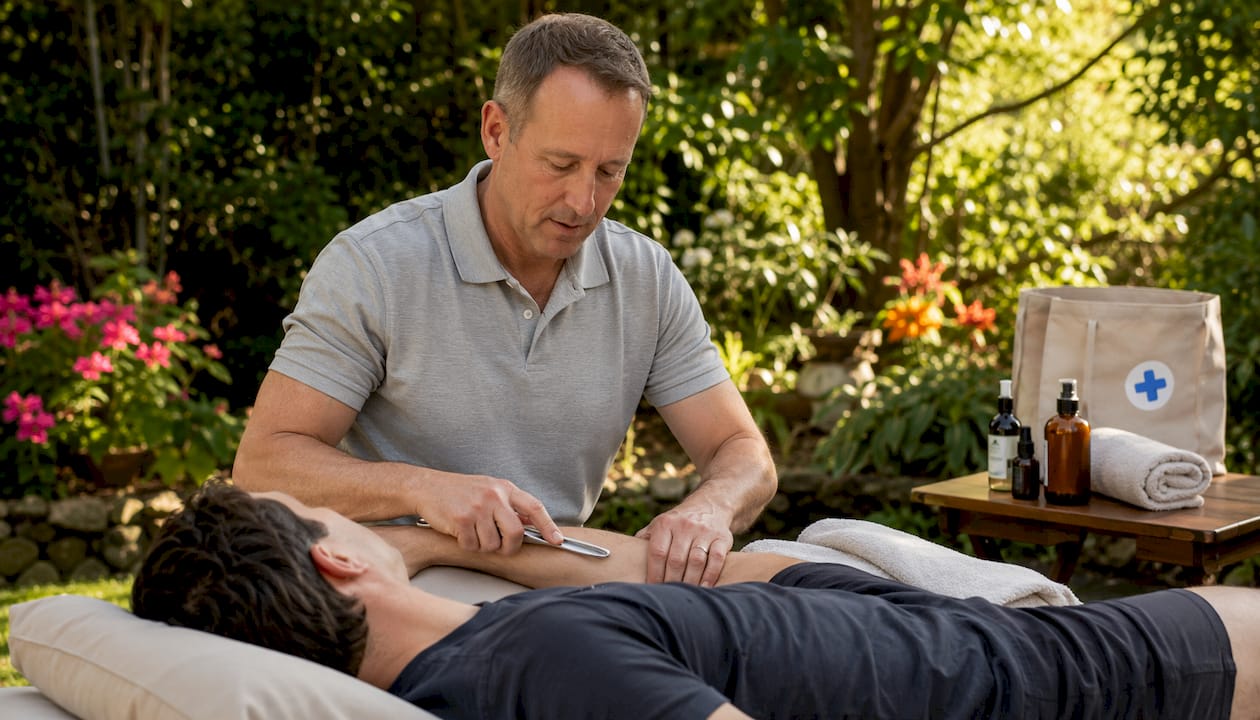
- Instrument-assisted soft tissue mobilization (IASTM): Metal or plastic tools (Graston technique is one branded version) used to detect and treat fascial restrictions. IASTM intentionally provokes a controlled inflammatory response to remodel dense scar tissue, which can cause temporary soreness or minor bruising. Clinicians should warn patients before the first session.
- Neural mobilization: Gentle movement of peripheral nerves through their surrounding tissue. Used when nerve tension contributes to radiating pain or numbness.
When each technique is typically chosen:
- Acute muscle tension or early-stage strain: STM or myofascial release
- Chronic tendinopathy or ligament scarring: Cross-fiber friction or IASTM
- Trigger-point referral patterns: Trigger-point therapy
- Neural symptoms (tingling, radiating pain): Neural mobilization
- Post-surgical adhesions: IASTM combined with STM
How does soft tissue therapy differ from a regular massage?
This is the question most people get wrong. The difference is not about pressure or pain level. It is about purpose, assessment, and what happens after the hands-on work ends.
| Feature | Soft Tissue Therapy | Relaxation/Spa Massage |
|---|---|---|
| Primary goal | Restore function, reduce pain, rehabilitate tissue | Relaxation, stress relief, general wellness |
| Clinical assessment | Range-of-motion testing, biomechanical exam, history intake | Brief general intake form |
| Treatment planning | Specific techniques matched to diagnosis | General full-body or area-based routine |
| Provider training | Licensed PT, LMT with advanced manual therapy, osteopath, or chiropractor | Licensed massage therapist (state-level LMT) |
| Integration | Paired with exercise, joint mobilization, and rehab | Standalone session |
| Expected outcomes | Measurable improvement in function and pain | Temporary relaxation and tension relief |
Soft tissue therapy is a clinical, assessment-based approach distinct from general massage and integrated into rehabilitation plans. A physical therapist performing STM will reassess your range of motion before and after each session and adjust the plan based on what changes. A spa massage therapist will not.
Pro Tip: Choose soft tissue therapy over a relaxation massage when your pain has a mechanical cause (a specific movement makes it worse), when it has lasted more than two weeks, or when a previous injury is involved. Relaxation massage is fine for general tension; it will not resolve a tendon adhesion or a fascial restriction.
What conditions does it help, and what can you realistically expect?
Conditions that commonly respond well:
- Muscle strains (acute and chronic)
- Tendinopathies (Achilles, rotator cuff, patellar)
- Bursitis
- Chronic myofascial pain syndrome
- Post-operative adhesions (knee, shoulder, hip)
- Neck and back pain with movement restriction
- Sports injuries and overuse syndromes
- Plantar fasciitis
The benefits of soft tissue therapy are well-documented for orthopedic populations. A systematic review published in PMC found that soft tissue therapy produced significant improvements in muscle activity, flexibility, and range of motion in patients with knee joint dysfunctions, and reduced pain while improving physical function and quality of life.
Beyond the mechanical effects, manual soft tissue work influences the nervous system, stimulating parasympathetic activity, reducing cortisol, and encouraging endorphin release. That is why patients often report better sleep and reduced anxiety alongside the physical improvements.
| Condition | Expected Benefit |
|---|---|
| Muscle strain | Reduced pain, faster return to activity |
| Tendinopathy | Improved tendon organization, less pain with load |
| Post-surgical adhesions | Greater range of motion, reduced stiffness |
| Chronic myofascial pain | Trigger-point deactivation, improved movement |
| Neck/back pain | Reduced pain, improved mobility |
Realistic expectations matter. Soft tissue therapy is not a cure-all. Conditions with significant structural damage (full tendon tears, advanced arthritis) require medical management alongside or instead of manual therapy. For non-invasive pain recovery, it is one of the most evidence-supported options available without surgery.
What happens during a typical session?
Most sessions follow a consistent structure, though the specifics vary by provider and condition.
Typical appointment flow:
- Intake and history: The clinician asks about the onset, location, and behavior of your symptoms, previous injuries, medications, and relevant medical history.
- Biomechanical assessment: Range-of-motion testing, postural analysis, palpation of target tissues, and sometimes functional movement screens.
- Targeted manual work: The clinician applies the chosen technique(s) to the identified structures, reassessing between techniques.
- Movement homework: You leave with specific exercises or movement drills to reinforce what was done in the session.
Session length and frequency:
- Typical session length varies depending on the focus and complexity of the condition, with longer durations for multi-region presentations.
- Acute conditions often require multiple sessions per week over a few weeks.
- Chronic conditions may require several sessions spread over multiple weeks before assessing progress.
- Maintenance sessions are typically scheduled periodically once the primary problem is resolved, based on individual need.
Cost varies significantly by region, provider type, and whether the session is billed as physical therapy or massage therapy. Many physical therapy sessions are covered by health insurance when medically indicated; standalone soft tissue therapy sessions from an LMT typically are not. Always confirm coverage with your insurer before booking.
When should you avoid soft tissue therapy?
Not every situation calls for hands-on work. Knowing the contraindications protects you.
Absolute contraindications (do not proceed without medical clearance):
- Open wounds, skin infections, or active dermatological conditions at the treatment site
- Acute infection or fever
- Uncontrolled bleeding disorders or active anticoagulant therapy without physician sign-off
- Deep vein thrombosis (DVT) or suspected vascular conditions
- Recent fractures without clearance from the treating physician
- Active malignancy in or near the treatment area
Relative contraindications (proceed with caution and modified technique):
- Osteoporosis (especially in older adults)
- Pregnancy (certain techniques and positions require modification)
- Hypersensitivity or allergy to massage media (oils, lotions)
- Acute inflammatory flare-ups (rheumatoid arthritis, gout)
Always tell your provider about blood thinners, recent surgeries, implanted devices, or any condition your physician is currently managing. A competent clinician will ask, but volunteering the information before the session starts prevents errors.
Common short-term side effects include temporary muscle soreness after treatment and minor bruising at IASTM sites, which usually resolve within a few days. If pain worsens significantly or you develop swelling, numbness, or skin changes after a session, contact your provider.
What does the research actually say?
The evidence base for soft tissue therapy is growing but uneven. Here is an honest summary.
Where evidence is strongest:
- Knee joint rehabilitation: A systematic review in PMC confirmed significant improvements in muscle activity, flexibility, range of motion, and pain reduction in orthopedic patients using STT
- Myofascial pain and trigger-point therapy: Multiple trials support short-term pain reduction and improved pressure-pain thresholds
- IASTM for tendinopathy: Clinical studies show improved tendon remodeling and reduced pain with load
Where evidence is limited:
- Many studies use small sample sizes and heterogeneous populations, making direct comparisons difficult
- Blinding is nearly impossible in manual therapy research, introducing placebo effects that are hard to separate from treatment effects
- Long-term follow-up data (beyond 6 months) is sparse for most conditions
The mechanistic picture is clearer. Manual therapy affects the nervous system directly, not just the tissue being worked on, which explains why pain relief often exceeds what local tissue changes alone would predict.
Recommended sources for deeper reading:
- PubMed and PMC for peer-reviewed systematic reviews
- The American Physical Therapy Association (APTA) clinical practice guidelines
- Healthline's patient-facing explainer on soft-tissue mobilization
- Institute of Physical Art practitioner resources
How do you make the results last?
Durable outcomes depend on pairing manual therapy with guided movement, strengthening, and neuromuscular retraining. Manual work alone creates a window of opportunity; what you do in that window determines whether the improvement holds.
What your exercise program will likely include:
- Targeted stretching: Lengthening the specific structures treated in the session
- Strengthening exercises: Loading the tissue progressively to rebuild tensile strength
- Movement pattern drills: Retraining the motor patterns that contributed to the dysfunction
- Neuromuscular reeducation: Exercises that retrain proprioception and coordination around the affected joint
- Postural correction: Addressing the biomechanical habits that created the problem in the first place
The reason passive care alone gives temporary relief is straightforward: if the movement patterns and loading habits that created the dysfunction do not change, the tissue will return to the same dysfunctional state. A personal wellness plan that integrates manual therapy with daily movement practice is what separates short-term relief from lasting recovery.
Pro Tip: You do not need an hour a day. Five to ten minutes of the prescribed exercises done consistently, every day, produces better outcomes than a 45-minute session done twice a week. Set a phone reminder for the same time each day and treat it like a medication dose.
How do you find a qualified practitioner?
Credentials to look for:
- Licensed Physical Therapist (PT or DPT) with manual therapy training or a Certified Manual Physical Therapist (CMPT) designation
- Licensed Massage Therapist (LMT) with documented advanced training in clinical or orthopedic massage
- Doctor of Osteopathic Medicine (DO) or chiropractor (DC) with manual therapy credentials and a rehabilitation focus
Questions to ask when booking:
- Will you perform a biomechanical assessment before treatment?
- How many sessions do you typically recommend for my condition?
- Will I receive a home exercise program?
- Do you coordinate with my primary care physician or specialist?
- What contraindications do you screen for?
Red flags that should make you look elsewhere:
- No assessment before hands-on work begins
- A guarantee of results in a single session
- Reluctance to communicate with your medical team
- No discussion of home exercises or self-care
- Pressure to purchase large session packages upfront
Manual physical therapy delivered by a qualified clinician follows a structured clinical process. If the provider skips the assessment and goes straight to treatment, that is a meaningful warning sign.
Key Takeaways
Soft tissue therapy is a clinical, assessment-led manual treatment that targets muscles, fascia, tendons, and ligaments to reduce pain and restore function, and its results depend heavily on pairing hands-on work with an active exercise program.
| Point | Details |
|---|---|
| Clinical definition | Soft tissue therapy targets muscles, fascia, tendons, and ligaments through structured, assessment-led manual techniques. |
| Not the same as massage | Soft tissue therapy uses biomechanical assessment and rehabilitation goals; spa massage focuses on relaxation without clinical evaluation. |
| Evidence is solid for pain and mobility | Systematic reviews confirm improvements in pain, range of motion, and physical function, especially for orthopedic conditions. |
| Active rehab is non-optional | Manual therapy creates a window; home exercises and movement retraining determine whether results last. |
| Choose a credentialed provider | Look for a licensed PT, DO, DC, or clinically trained LMT who performs an assessment before any hands-on work. |
Sparkmed publishes additional resources on musculoskeletal recovery for patients navigating injury rehab and pain management.
Realistic expectations: what clinicians actually see
The most common mistake patients make is expecting one or two sessions to fix a problem that took months or years to develop. Chronic myofascial pain, long-standing tendinopathy, and post-surgical adhesions all require a graduated approach. The tissue needs repeated stimulus to remodel, and the nervous system needs time to update its pain maps.
What actually works is a combination of skilled manual therapy, progressive loading, and patient consistency. The manual work reduces the barrier to movement; the exercise rebuilds the tissue's capacity to handle load. Neither works as well without the other.
Patients who do best are the ones who treat their home exercise program with the same seriousness as the clinic sessions. A patient education approach that explains the "why" behind each exercise dramatically improves adherence, which is why a good clinician spends time teaching, not just treating.
The other thing worth saying plainly: soft tissue therapy is not always the right first step. If you have not had imaging to rule out a structural injury, or if your symptoms include neurological signs (weakness, loss of sensation, bowel or bladder changes), see a physician before booking a manual therapy session.
This article is general information, not medical advice. Confirm your specific situation with a qualified healthcare provider before starting any treatment.
Useful sources and further reading
For patients:
- Healthline: What Is Soft-Tissue Mobilization Therapy? — clear patient-facing explanation of STM and what to expect
- Osteo & Physio: What Is Soft Tissue Therapy? — accessible overview including the SMA definition and tissue systems affected
- PhysioDirect: How Soft Tissue Therapy Can Benefit Everyone — covers nervous-system effects and broader systemic benefits
- Nowak Orthopedic Associates: Stretch Therapy — explains stretch-based soft tissue approaches and adjunctive strategies
For clinical depth:
- PMC Systematic Review: Effectiveness of STT in Knee Joint Conditions — peer-reviewed evidence summary covering pain, mobility, and functional outcomes
- Institute of Physical Art: Soft Tissue Mobilization (Gregory Johnson, PDF) — practitioner-level resource on STM assessment and integration with neuromuscular reeducation
- O'Brien Physical Therapy: Understanding Soft Tissue Mobilization Techniques — practical breakdown of IASTM, expected side effects, and clinical rationale
- APTA Clinical Practice Guidelines — professional association guidance on manual therapy standards and evidence